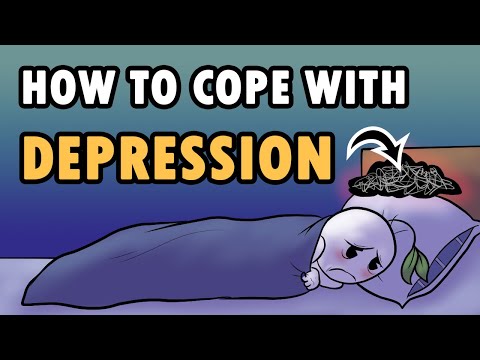
You know, dealing with depression is like carrying around a heavy backpack filled with bricks. It just weighs you down and makes everything feel harder.
Some days, it’s a struggle to get out of bed. Other days, it seems like the clouds won’t part. You’re not alone in this fight, though. Seriously.
Finding peace isn’t some magical trick or quick fix. It’s more like piecing together a puzzle—slow and steady.
We can talk about some real strategies that actually help you cope and start feeling better. Because, let’s face it: everyone deserves a little sunshine in their life, right?
Effective Strategies to Overcome Depression and Stop Overthinking
Sure! Let’s talk about tackling depression and that pesky habit of overthinking. It can be tough, but there are definitely some strategies that could help you find a bit more peace.
First things first: Awareness. You’ve got to recognize when you’re slipping into that depressive state or overthinking. Sometimes, just catching yourself in those spirals can be a game changer. It’s like noticing the clouds rolling in before the storm hits.
Next up: Routine. Establishing a daily routine gives your life some structure. This doesn’t have to be anything fancy. Wake up, have breakfast, maybe take a walk—simple things that keep your mind occupied and give your day some shape. For instance, let’s say you start every morning with a cup of coffee and a few minutes of stretching. This little ritual can remind you to focus on the present instead of letting those thoughts race ahead.
Exercise is also key. I know it sounds cliché, but moving your body really does help lift your mood. Even if it’s just a ten-minute walk around your block or dancing to your favorite song in the living room, getting those endorphins flowing makes a difference! Seriously, think about how good you feel after even short bursts of activity—it’s like giving your brain a hug.
Mindfulness and meditation are super helpful too. This technique encourages being present in the moment rather than dwelling on what happened yesterday or worrying about tomorrow. You can start small with apps or online videos that guide you through breathing exercises or meditations. Picture this: You’re sitting quietly for just five minutes, focusing on your breath instead of the whirlwind of thoughts in your head.
Journaling is another great outlet. Writing down what you’re feeling—or just free-flowing whatever comes to mind—can be cathartic. It puts everything out there where you can see it instead of letting thoughts swirl around creating chaos inside. You might write about what’s bothering you today or even jot down things you’re grateful for; it’s all about clearing mental space.
Social support is crucial too. Talk to friends or family when you’re feeling low; don’t isolate yourself! Even sending a quick text can help ground you in connection with others. Remember that time you reached out to an old friend after ages? That little chat probably made both of you feel lighter!
Last but definitely not least: professional help if things feel overwhelming.
In essence, it all circles back to finding what works personally for YOU. Not every strategy will resonate at first glance but experimenting until something clicks? That’s part of the journey toward finding peace in this tricky dance with depression and overthinking! So keep trying different approaches until you’ve got yourself some solid tools in place!
Empowering Strategies for Managing Depression Independently: A Self-Help Guide
Understanding depression can be a heavy topic. It’s something that many people experience, and figuring out how to cope with it can feel like trying to find your way out of a maze. But you know what? There are some empowering strategies you can use to help yourself manage depression more effectively. Let’s break down some of those approaches.
First off, create a routine. Having a daily structure can give you a sense of normalcy and purpose. It doesn’t have to be anything fancy—just simple stuff like waking up at the same time, eating meals regularly, or setting aside time for hobbies. I remember talking to a friend who started writing in a journal every morning. At first, she thought it was silly, but soon enough she found it helped organize her thoughts and feelings.
Next up is physical activity. Seriously, moving your body—even just a little—can boost your mood significantly. Maybe try going for brisk walks or dancing around your room. Exercise releases endorphins, which are like natural mood lifters! I had another friend who started doing yoga in her living room. It felt goofy at first, but she gradually noticed how much lighter she felt afterwards.
Don’t underestimate the power of connection. When you’re feeling down, isolating yourself can be tempting. However, reaching out to friends or family—even just for a chat—can make all the difference. A phone call or text can remind you that you’re not alone in this journey.
Also important? Acknowledge your feelings. It’s totally okay to feel upset or overwhelmed sometimes; you’re human after all! Instead of pushing those emotions away, try sitting with them for a bit. Writing down what you’re feeling may also help clear the fog.
Meditation and mindfulness practices are also effective tools for managing depression. These techniques encourage you to focus on the present moment rather than worrying about the past or future. Some people swear by apps for guided meditation; others find peace in simply observing their breath for a few minutes each day.
Another key point: Nourish your body. What we eat can really impact our mood too! Opting for whole foods like fruits, veggies, and whole grains instead of junk food can provide better energy and improve overall well-being. Maybe toss together some colorful salads or blend up smoothies—your body will thank you!
Of course, when it comes to sleep hygiene—this is huge! Getting enough rest helps regulate those pesky mood swings associated with depression. Try setting up a sleep schedule where you go to bed and wake up at the same time daily; also limit screen time before bed if possible (those blue lights are sneaky!).
Use creative outlets as well! Diving into art, whether it’s painting, drawing or even doodling while on calls with friends can let out emotions that words sometimes can’t express.
Lastly but definitely not least: Seek professional support when needed. There’s no shame in reaching out for help from therapists or counselors—you don’t have to do this alone! Recovery isn’t always linear either; there might be ups and downs along the way.
So yeah, managing depression on your own is totally doable with these strategies—and remember it’s okay if some days feel tougher than others too! Just take one step at a time and give yourself grace throughout this process.
Practical Strategies for Managing Depression and Anxiety Independently
Managing depression and anxiety can feel overwhelming, but there are practical strategies you can use on your own to find some calm and gain control. Here are some effective ways to help you cope and create a sense of peace in your everyday life.
Establish a Routine
Routines can be super grounding, giving you structure when your mind feels all over the place. Try waking up, eating meals, and going to bed at the same time each day. It might sound boring, but having predictability can ease anxiety. If you start with the small stuff—like making your bed—a little accomplishment can boost your mood.
Practice Mindfulness
Mindfulness is all about being present in the moment. This could be as simple as taking a few deep breaths or focusing on what’s happening around you. You could try meditation or even just spend a few minutes noticing how your body feels. When you’re anxious, taking that pause helps slow everything down and makes things feel more manageable.
Physical Activity
This doesn’t mean you need to become a gym rat overnight! Just getting moving—even if it’s a brisk walk around the block—can lift your spirits. Exercise releases endorphins, those “feel-good” chemicals in your brain. So whether it’s dancing in your living room or stretching on the floor, find what feels good and stick with it.
Connect with Others
You don’t have to go through this alone. Reach out to friends or family members who make you feel supported—just hearing someone’s voice can brighten your day! Even texting someone about how you’re feeling can help lighten that burden.
Limit Social Media
I get it; scrolling through social media may seem like a good distraction, but it often adds pressure and comparison anxiety. Maybe take breaks from social media platforms now and then? Trust me; you’ll probably notice an improvement in how you’re feeling.
Journaling
Writing down what you’re thinking or feeling is like getting all that clutter out of your head and onto paper. You don’t have to be poetic about it—just let whatever comes to mind flow freely! This can also help identify thought patterns that might be dragging you down.
Healthy Eating
You know how they say “you are what you eat?” Well, there’s some truth there! Consuming nutrient-rich foods like fruits, vegetables, whole grains, lean proteins, and omega-3 fatty acids (think fish) can improve mood over time. Try swapping that sugary snack for something healthier—it could make a difference!
Sufficient Sleep
Getting enough sleep is crucial when battling depression or anxiety. If sleepless nights are plaguing you, try establishing relaxation techniques before bedtime: dimming the lights, avoiding screens for an hour or so before sleeping—and maybe even a warm bath could do wonders for drifting off.
Every small step counts when managing feelings of depression or anxiety independently. It may not happen overnight—sometimes it’s two steps forward and one step back—but keep trying different strategies until something clicks for you! After all, finding peace is often about experimenting with what works best for *your* unique situation.
You know, dealing with depression can feel like you’re stuck in a heavy fog. It wraps itself around you, making it tough to see the light. I remember a time when getting out of bed felt like lifting a mountain. The weight of everything just pulled me down. But over time, I learned some little things that helped me find my way back to peace.
First off, talking to someone really makes a difference. It’s surprising how just sharing our feelings—like the heavy sadness or the frustration—can lighten that load a bit. You don’t have to have all the answers or even know exactly what’s wrong; sometimes just saying it out loud helps make it real and manageable.
Then there’s movement. You might not be feeling like running a marathon (let’s be real, who does?), but even a little stretch or a short walk can help clear your mind. It’s kind of magical how getting your body moving helps shake off some of that darkness. I remember when I started taking evening walks—just around the block—but those moments under the evening sky gave me space to breathe and think.
And let’s not forget self-care! That can sound cliché, but finding small joys is key—like taking a hot bath, curling up with your favorite book, or indulging in your favorite snack without guilt. It’s about the little pleasures that remind you there are still good things in life.
Mindfulness also creeps in here. Taking time to just sit quietly for five minutes and focus on your breath can feel grounding, even when everything feels chaotic inside you. It’s like giving yourself permission to pause and just be present without judgment.
Lastly, don’t underestimate routine! Keeping some structure in your day—even if it’s super simple—can help build stability when things feel wobbly.
So yeah, finding peace amidst depression isn’t easy; it takes time and patience with yourself. But every little step counts and leads toward brighter days ahead—even if they seem far away right now!