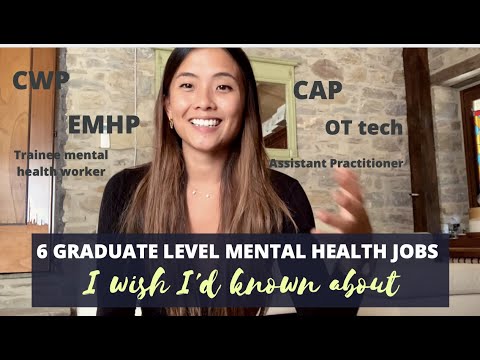
So, you know how mental health is getting way more attention these days? It’s like everyone is finally talking about it. Well, guess what? There’s a whole world of career opportunities just waiting for folks with a flair for psychology.
Imagine merging your passion for helping others with the business world. Sounds cool, right? Corporate careers in mental health and psychology roles are becoming super relevant. Companies are starting to realize that happy employees mean happier workplaces.
But here’s the thing: it’s not just about therapy or counseling. We’re talking about roles in human resources, employee wellness programs, and even marketing strategies that connect emotionally. There’s something out there for every kind of people person.
So, if you’ve ever thought about diving into this field but weren’t sure where to start, hang tight. We’re going to explore some awesome pathways together!
Exploring Corporate Wellness: Do Companies Really Hire Mental Health Counselors?
It’s become a pretty hot topic these days. Corporate wellness is on the rise, and companies are getting serious about mental health. But like, do they actually hire mental health counselors? The answer is a resounding yes. More and more companies are recognizing that a healthy workforce is a happy one.
So, what’s driving this change? Well, you know how stressful work can be, right? High-pressure environments can lead to burnout and other mental health issues. And that can seriously impact productivity and morale. So, organizations figure it makes sense to invest in their employees’ mental well-being.
Many businesses are partnering with mental health professionals to provide support directly within the workplace. They might offer counseling services where employees can talk through their issues confidentially—like an on-site therapist that’s available when you need them. Here are some ways companies approach this:
- Employee Assistance Programs (EAPs): These programs often include counseling services for employees and their families. They’re typically free and confidential.
- Workshops and Training: Some firms bring in experts to lead workshops on stress management, resilience building, or emotional intelligence.
- Mental Health Days: More companies are giving employees specific days off just for mental wellness—no questions asked!
- Promoting Open Dialogue: By creating a culture where discussing mental health isn’t taboo, organizations help remove stigma around seeking help.
For instance, imagine you’re working at a tech startup with demanding deadlines and long hours. Having access to an on-site counselor might help if you’re feeling overwhelmed or anxious. You could pop into their office during lunch breaks or after work to talk it out.
And it’s not just large corporations leading the way; even smaller businesses are embracing this trend. A local coffee shop might not have an in-house counselor but could partner with a nearby clinic for free sessions every month.
But it ain’t all rainbows and sunshine; some challenges exist too. Not every employee might feel comfortable using those services due to stigma or fear of judgment from colleagues. That’s why it’s crucial for companies to actively promote these resources as part of their overall culture.
Also, there’s the issue of finding qualified professionals who resonate with your team—it’s not like you can just pick anyone off the street! The right fit matters because people need someone they feel comfortable talking to about personal stuff.
To wrap things up, yeah, companies really **are** hiring mental health counselors—and it’s likely going to become even more common as we move forward. Investing in your workforce’s well-being isn’t just nice; it’s smart business practice too!
Exploring Corporate Careers in Mental Health and Psychology: Insights from Reddit Discussions
Corporate Careers in Mental Health and Psychology might sound a bit like a contradiction at first, right? You might think of therapy rooms and counseling, but there’s actually a whole world of opportunities in the corporate space that focus on mental health. These roles are super important because they help integrate psychological principles into business practices.
So, what exactly are these jobs? Well, if you look at Reddit discussions, you’ll see folks talking about various positions such as:
- Organizational Psychologists: They work to understand workplace behavior and how to improve employee satisfaction and productivity. Imagine being the person who helps a company cultivate a happier workforce!
- Employee Assistance Program (EAP) Specialists: These professionals provide support to employees facing personal issues that impact their work life. It might be anything from stress management to conflict resolution.
- Human Resources Professionals: Not just about hiring and firing—HR roles can focus on creating policies that promote mental health at work. Think wellness programs and mental health days!
- Corporate Trainers: You could design workshops or training modules focused on emotional intelligence or resilience. Helping employees learn these skills is crucial for a healthy work environment.
Now, let’s get into some real talk from people who’ve been there. A lot of discussions mention how networking is key when breaking into these corporate roles. It’s not just about having the right degree; connecting with people who already work in the field can be a game changer. For example, someone once shared how they landed an EAP role after chatting with an old classmate over coffee—just casual stuff!
Another thing you’ll find thrown around in those conversations is the importance of continuing education. Many companies want to see that you’re keeping your skills relevant, whether through certifications or additional degrees (like an MBA with a focus on organizational behavior). Having that extra knowledge can really set you apart.
And here’s something interesting: mental health isn’t just limited to clinical settings anymore! Companies are increasingly recognizing the value of psychological well-being for their bottom line. It’s not uncommon for large corporations to hire psychologists full-time because they know better employee wellness leads to better productivity—and who doesn’t want that?
A Reddit user once commented about how their company implemented mental health initiatives after noticing high turnover rates—and guess what? The changes led to higher job satisfaction scores! This shows that businesses are starting to catch on.
But it can be intense too; some users mention feeling overwhelmed by corporate culture or facing challenges when trying to introduce more humane approaches in rigid environments. There’s often a balancing act between business objectives and genuine care for employees’ mental health.
In terms of skills needed, good communication is absolutely vital—think empathy paired with professionalism. You’ll also need solid analytical skills if you’re diving into data-driven decision-making related to employee well-being.
So basically, if you’re thinking about corporate careers in mental health and psychology, there’s plenty out there waiting for you! Just remember it might take time—patience pays off! And connecting with others in forums or local groups can open doors you didn’t even know existed!
Top Corporate Careers in Mental Health and Psychology: Unlocking Opportunities for Growth
Alright, let’s talk about corporate careers in mental health and psychology. You might be surprised to discover just how many opportunities exist in this field. We’ve got roles that can impact employee wellbeing, boost productivity, and shape workplace culture. So here’s a quick overview of some solid career paths you might want to consider.
1. Organizational Psychologist
These professionals focus on how people behave in workplaces. They analyze work environments and design policies or strategies that help improve job satisfaction and productivity. Imagine being the person who helps create a happier office culture!
2. Employee Assistance Program (EAP) Counselor
EAP counselors provide support for employees facing personal problems that may affect their work life. They’re like the go-to folks when someone’s dealing with stress, anxiety, or family issues. You get to make a real difference in someone’s life here!
3. Human Resources Specialist
In this role, you’d work on recruiting, screening, and hiring employees while also focusing on staff development programs aimed at mental wellness—so it’s not just about finding talent but also nurturing it.
4. Training and Development Manager
If you care about helping others grow while navigating their mental health needs at work, this is your spot! You’d create training programs that promote emotional intelligence and resilience among employees.
5. Workplace Wellness Consultant
Consultants assess a company’s wellness initiatives and recommend ways to improve them. Think of it as bringing your psychology know-how into corporate policies to make people healthier mentally.
The reality check: Getting into these roles typically requires advanced degrees in psychology or related fields—like a master’s or even a PhD sometimes. But don’t worry! There are also certifications you can pursue which can help kickstart your career.
Getting experience is huge too! Internships or volunteer opportunities in mental health settings can really give you that practical edge when entering the workforce.
You see? The world of corporate careers in mental health isn’t just some boring desk job; it’s filled with chances to innovate and inspire change for the better! So if you’re considering jumping into this field, there are paths aplenty waiting for you out there!
You know, when we think about corporate careers in mental health and psychology, it’s a bit of a mixed bag. On one hand, you’ve got this growing awareness of mental health in the workplace, which is awesome. More companies are realizing how important it is to support their employees’ mental well-being. But on the other hand, it can feel kind of clinical and detached compared to traditional therapy settings.
I remember chatting with my friend Lisa, who went from working as a school psychologist to a role in human resources for a big corporation. She was super excited at first—thinking she could make real changes in people’s lives on a larger scale. But after a few months, she was feeling pretty drained. The focus shifted so much towards productivity and metrics that her role felt less about the people and more about the numbers. Sure, those things matter too, but they can’t replace genuine human connection.
In these corporate settings, you often find positions like employee assistance program (EAP) counselors or organizational psychologists. They’re there to help employees deal with personal issues or improve workplace culture. Pretty cool gig, right? But sometimes they’re stuck navigating red tape or dealing with company policies that might not always prioritize empathy or understanding.
And let’s not forget about burnout! It’s real out there for folks trying to balance being supportive while also fitting into corporate structures. Just think of all the pressure they face—the constant juggling act between helping individuals and meeting the company’s bottom line.
But don’t get me wrong; there are success stories too! Some organizations genuinely prioritize mental health initiatives and create spaces where employees can thrive emotionally as well as professionally. It’s all about finding that balance.
So yeah, corporate careers in mental health can be rewarding but also challenging. If someone’s considering this path, it might be worth thinking about what kind of environment they want to work in and how much they value that personal connection aspect of psychology. Finding ways to integrate compassion into those roles can lead to some truly fulfilling work!