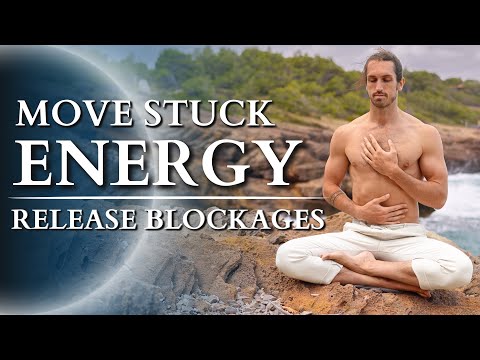
Hey there! You know how sometimes, when life gets super overwhelming, you just need a way to let off steam? Like, seriously, it’s not always about talking it out or journaling.
Ever thought about coughing? Sounds a bit weird, right? But hear me out. Coughing can actually help with mental wellness and emotional release. It’s kinda wild how something so simple can make a difference.
Picture this: you’re feeling all bottled up inside and then you let out a big cough. It’s oddly satisfying and kinda frees up some space in your head.
Let’s explore this quirky little technique together!
Top 10 Exercises to Boost Your Emotional Wellness and Resilience
Emotional wellness and resilience are so important, especially when life throws curveballs at you. You know that feeling when everything seems to pile up? Yeah, it’s tough. But taking care of your feelings can really help you bounce back. So, let’s check out some exercises that can give your emotional health a nice little boost.
1. Deep Breathing
Breathing deeply is a game changer. It helps calm your nervous system. Just take a slow breath in through your nose and then out through your mouth. Try doing this for a few minutes every day.
2. Coughing Exercises
Now, this might sound weird, but coughing exercises can actually release tension! Just like how a big cough can clear your throat, it can help clear out some emotional blockages too. Simple coughs while focusing on the emotion you’re feeling can be really freeing.
3. Journaling
Grab a notebook and write down what you’re feeling or what happened during the day. Seriously, just pour it all out—like you’re chatting with a friend who won’t judge you! This helps to put things into perspective.
4. Mindfulness Meditation
Sitting quietly and paying attention to the present moment sounds simple but it’s powerful! Focus on your breath or what’s happening around you without judgment. This practice reduces anxiety and increases emotional awareness.
5. Physical Exercise
You probably know that moving your body can lift your mood, but have you tried actually putting on some music and dancing? Or going for a brisk walk? It gets those endorphins flowing, which boosts happiness!
6. Gratitude Practice
Every night before bed, think of three things you’re thankful for that day—even if they’re small things like enjoying a good cup of coffee or seeing a friend smile! This shifts focus from what’s wrong to what’s good in life.
7. Socializing
Connection is key! Reach out to friends or family just to hang out or chat about nothing in particular—this strengthens bonds and makes us feel less alone in our struggles.
8. Creative Outlets
Engaging in creative activities like painting or playing music lets emotions flow freely—sometimes without words! It lets you express feelings in unique ways which is super therapeutic.
9. Nature Time
Spend time outside if you can—nature has an incredible calming effect on our minds! Whether it’s taking a walk in the park or just sitting under a tree, the fresh air does wonders for mental clarity.
10. Setting Boundaries
Learning to say “no” when needed can protect your mental energy and emotional space from feeling drained by others’ demands or negativity.
Incorporating these exercises into your routine doesn’t require huge changes; small moments each day matter too! It’s all about finding what works best for you so that when life gets hectic, you’re ready with tools to help manage those emotions better.
Unlocking Emotions: The Transformative Power of Breathwork for Mental Health
Breathwork has become a buzzword in the mental health community, and for good reason. So, what’s all the fuss about? Well, basically, it’s an approach that focuses on your breath to help you connect with your emotions and clear out some of that mental clutter. It’s like a reset button for your mind.
By engaging in different breathing exercises, you can tap into feelings that might be stuck or just hard to access. Ever feel like you’ve got a knot in your stomach? That’s tension and unexpressed emotions hanging out in your body. Breathwork can help release that pressure. It’s all about finding space to let those feelings flow, you know?
When we talk about **coughing exercises**, they might sound odd at first glance, but hang with me here. Coughing can be a way of expressing something that’s been held inside—a physical release of emotional baggage. Think of it as the body’s natural way of saying, «Hey! Something’s not right.» By incorporating some breathing techniques along with these coughing exercises, you’re combining physical and emotional release.
Here are some key points to consider:
You might wonder how this all comes together in real life. Picture this: you’re feeling overwhelmed after a long week—stress from work, relationships, just life piling up like dirty laundry. You sit down somewhere peaceful and start focusing on your breath—slowly inhaling through your nose and exhaling deeply through your mouth. Suddenly, you let out a few light coughs while stimulating those deep breaths. It might seem silly at first but really lean into it!
This combination can produce unexpected emotional responses like crying or laughter—both totally normal reactions! It’s like giving permission to express what’s been bottled up inside.
The science behind this is pretty interesting too; there’s research suggesting that different breathing patterns can stimulate parts of our brain linked to emotions and stress response. So when you practice breathwork—even with coughing—I mean seriously—it’s not just fluff; you’re making real changes within yourself.
And look: it’s not all serious business either! Breathwork can actually be fun! You might find joy in experimenting with different techniques and discovering what works best for you.
Remember though: if you’re considering incorporating breathwork or any new techniques into your self-care routine—especially if you’re dealing with significant mental health issues—checking in with a therapist or mental health professional is always a smart move. They can guide you based on your needs.
So there you have it—the transformative power of breathwork wraps around tapping into emotions through intentional breathing and even coughing exercises! It might feel weird at first but hey, anything worth doing often does, right?
Unlock Calm: Effective Breathing Exercises to Reduce Stress and Enhance Well-Being
Breathing is kind of magical when it comes to managing stress. You know, it’s one of those things we do all the time without even thinking about it. But when you bring awareness to your breathing, it can really change the game. With just a few deep breaths, you can feel more calm and collected. So, let’s talk about some effective breathing exercises that’ll help you chill out and boost your well-being.
One simple technique is diaphragmatic breathing. It sounds fancy, but it’s super easy. You just breathe deeply into your belly instead of shallowly into your chest. This helps slow down your heart rate and lowers blood pressure. Picture this: you’re sitting comfortably with one hand on your chest and the other on your belly. Take a deep breath in through your nose, letting your belly push against your hand while keeping the one on your chest still. Then exhale slowly through your mouth. Do this for a few minutes, and you’ll probably feel more relaxed.
Another cool method is 4-7-8 breathing. It works like this: inhale quietly through your nose for 4 seconds, hold that breath for 7 seconds, then exhale completely through your mouth for 8 seconds. It’s kind of like taking a mini vacation! By focusing on these patterns, you’re telling your body to chill out because you’re not in any danger—just breathing and resetting yourself.
You might also want to give box breathing a shot. This one’s especially favorite among folks in high-stress jobs like first responders or military personnel because it’s super grounding. Basically, you picture a box as you breathe: inhale for 4 seconds (go up one side), hold for 4 seconds (across the top), exhale for 4 seconds (down the other side), and hold again at the bottom for another 4 seconds (across again). Repeat this several times until you feel that tension start to melt away.
Now let’s chat about coughing exercises—their connection might not be obvious at first, but bear with me! Coughing isn’t always fun; it can be annoying or even painful sometimes, but focused coughing can actually help release pent-up emotions or stress. When you take a deep breath in and then let out a strong cough or two intentionally—it can feel pretty liberating! You’re using controlled breaths to trigger an emotional release so it’s not just physical; it’s mental too!
Finally, don’t underestimate the power of mindful breathing in nature or even just looking outside—taking those moments to breathe fresh air helps connect us back to our surroundings and calm our restless minds.
So remember: when life feels chaotic or overwhelming, take a moment to breathe deeply and consciously. You’ve got these techniques now; they’re like little tools in your back pocket ready for whenever stress shows up uninvited!
Coughing might not be the first thing that comes to mind when you think about mental wellness, right? I mean, we usually associate it with being sick or maybe allergies, but hear me out. There’s something oddly liberating about a good cough. It’s like your body’s way of saying, “Hey! Just clear some stuff out!”
I remember this one time when I was feeling overwhelmed. Life was just piling up like laundry I’d been meaning to tackle for weeks—stress from work, personal drama, even some lingering sadness that felt too heavy to carry around. So, I thought, «Why not try something out of the ordinary?» That’s where coughing exercises popped into my head. Seriously, they can be a form of emotional release.
It sounds simple: just cough a few times in a row. But the cool part? It’s this physical act that somehow triggers an emotional response. It might feel silly at first, but you start noticing how much tension leaves your body after a few hearty hacks. Like when you feel that little tickle in your throat and it just gives way to this big ol’ whoosh of air—and before you know it, you’re lighter.
So here’s what happens: as you’re coughing—yeah, it may look goofy—you’re actually helping your body process some pent-up emotions or stress. There’s something about that sound and motion; it’s cathartic! Maybe it reminds us to let go of things we’ve held onto for too long.
And guess what? You don’t need to be in some fancy wellness class or anything to do this. You can literally be sitting on your couch while binge-watching whatever show is trending and just cough away! No judgment here; we all get stressed out.
So next time you feel those emotions bubbling up inside and you don’t know how to shake ‘em off? Just cough! It might sound ridiculous, but hey—it could be exactly what you need to feel grounded again and bring back that balance in your life. And honestly? Who knows—maybe it’ll turn into your own little secret weapon for mental wellness!