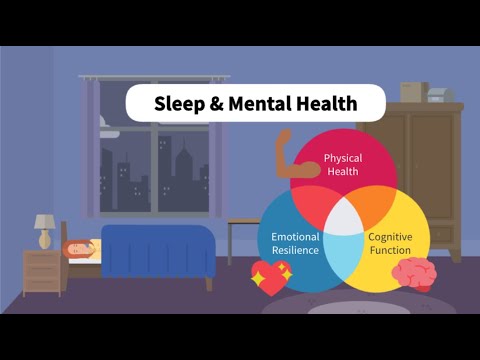
Waking up is, like, one of those things everyone has to do, right? But let’s be real—it can feel like a major battle some days. You know the feeling?
You’re lying there, cozy in bed, while your brain’s doing gymnastics. It’s exhausting! Sleep isn’t just about catching Z’s; it’s tied to how we feel—like seriously tangled together.
Think about it: ever had a day where you barely slept and everything felt ten times harder? Yeah, that’s what I’m talking about.
So grab your coffee or tea. Let’s dig into the wild world of sleep and its sneaky connections to mental health. It’s a journey worth taking!
Exploring the Possibility: Can a Blood Test Diagnose Mental Health Conditions?
So, let’s get into it. Ever wonder if a simple blood test could tell us what’s going on in our minds? It’s a fascinating idea, right? I mean, we’ve all seen those commercials where they talk about the latest miracle blood tests for everything from allergies to complex diseases. But when it comes to mental health conditions, it gets a bit murky.
First off, mental health isn’t like physical health. There aren’t clear-cut markers that scream “depression” or “anxiety” in your bloodstream. It’s not as straightforward as checking for cholesterol or vitamin levels. Mental health is complex and often influenced by a mix of genetics, environment, and personal experiences.
Still, researchers are exploring ways to tie physical biomarkers—like those you’d find in blood—to mental health conditions. They’re looking at things like inflammation levels or hormone imbalances. For instance:
- Cortisol: Known as the stress hormone, levels can be linked to anxiety and depression.
- Inflammatory markers: Some studies suggest chronic inflammation might be connected to various mental illnesses.
But hold on! Just because they find some correlations doesn’t mean there’s a magic button ready to diagnose you through a needle prick. You see, while certain biomarkers might indicate that someone is at risk for mental health issues, they can’t provide the full picture.
Imagine this: You’re feeling super low and tired all the time. A doctor takes your blood and finds some abnormal cortisol levels. Does that mean you’re definitely depressed? Not really! Everyone reacts differently; plus other factors like lifestyle choices and emotional experiences play huge roles here.
Now let me throw in some personal flair—my friend Sam always felt exhausted after sleepless nights that seemed never-ending. A doctor suggested checking his thyroid function because fatigue can sometimes be linked there too. Turns out his blood was all good! But Sam’s struggle was more about his racing thoughts and anxiety keeping him up rather than anything physically wrong with him—a classic case of mental versus physical.
So yeah, diagnosing mental health issues requires diving deeper than just a profile of biomarkers. Typically, health professionals use interviews and questionnaires, which give them much better context about how you’re feeling emotionally and socially.
While the idea is tempting—easy diagnostics without lengthy therapy sessions—it doesn’t quite work like that for now. The connection between sleep issues and mental health is also something serious; think about how insomnia often goes hand-in-hand with anxiety or depression.
In short: Blood tests might eventually help identify risks or underlying problems related to mental health—but diagnosing requires more than just vials of your crimson life juice! So keep chatting with your healthcare provider if you’re struggling—they’re still the best source for understanding what’s happening up there (in your head). And who knows? Maybe one day we’ll have clearer connections between blood tests and our mind’s mysteries—but until then, stay curious!
The Impact of Sleep Deprivation on Mental Health: Understanding the Connection
Sleep is, like, super important for your mental health. You ever have one of those nights where you just can’t fall asleep? Maybe you’re tossing and turning, or your mind just won’t shut up. The next day? Well, everything feels off. That’s because sleep deprivation has a serious impact on how we think and feel.
When you don’t get enough sleep, your brain doesn’t have the chance to recharge. It’s like leaving your phone uncharged overnight and then expecting it to work perfectly the next day. Without enough Zzz’s, your brain struggles with decision-making and emotion regulation. You might find yourself snapping at people or feeling way more anxious than usual. Seriously, it can feel like a rollercoaster ride of emotions.
You know how sometimes after a bad night’s sleep, everything feels heavier? It’s not just in your head! Studies show that sleeplessness can lead to increased levels of stress hormones like cortisol. This means that even small challenges can feel huge when you’re functioning on little sleep.
And then there’s the connection between sleep and depression. A study found that people who struggle with insomnia are more likely to develop depression later on. It’s as if they’re in a never-ending loop—poor sleep leads to negative thoughts, which makes it harder to sleep well again.
Here are some key points about how lack of sleep messes with our mental health:
- Cognitive impairment: You might struggle with memory and concentration when you’re tired.
- Increased irritability: Lack of sleep makes it hard to regulate emotions, leading to mood swings.
- Anxiety spikes: Even if you didn’t feel anxious before, not sleeping well can bring on those jitters.
- Higher risk for mood disorders: People who don’t get consistent good sleep are at greater risk for issues like anxiety and depression.
It’s kinda alarming when you think about it. Have you ever noticed how everything feels magnified after a sleepless night? Like that awkward moment at work becomes the end of the world because you’re running on fumes?
So what do we do about this? Well, developing good sleep hygiene is super crucial. This basically means creating an environment and routine that promotes good shut-eye. Things like sticking to a schedule or minimizing screen time before bed can help you catch those precious hours of rest.
At the end of the day, taking care of your mental health involves recognizing *how* vital sleep really is. You can’t pour from an empty cup; if you’re not sleeping well, it spills over into every part of your life! The connection is real—so let yourself recharge!
Understanding the Connection Between Sleep and Mental Health: A Comprehensive Guide (PDF)
It’s no secret that sleep and mental health are like best buds. Seriously, they’re in a tight-knit relationship, and when one’s off, the other tends to follow suit. You know how after a rough night you feel cranky and foggy? That’s just the tip of the iceberg.
The Science Behind Sleep
Sleep is crucial for our brains to function properly. During those restful hours, your brain clears out toxins accumulated during the day. This helps with memory consolidation and emotional regulation. If you’re not getting enough sleep, you might notice it’s harder to focus or that your mood swings are more intense.
Here’s where it gets tricky: mental health conditions can mess with sleep. People dealing with anxiety often find themselves tossing and turning at night. They can’t shut their minds off, which leads to sleep deprivation—a vicious cycle that keeps going around.
Common Mental Health Issues Linked to Sleep
- Anxiety Disorders: These can create racing thoughts that make it hard to relax enough to sleep.
- Depression: It can lead to either insomnia (can’t sleep) or hypersomnia (sleeping too much). Both are not great for your mental health.
- Bipolar Disorder: During manic episodes, people might need less sleep but feel more energetic, which is confusing.
You ever hear someone say they “woke up on the wrong side of the bed”? Well, that’s real! The state of your mind can totally influence how well you rest. Let’s say you had a rough day filled with anxiety—when bedtime rolls around, those feelings don’t just disappear. Your brain might replay everything over and over again.
The Importance of Sleep Hygiene
Now that we know how intertwined these two are let’s talk about some ways to improve your sleep hygiene:
- Create a Sleep Schedule: Going to bed and waking up at the same time every day helps train your body.
- Avoid Screens: Blue light messes with melatonin production—so put down that phone an hour before bed!
- Create a Relaxing Ritual: Whether it’s reading or meditating—doing something chill before sleeping can signal your brain it’s time to wind down.
It really makes a difference! I remember once after weeks of poor sleep due to stress from work, I made simple changes like putting my phone away and reading instead. It took time but I started waking up feeling way more refreshed!
You Are Not Alone
Many people struggle with this connection between sleep and mental health. If you’re finding yourself in this loop—don’t hesitate reaching out for help! Therapists can provide strategies tailored for you. Sometimes just talking about what’s bothering you could open doors towards better rest.
In wrapping this up (not really a guide but more of an insight), take care of both your mind and body by prioritizing good sleep habits. They’re both interconnected—you could think of them as dance partners: where one leads, the other follows.
Waking up in the morning can sometimes feel like climbing Mount Everest, right? You know that feeling when your alarm goes off, and it feels like you’ve just been yanked from a warm, cozy dreamland into the cold reality of your room? Oh man, I’ve been there. There’s this strange dance between sleep and waking that impacts our mental health in ways we might not even realize.
You ever have those days where you hit snooze a bunch of times? Maybe you’re feeling low or anxious before even stepping out of bed. That’s your mind telling you something isn’t quite right. Sleep deprivation is like that unwelcome guest who shows up uninvited to a party—it overstays its welcome. Lack of sleep affects your mood and makes everything seem way harder. Seriously, it’s tough to face the day when you’re running on empty.
And then there are those nights when your brain just won’t shut off. You know what I mean? Your thoughts race around like kids on a sugar high. Anxiety can kick in hard when you’re lying there at 3 AM thinking about absolutely everything that might go wrong in your life. I’ve had nights where I couldn’t stop replaying old conversations or worrying about tomorrow’s tasks, leaving me drained before the day even begins. It can be exhausting.
So, getting good sleep isn’t just about rest; it’s about taking care of your mental health too. When we don’t get enough quality sleep, our emotional resilience takes a hit. You might find yourself more irritable or less focused—kind of cranky and moody, you know? It feels like trying to run a marathon after skipping breakfast for weeks.
But here’s the kicker: sleep hygiene is real! Simple things like sticking to a bedtime routine or making your sleep environment comfy can really help you catch some solid Z’s. And hey, if you’re facing serious issues with waking up or sleeping well—that’s okay! Reaching out for help from a pro can make all the difference.
It’s kind of wild how intertwined our minds and bodies are when it comes to rest and wakefulness—like best buddies who share everything! So next time you’re struggling to wake up or dreading the day ahead, remember: sleep isn’t just downtime; it’s crucial fuel for your mental well-being too.