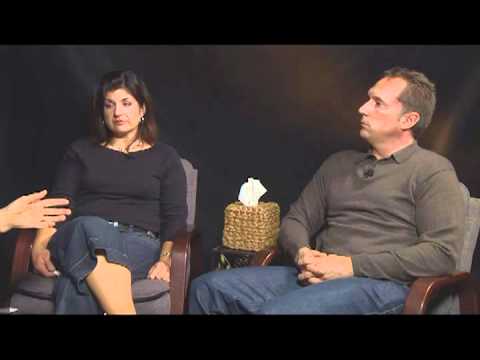
So, you know how relationships can get kinda tricky? Like, one minute you’re all lovey-dovey, and the next you’re in a heated argument over something that seems small.
Communication is like the lifeblood of a relationship. If it’s flowing well, everything feels easier. But if it’s all clogged up with misunderstandings? Oof. That’s when things go sideways.
In couples therapy, the goal is to help partners learn how to talk and listen to each other better. It’s not just about fixing issues; it’s about building that connection and understanding again.
Let’s chat about some simple ways to enhance that communication during sessions! Seriously, it can make a world of difference for you and your partner.
Improving Communication in Couples Therapy: A Comprehensive PDF Guide
Alright, let’s chat about improving communication in couples therapy. It’s a big deal, and can totally make or break a relationship. So, here’s the lowdown.
First off, communication is like the glue that holds relationships together. When you miss that connection, things can feel messy. The thing is, many couples struggle with expressing their feelings or listening to each other. This is where couples therapy comes into play.
Active Listening is super important. It’s not just about hearing the words; it’s about understanding what your partner really means. Imagine you’re having a convo and your partner says they’re upset because of something small you did. Instead of jumping in with your own defense, you might pause and say something like, “I hear you saying that my actions hurt you.” This shows you’re really trying to get their side of things.
Another key point is using «I» Statements. They help reduce blame and defensiveness. Instead of saying “You never listen to me,” flip it to “I feel unheard when we talk.” It shifts the focus onto how you feel instead of putting your partner on the hot seat.
Nonverbal Communication counts too—like body language and eye contact. When you’re turned away from each other or staring at your phone during a serious talk, it sends the message that you don’t care. Try facing each other and putting down distractions while having those heart-to-heart chats.
Then there’s the power of time-outs. If emotions are running high, it can be helpful to take a breather rather than continue arguing endlessly. You know those moments when you’re just shouting over each other? It doesn’t help anyone! Taking a break can clear your heads so you can come back ready to listen more effectively.
Setting Boundaries around sensitive topics can also improve dialogue in therapy sessions. Some issues might be too raw for casual discussions during therapy or even at home–that’s okay! If finances are touchy for one partner but not for another, agree on when and where those conversations happen so they feel safer.
Also, Practicing Empathy goes a long way. Put yourself in their shoes—what would it feel like if roles were reversed? Ask open-ended questions like “How does this situation make you feel?” which encourages deeper discussions rather than just surface-level chitchat.
And hey, sometimes bringing in a therapist’s guidance makes all the difference! They have tools and skills to help facilitate those tougher conversations without things getting too heated.
Finally, remember that improving communication takes time and practice—like learning any new skill! So don’t expect miracles overnight; be kind to yourselves as you both grow together through this process.
So yeah, if both partners commit to enhancing how they communicate during therapy sessions—and beyond—they’ll have better chances of solving conflicts in healthful ways!
Effective Strategies for Enhancing Communication in Online Couples Therapy Sessions
Couples therapy has shifted online, and that’s a big adjustment for many. But you know what? It can work beautifully if both partners are willing to invest their time and energy into enhancing communication. So, let’s explore some effective strategies to make those virtual sessions count.
First off, choose the right environment. You want a space that’s safe and comfortable for both of you. It could be a quiet room with no distractions—or even a cozy corner with your favorite blankets. Just make sure it’s private enough that you feel free to express yourselves without interruptions.
Then there’s the tech side. A reliable internet connection is crucial! Imagine getting all geared up for an important conversation, only to lose connection mid-sentence. Frustrating, right? It helps to test your audio and video ahead of time so neither of you spends precious session time fiddling with gadgets.
Now, let’s chat about active listening. It sounds simple but seriously makes all the difference. This means really tuning in when your partner speaks—like nodding or responding with “I hear you.” You’re basically saying their feelings matter. For instance, if one person shares about feeling overlooked in daily chores, acknowledging this feeling can pave the way for more open discussions.
And don’t forget about non-verbal cues. I know it seems like an online thing may lack emotional depth because you’re not physically together, but gestures matter! Leaning toward the camera during discussions shows engagement. Facial expressions give feedback just as much as words do—so keep those cameras on!
Another important point is taking turns speaking. When two people talk over each other—yikes—it can lead to frustrations faster than you’d think! Consider using a simple “talking stick” approach where only one person speaks at a time while holding an object like a pen or remote control.
You might also benefit from setting clear goals for each session. Before diving into deep conversations, agree on what specific topics you’d like to cover or issues you’d like to resolve during your time together online.
Also, be open about your feelings around online therapy itself. If either of you is feeling awkward or uncomfortable communicating through a screen, share it! That openness promotes trust and understanding between partners.
Lastly, don’t shy away from checking in on each other’s feelings outside sessions too! A quick text during the week asking how they’re feeling can bridge those gaps that online therapy sessions sometimes create.
Remember, it takes some getting used to—there’s no perfect formula here—but committing these strategies can lead to powerful connections and deeper understanding in your relationship over time! Keep working at it together; you’ve got this!
Effective Strategies for Improving Communication in Free Couples Therapy Sessions
So, let’s talk about communication in couples therapy. This is a biggie because, honestly, if you can’t communicate well, it’s like trying to build a house on sand. You follow me? Here are some effective strategies to get your message across better during those therapy sessions.
Active Listening is key. This means really paying attention when your partner speaks, not just waiting for your turn to talk. So, lean in a bit. Nod your head. Make eye contact. When my friend Lisa had trouble with this, she started repeating back what her partner said before responding. It helped them both feel heard.
Another important point is using «I» statements. Instead of saying «You never listen,» try «I feel unheard when I share my thoughts.» It softens the blow and makes it less about blame and more about how you’re feeling—you know? That made a huge difference for Tom and Jenna in their sessions.
Also, practice nonverbal communication. Your body language speaks volumes! Crossing arms or rolling eyes can escalate tension fast. Try facing each other with relaxed postures—maybe even hold hands if that feels right.
Sometimes it helps to establish ground rules for discussions during therapy. Maybe decide that no one interrupts while the other is talking or that you both take a break if emotions run too high. This can create a safe space where both partners feel comfortable sharing their thoughts without fear of backlash.
Another good strategy is to schedule check-ins. Set aside time each week where you just talk about how things are going—like a mini therapy session at home! This way, you don’t wait until something bubbles over in therapy to address issues; you’re staying on top of things.
And seriously consider using visual aids. Sometimes writing things down or using drawings can help clarify what you’re trying to say or express feelings more effectively than just words alone.
Finally, remember that patience is crucial. Communication doesn’t improve overnight—think of it like training for a marathon. It’s gonna take time and effort from both sides.
So yeah, those are some strategies that can really enhance communication in couples therapy sessions! By incorporating these tips, hopefully you’ll find yourself getting closer and understanding each other better over time. Communication truly is the bedrock of any strong relationship!
You know, let’s talk about couples therapy for a minute. It can be a tough gig. Seriously, the room is often filled with an emotional rollercoaster—you’ve got love, frustration, maybe some tears. And it’s all about trying to make sense of those messy feelings and communicate them better. So enhancing communication in those sessions? That’s like the golden key.
I remember a couple I knew who went through this process. They were stuck in a loop of misunderstandings, like two trains passing each other without ever stopping to look around. It was painful to watch because you could feel their love, but everything they said just seemed to spark more conflict. The therapist guided them through exercises to help them really hear each other—and not just respond with their own frustrations.
The thing is, it’s about more than just words. It’s body language, tone, and even silence speaks volumes sometimes! Learning to express feelings without judgment can be transformative. And let’s be real; it can take time and practice—like learning an instrument or mastering a new recipe.
One cool technique involves using “I” statements instead of “you” statements. So instead of saying “You never listen,” you might say, “I feel unheard when you interrupt me.” That small shift can seriously change the entire tone of the conversation. It opens up space for vulnerability instead of defensiveness—which is what most couples really need.
In therapy sessions, therapists often create a safe playground where both partners can express themselves without fear of immediate backlash—the so-called ‘safe zone.’ It encourages authenticity and exploration of emotions that might otherwise fester under the surface.
At the end of the day, improving communication isn’t just about fixing issues; it builds connection too! It reminds couples why they fell in love in the first place—understanding each other beneath all that noise and stress from everyday life.
So yeah, enhancing communication in couples therapy is like slowly peeling away layers around the heart until both partners can see each other clearly again. Beautiful stuff happens when two people genuinely connect!