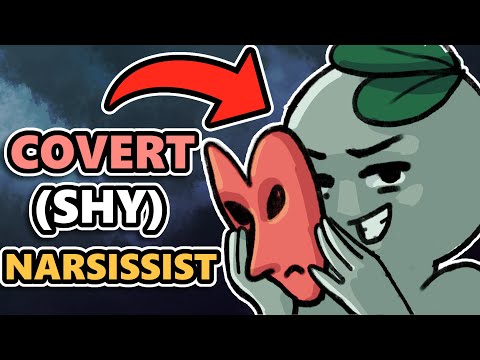
You know that feeling when someone just seems off? Like, you can’t quite put your finger on it, but something feels a little… strange?
That’s how covert narcissism can sneak into relationships. It’s not like the flashy kind that screams «Look at me!» Instead, this one hides in the shadows.
People with covert narcissism often play the victim. They might seem sensitive or shy, but underneath, they can be super self-centered. It’s tricky since they can charm you one minute and leave you feeling confused the next.
So, how do you spot these signs without driving yourself nuts? Let’s break it down together and figure out what’s really going on!
10 Surprising Behaviors of Covert Narcissists You Need to Know
Okay, so let’s talk about covert narcissism. It’s sneaky, often hiding in plain sight. You might think of narcissists as these loud, brash people who need constant attention. But covert narcissists? They operate in a totally different way and often go unnoticed. Here are some surprising behaviors you really should be aware of.
Emotional Manipulation
Covert narcissists have a knack for twisting your feelings around. They’ll make you feel guilty or anxious, but they won’t do it overtly. Instead, they use subtler methods, like passive-aggressive comments or guilt trips. For example, if you don’t text them back right away, they might say something like, “I guess I’m just not important enough to hear from you.”
Victim Mentality
They often see themselves as the victim in every situation—no matter what happens. If they don’t get a job promotion or don’t get invited to a gathering, they’ll sulk and probably tell everyone how unfair life is to them. It’s their way of seeking sympathy without coming across as self-centered.
Lack of Empathy
You’ll notice that they struggle to understand or care about other people’s feelings unless it’s convenient for them. You could share your bad day with them and instead of offering support, they might pivot the convo back to themselves and how their week was worse!
Inconsistency
Ever experienced whiplash from someone’s mood swings? Covert narcissists can go from being really warm and supportive to cold and distant in no time flat. You’ll start questioning yourself because one minute they’re your biggest cheerleader and the next minute they’re ignoring you.
Pretentious Humility
You know those people who always downplay their achievements but do it in such a way that it seems like they’re fishing for compliments? Yep! That’s classic covert narcissism. They’ll say things like “I didn’t do much,” while secretly waiting for someone to praise them.
Gossiping About Others
They’ll often gossip about people behind their backs but will frame it as concern or worry for that person—like discussing someone else’s problems is actually helping them out! This behavior makes them appear altruistic while really embracing the drama.
Tendency to Compare
These folks love comparing themselves (and often unfavorably) against others. If someone has accomplished something big—like getting into a dream college—they’ll find a way to twist that into something negative about themselves, shrugging off their own successes with disdain.
Sarcasm Masquerading as Humor
They might use sarcasm when discussing friends or family members’ achievements and disguise it as humor. This helps reinforce their superiority while putting others down without seeming overly mean about it.
Bitter Jealousy
You’ll pick up on this weird energy when someone else gets recognition or praise—they act like it’s no big deal but deep inside they’re seething. Their jealousy comes out in subtle snide remarks that seem harmless at first but carry an underlying negativity.
So, now you’ve got a bit more insight into what’s going on with covert narcissists! They’re tricky individuals who can drain your emotional energy without you even realizing it at first. Stay vigilant!
Understanding the Covert Narcissist Relationship Cycle: Signs, Impact, and Healing
Relationships with covert narcissists can be really confusing. These are the folks who might seem quiet and understated, but trust me, their impact can be pretty intense. So, let’s break down the **covert narcissist relationship cycle**, you know? We’ll look at the signs, how it messes with your head, and ways to heal.
Recognizing Covert Narcissism
Covert narcissists often fly under the radar. While classic narcissists seek constant admiration and attention, covert ones might act more introverted or shy. But don’t let that fool you! Here are some signs:
- Victim Mentality: They often see themselves as the misunderstood victim in situations.
- Lack of Empathy: While they might seem sensitive, they struggle to genuinely connect with others’ feelings.
- Passive-Aggressiveness: Instead of being direct about their feelings, they may use sarcasm or sulking.
- Subtle Manipulation: They can twist conversations to make you doubt your reality.
I remember talking to a friend who was dating someone like this. She’d share how he would often put her down in such a roundabout way that she’d leave feeling like she was overreacting. It’s eerie how that works!
The Cycle of Relationships
The relationship cycle with a covert narcissist usually follows a pattern: idealization, devaluation, and discard.
1. **Idealization:** At first, they shower you with affection and compliments. You feel so special!
2. **Devaluation:** Over time, that sweetness fades away. Little criticisms turn into bigger attacks on your self-worth.
3. **Discard:** Finally, when they’ve drawn enough from you emotionally—or when they find someone else—they may just ghost you or end things abruptly.
This cycle can feel like an emotional roller coaster. You’re on this high when things are good but then suddenly plunged into doubt and confusion.
The Impact on You
Being in a relationship with a covert narcissist is draining—like running a marathon without knowing it! Their behavior impacts not just your mental health but also your daily life:
- Diminished Self-Esteem: You start questioning your worth because of their constant belittling.
- Anxiety: Walking on eggshells becomes the norm; you’re always worried about triggering their anger or disappointment.
- Isolation: They may subtly encourage you to distance yourself from friends and family for control.
Imagine being in a relationship where it feels like every compliment is followed by an unkind jab later! It’s no wonder many folks feel lost after dealing with such dynamics.
Healing from the Cycle
So how do you even start healing after such an intense experience? First off, it’s okay to feel hurt—you’re allowed to grieve what happened!
- Acknowledge Your Feelings: Accepting what you’ve been through is crucial for healing.
- Talk It Out: Find someone who understands—friends or therapists can provide support and validation.
- Create Boundaries: Learning to set limits is vital for protecting yourself in future relationships.
One example is setting small boundaries around communication styles—even saying “Hey, I’d prefer if we addressed issues directly instead of through sarcasm.” Sounds simple but feels powerful!
Healing takes time—there’s no rush here—so be gentle with yourself as you navigate through those feelings and rebuild confidence.
All in all, understanding the dynamics of a covert narcissist can give insight into why things felt off during your relationship. By recognizing those patterns and focusing on healing strategies, you stand a better chance at fostering healthier connections down the road!
Understanding Covert Narcissism: Identifying Traits in Relationships for Better Mental Health
Covert narcissism can be tricky to spot. Unlike the classic, loud-and-proud narcissist, a covert narcissist often flies under the radar. They might come off as shy or sensitive, but there’s a world of self-centeredness lurking beneath that surface. Let’s unpack this.
First off, covert narcissists often play the victim card. You know, they might say things like, “I always get left out” or “No one appreciates me.” It’s like they want your sympathy and attention without actually taking responsibility for their feelings. It creates this cycle where you feel guilty for not supporting them enough, which can be draining.
Another thing to watch for is how they handle criticism. You’d think anyone would appreciate feedback, but not a covert narcissist. Instead of saying thanks or considering what you said, they might go silent or act as if you’ve just committed a huge offense. They may even turn it into an attack on you. Like, if you gently point out that they’re being a bit selfish at dinner plans—suddenly it becomes your fault for trying to control them.
Emotional manipulation is also part of their playbook. They can twist your words around until they sound unreasonable or harsh—even when they’re not! Imagine telling them you’re feeling overwhelmed with work and need some space. Chances are they’ll make it about how alone they feel and how you’re neglecting them instead.
They often engage in what’s called «gaslighting.» That’s when someone makes you doubt your own perceptions or feelings. So let’s say you’ve noticed that their mood swings leave you on edge; they’ll insist you’re just too sensitive or paranoid about nothing at all! Over time, this can erode your self-esteem.
Here are some traits to keep an eye out for:
- Victim mentality where everything feels unfair to them.
- Difficulties accepting any form of criticism.
- Excessive need for validation despite coming across as humble.
- Tendency to manipulate conversations toward themselves.
- Gaslighting behavior – making you doubt your reality.
Remember the last time you felt like nothing was ever enough? Covert narcissists thrive on this sort of emotional turmoil in others. One minute you’re happy together; the next, you’re questioning everything about yourself and your worth.
This kind of relationship can really hit hard on your mental health over time. If you’re feeling anxious or constantly on edge around someone—even if they seem caring—it might be worth stepping back for some clarity.
Knowing these signs lets you protect yourself better in relationships with anyone who shows these tendencies. And hey—if it feels too heavy or confusing, talking things through with someone professional can work wonders too!
You know, figuring out the signs of covert narcissism can feel a bit like trying to spot a chameleon. They blend in so well, and sometimes you don’t even realize you’re dealing with one until you’re pretty deep in the relationship. I remember chatting with a friend who’d been dating someone for months. To the outside world, he seemed charming and mild-mannered, but behind closed doors? Totally different story.
So here’s the thing: covert narcissists often play the victim card, and this can mess with your head. It’s like they have this special ability to make everything about them—without seeming braggy about it. They do all these little things, like being overly sensitive or subtly dismissive of your feelings. You might find yourself constantly reassuring them or feeling guilty for needing support.
A classic sign is emotional manipulation. When conflicts arise, they might twist things around until you’re questioning your own reality. Remember my friend? She’d tell me how her partner would say things like “I just can’t help how I feel,” or “You make me feel bad.” It left her feeling guilty instead of him taking responsibility for his actions.
And then there’s that lack of empathy. Covert narcissists often struggle to understand what you’re going through because their focus is so internalized. If you share something important—like, say, a recent failure at work—you might get a response that feels more like an emotional shrug than genuine support.
When you start noticing these patterns, it can be super disheartening. You might even find yourself second-guessing if it’s really as bad as it seems or if you’re just overreacting—which is totally understandable but so confusing! The key is to trust your instincts; if something feels off, it probably is.
The tricky part? Because they’re often skilled at appearing non-threatening or even self-deprecating, it can lead others to dismiss their behavior as just quirks rather than red flags. You might think you’re being too sensitive when really what’s happening is deeply unhealthy.
So yeah, recognizing covert narcissism really comes down to paying attention and trusting yourself—even when it’s hard! If something consistently feels off in your gut after moments of interaction with someone close to you, don’t brush those feelings aside—those are signals worth exploring further!