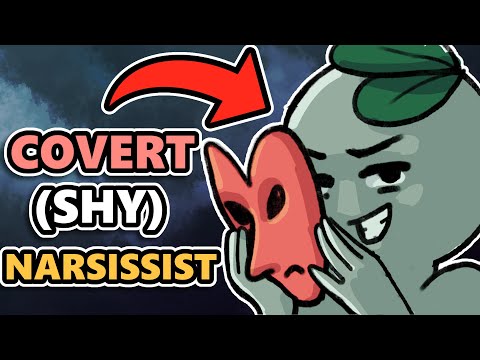
You know what’s tricky? Figuring out if someone is a true narcissist or just acting a bit self-centered. It’s like that gray area can make your head spin.
Covert narcissism is especially sneaky because it doesn’t always look like the flashy, loud kind that pops into your mind. Instead, it hides in the shadows, whispering sweet nothings while quietly draining you.
Think about it: you’re chatting with someone who seems all sweet and sensitive, but then you walk away feeling drained. Confusing, right?
Let’s break this down together and spot the signs of covert narcissism. You might find it’s more common than you think!
Uncovering the Strange Behaviors of Covert Narcissists: What You Need to Know
So, let’s talk about covert narcissism. It’s, like, one of those terms that gets thrown around a lot, but not everyone really knows what it means. So here’s the lowdown: covert narcissists are a bit different from the classic “look at me” narcissists. They tend to be more subtle—almost like they blend into the background while still craving attention and validation. Sounds confusing? Yeah, it can be.
One way to spot a covert narcissist is by looking at their need for **constant reassurance**. They might seem shy or humble but don’t be fooled! Inside, they often have this intense fear of not being good enough. So, they’ll frequently fish for compliments or need others to validate their worth.
Another thing to keep an eye out for is their **victim mentality**. Covert narcissists often see themselves as misunderstood or wronged by the world. You might catch them saying things like, “No one ever understands me,” which just screams drama llama! This can make you feel bad for them even when their behavior isn’t healthy.
You know what else is interesting? They can also display **passive-aggressive behavior**. Instead of being upfront with you about their feelings, they might act out in subtle ways—like giving you the cold shoulder or making snarky comments disguised as jokes. It’s frustrating because you’re left guessing what’s really going on in their heads.
Here are a few key traits that can help you recognize covert narcissism:
- Fragile self-esteem: They may appear confident but crumble when faced with criticism.
- Empathy issues: They struggle to genuinely connect with others’ feelings.
- Attention-seeking: Their way of seeking validation is more indirect than overtly demanding it.
- Envy and resentment: You might find them feeling envious of others’ success while masking it under a facade of indifference.
Here’s an example: Imagine someone who always seems sweet and considerate but always finds a way to turn conversations back to themselves after listening to someone else vent about their problems. It’s kinda sneaky—you think they’re being empathetic when really they’re just looking for that spotlight again.
You know that feeling when someone constantly plays the blame game? Covert narcissists are champions at this! If something goes wrong, they’ll redirect that blame onto others without taking responsibility themselves.
It can be tough dealing with covert narcissists because their manipulative tactics are often hidden under layers of charm and vulnerability. Seriously, it feels like walking through a minefield sometimes! That leaves you second-guessing yourself and wondering if you’re overreacting.
You’ve got to remember though; recognizing these behaviors is crucial for your own mental health. Setting boundaries becomes super important here so you can protect your peace without feeling guilty about cutting ties with someone who brings negativity into your life.
So yeah, keep an eye out for those telltale traits if you suspect someone in your life might be exhibiting covert narcissism—you don’t want to get caught up in that emotional rollercoaster!
10 Common Phrases That Reveal Covert Narcissists: Understand Their Hidden Tactics
Covert narcissism can be super tricky to spot. Unlike their more overt counterparts, these folks don’t flaunt their ego. Instead, they often hide it behind a mask of humility or sensitivity. If you’ve ever felt a little off in someone’s presence but couldn’t quite put your finger on why, it might be something they said—or didn’t say.
Here are some common phrases you might hear from covert narcissists, along with some insights into what they really mean.
What’s hidden here is a desire to manipulate your feelings. By labeling themselves as sensitive, they make it seem like you have to tiptoe around them, creating an emotional environment where you’re always on edge.
This might sound caring and selfless at first. But really, they’re avoiding genuine connection or vulnerability while still keeping the spotlight on themselves.
This phrase often serves as a red flag. It suggests that they see themselves as unique or superior in some way, which feeds into their inflated self-image even if they claim otherwise.
With this line, they’re basically saying: “I’m special.” It’s a strategic way to isolate themselves and solidify emotional distance while also making you feel inadequate for not being able to empathize fully.
When someone constantly plays the martyr, it can be exhausting! This tactic garners sympathy while subtly pushing others into a place of guilt for not giving back enough in return.
Here we see the classic victim mentality creeping in. It’s less about seeking solutions and more about fishing for validation from others. They want reassurance that it’s not their fault!
This sounds flattering but feels disingenuous, doesn’t it? What they may truly mean is: “You have qualities I lack; make me feel better about myself.”
This reflects entitlement masked in self-pity. Instead of working toward personal growth or accountability, they’re blaming external factors for their perceived shortcomings.
This is another clever tactic—by projecting craziness onto others, they shift focus away from their own issues and create doubt in your mind about your perceptions.
When covert narcissists swoop in with unsolicited advice wrapped up as helpfulness, it’s usually more about showcasing their supposed superiority than genuinely helping you out.
So there you have it! Covert narcissists have this sneaky way of manipulating conversations and emotions without being outright aggressive or boastful. Their words can carry heavy emotional weight designed to draw you in while keeping them just out of reach emotionally. Recognizing these phrases can help raise your awareness and protect your own emotional well-being when dealing with difficult personalities!
Unveiling the Roots: Understanding the Causes of Covert Narcissism
Covert narcissism is, like, this sneaky little beast. It’s not the loud, boastful kind of narcissism you might think about at first. Instead, it hides in the shadows. You might see signs of it in subtle behaviors that can be easily overlooked. So let’s untangle this a bit.
First off, **covert narcissism** is often rooted in early experiences. Many people who develop this pattern may have faced neglect or abuse during childhood. Imagine a kid who was always overshadowed by their siblings or didn’t get enough attention from their parents. This really can lead to a deep-seated need for validation but without the overt displays that classic narcissists show.
Basically, covert narcissists tend to feel really insecure and inadequate inside. They want admiration and approval from others but don’t know how to ask for it directly. Instead, they play these **subtle games** where they might fish for compliments or act like a martyr to gain sympathy. You see what I mean? It’s not about boasting but more about playing the victim card.
Another thing is that some covert narcissists are deeply sensitive to criticism. One little jab can send them spiraling into feelings of shame or anger—often leading them to withdraw or sulk in silence instead of confronting issues head-on.
They also tend to engage in passive-aggressive behaviors. For example, rather than telling you they’re upset with something you did, they might turn cold and distant. This way, they maintain an air of superiority while still feeling wronged and hurt—kind of complicated, huh?
Here’s where it gets even more interesting: there’s a link between covert narcissism and certain mental health conditions like depression or anxiety. If you’re constantly seeking validation but feel unworthy of it at your core, that cycle can lead you straight into some dark emotional places.
And let’s not forget about relationships! Covert narcissists often struggle with intimacy because their need for validation overshadows genuine connections with others. They might cling tightly to relationships but avoid truly opening up—it creates this emotional distance that can be painful for both parties involved.
In essence, understanding the roots of covert narcissism gives us insight into its complex nature and helps us pick up on those subtle signs when we encounter people dealing with these traits in our lives. Whether it’s friends, family members—or even yourself—recognizing these patterns means we can start addressing those underlying hurts instead of just dealing with surface-level behaviors.
So yeah, uncovering these roots isn’t just helpful for identifying covert narcissism; it’s also key to fostering healthier interactions all around!
Recognizing covert narcissism can feel like trying to catch smoke with your bare hands. You know something’s off, but it’s not always clear what it is. Covert narcissists can be pretty sneaky. Unlike the overt ones who flaunt their superiority with big gestures and loud proclamations, covert narcissists often operate in the shadows, quietly manipulating situations to make everything about them.
I remember a friend of mine who was dating someone like this. At first, he seemed so charming and humble. He’d share his struggles, and you would feel this urge to support him, you know? But over time, I started noticing how every conversation somehow circled back to him. He could turn even the most mundane stories into tales of personal hardship, while my friend’s feelings felt sidelined. It was frustrating to watch.
In mental health contexts, spotting covert narcissism can be complex. These individuals may seem shy or insecure at first glance but carry a deep-seated need for validation and admiration. It’s like an iceberg; what you see is just the tip while the bulk of their behavior lies beneath the surface—hidden but powerful.
In therapy settings, they may present as victims of circumstance rather than acknowledging their manipulative traits. They often struggle with feeling inferior while simultaneously craving attention in subtle ways—through guilt trips or passive-aggressive comments that make you second-guess yourself. Such behavior can erode relationships over time without anyone really knowing why things feel so off-kilter.
It’s essential for everyone involved—both therapists and loved ones—to recognize these patterns early on before they become deeply entrenched. Awareness can provide clarity and help set boundaries necessary for healthier interactions. If you’ve ever felt puzzled after talking to someone who seems pleasant yet leaves you feeling drained or confused, trust your gut—it might just be a case of covert narcissism at play!