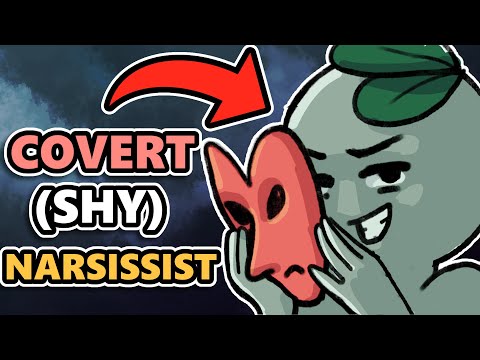
Ever met someone who seemed so charming, but something felt… off? You know what I mean? Like they had this incredible ability to draw you in but left you feeling a bit empty afterward.
That’s the tricky thing about covert narcissists and sociopaths. They can be super hard to spot. You think you’re dealing with a friend or a partner, but underneath that smooth surface, there’s a whole different game going on.
Let me tell you, understanding these dynamics can be a real eye-opener. It’s like getting glasses after squinting for years. There’s a lot to unpack here, and trust me, it’s not just textbook stuff; it hits close to home for many of us.
So, stick around! We’re diving into some pretty wild territory that might just change how you see your relationships.
Unmasking Covert Narcissist Sociopaths: Key Traits and Characteristics to Recognize
Unmasking someone with covert narcissism or sociopathy is tricky. They’re often masters at hiding their true selves behind a facade of charm and charisma. You know, many people think of narcissists as loud and flashy, but covert narcissists are like the silent storm. They can be subtle and manipulative, making it even harder to recognize them.
Covert Narcissism is like a quieter version of the more traditional form. These individuals often crave admiration but don’t flaunt it openly. Instead, they might play the victim or act vulnerable to get attention. Picture someone who always seems down but secretly enjoys when others step in to help them. It’s all about the manipulation behind their self-pity.
- Empathy Deficit: They may come off as empathetic at first, but that’s usually just a tactic to draw you in.
- Passive-Aggressiveness: Instead of confronting issues directly, you’ll find them expressing resentment through sarcasm or backhanded compliments.
- Victim Mentality: Covert narcissists frequently see themselves as victims, claiming others are out to get them.
- Lack of Accountability: If something goes wrong, it’s never their fault; someone else is always to blame.
Now let’s chat about Sociopathy. It tends to overlap but has its own distinct traits too. Sociopaths lack genuine emotional connections with others. They might seem charming and friendly on the surface, because they can mimic emotions without truly feeling them.
- Superficial Charm: Sociopaths often exude charisma that draws people in; they know how to turn on the charm when needed.
- Impulsivity: Unlike covert narcissists who plan their moves carefully, sociopaths can be more spontaneous in their actions.
- No Remorse: Regret isn’t really part of their makeup; they might hurt someone without batting an eye.
- Trouble Maintaining Relationships: Their inability to connect deeply can lead to a lot of broken relationships and chaos around them.
Maybe you’ve encountered someone like this? Imagine having a friend who always seems supportive but somehow makes you feel guilty for not being available enough for them—classic covert behavior! Or consider someone else you know who just can’t seem to keep friends because they push everyone away with selfishness—that could be indicative of sociopathy.
Recognizing these traits is crucial for your well-being. Knowing what you’re dealing with helps you distance yourself from toxic influences in your life! It might be challenging but trust your instincts—if something feels off in a relationship or friendship, it probably is.
So remember: whether it’s covert narcissism or sociopathy, understanding these dynamics can arm you with the knowledge needed to navigate complex relationships better and protect your mental space!
Understanding Narcopaths: Traits, Behavior, and Impact on Relationships
Understanding Narcopaths: Traits, Behavior, and Impact on Relationships
So, let’s talk about narcopaths. The term combines traits from both narcissists and psychopaths. It’s like a toxic cocktail of self-obsession and emotional coldness. You might have encountered someone who had you feeling all twisted up inside. That might’ve been a narcopath.
What really sets these folks apart? Well, they often have a mix of grandiosity from narcissism and the manipulative charm of psychopathy. They can seem super charming at first, drawing you in with their confidence and charisma. But then, it turns into something darker.
Here are some traits you might notice:
- Superficial Charm: They know how to turn on the charm when it suits them.
- Lack of Empathy: Emotions? Kind of like background noise for them.
- Exploitation: They might use people as pawns in their game.
- Grandiose Sense of Self: They believe they’re more special than anyone else.
- Irritability or Aggression: Watch out if their ego gets bruised!
Being around a narcopath can feel like walking on eggshells. One minute you’re laughing and having fun; the next, they’re critiquing your every move. It’s not just annoying; it can mess with your mental health.
Think about the story of someone named Mike. He thought he found his soulmate in Jenna, who always seemed to need him but rarely cared about his feelings. Like when he was stressed about work, she just turned it into an opportunity to talk about her problems instead. Over time, Mike realized that Jenna wasn’t really there for him—she cared more about how he made her feel than anything else.
Now let’s dig into behavior. Narcopaths tend to be super skilled at manipulation. They can twist situations or use guilt trips like it’s nothing! It’s all part of maintaining control over others while looking innocent themselves.
Trust me when I say this: relationships with these individuals can leave lasting scars. You might find yourself doubting your perceptions or feeling bad about things that aren’t your fault—a classic sign of emotional manipulation known as gaslighting.
So what does all this mean for your relationships? If you’re involved with a narcopath or suspect someone in your life fits this bill, setting boundaries is key! You don’t want to lose yourself trying to appease them while they take a toll on your energy and peace of mind.
In a nutshell: understanding narcopaths is crucial because recognizing these traits in others can help protect you from unhealthy dynamics. Trust your gut feelings! If something feels off in a relationship—well, chances are it probably is! Stay informed so that you keep those emotional boundaries strong and maintain your well-being above all else.
Understanding Covert Narcissism: How It Manifests in Therapy Settings
Covert narcissism is, like, a tricky beast. Unlike the more obvious narcissists—those who strut around with an air of superiority—covert narcissists tend to be more subtle. They might not demand the spotlight but they still crave validation and can show some disturbing behaviors, especially in therapy settings. So let’s break it down.
First off, what does covert narcissism look like? Well, it often manifests through **passive-aggressive behavior**. Imagine someone who always seems to be a victim or who downplays their achievements while secretly feeling superior. You might hear them say things like “I’m just not good enough” while expecting sympathy and admiration from others.
Another hallmark is **hypersensitivity to criticism**. Covert narcissists can’t handle even constructive feedback. In therapy, this could lead to them feeling attacked by their therapist for simply providing honest insights. They might get really defensive or shut down completely, making progress really tough.
Also, there’s the **emotional manipulation** factor. Covert narcissists often use guilt trips or emotional blackmail to maintain control over others’ reactions. This can create a toxic environment in therapy where they divert attention away from their issues and onto the therapist’s supposed failings instead.
In a therapeutic relationship, their tendency to play the victim can make it challenging for therapists to steer conversations toward personal responsibility or growth opportunities. You know how sometimes you feel like you’re talking in circles? That can happen here too—it’s frustrating!
Then there’s the whole thing about **entitlement** but expressed differently than you might expect. Instead of being overtly demanding, they may approach situations with a sense of quiet superiority or sadness that suggests they deserve special treatment because of their struggles.
Client-therapist dynamics can get really complex when covert narcissism is at play. The therapist may find themselves feeling drained after sessions because the client’s emotional needs seem never-ending or manipulative.
Finally, let’s not skip over **self-absorption** disguised as care for others. They’ll often put on a façade of concern for others’ feelings but only as long as those feelings serve their narrative or validate their existence.
Recognizing these patterns is key for therapists so they don’t get drawn into emotional traps that feel heavy and complicated. It takes awareness and skill to guide these conversations towards genuine healing instead of letting them spiral into blame games or victimhood.
So yeah, understanding covert narcissism helps therapists navigate tricky waters while also giving clients space to reflect on themselves without getting lost in manipulation or avoidance tactics. It’s about finding that balance between validation and pushing for real growth!
You know, when you think about narcissism and sociopathy, it’s like peeking behind a curtain that hides some pretty complex emotional machinery. Covert narcissists? They’re the sneaky ones. Unlike those grandiose narcissists who strut around demanding attention, covert types tend to blend in. They might seem shy or insecure on the surface, but underneath, there’s this simmering need for validation that can be just as damaging. It’s like they wear a mask of humility while quietly manipulating those around them to meet their emotional needs.
I remember a friend who had a boss that totally fit the covert narcissist profile. At first, he seemed supportive—always eager to listen. But then my friend started realizing how the boss would twist conversations to make everything about himself. Like he’d fawn over my friend’s achievements but only to highlight how they reflected on him. Slowly, it wore her down until she felt like she was walking on eggshells all the time. You get what I mean?
Now bring sociopathy into the mix, and things get even trickier. Sociopaths often feel disconnected from others—it’s like they’re living in a different reality where empathy is an alien concept. They can be charming and charismatic; some are even great at masking their true selves for a while. But trust me, underneath that charm is often chaos.
Interacting with someone who has these traits—whether it’s a covert narcissist or someone on the sociopathic spectrum—can be exhausting mentally and emotionally. It’s like navigating a minefield where one wrong step could blow up your sense of self-worth. The dynamics can create this toxic atmosphere where you start doubting yourself constantly.
But here’s the thing: recognizing these traits in others is essential for your own mental health. When you start seeing these patterns clearly, you can protect yourself better and reinforce those boundaries that safeguard your well-being.
So yeah, while covert narcissists and sociopaths may play their games in different ways, understanding them helps us navigate our relationships with more awareness—and maybe even compassion for ourselves when things get messy!