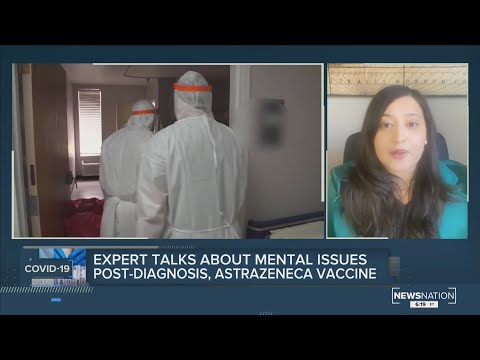
You ever feel like your brain’s been on a bit of a rollercoaster since COVID hit? Like, one minute you’re totally fine, and the next you can’t remember where you left your keys—or even what day it is?
Yeah, that’s been a thing for so many of us. The pandemic hasn’t just messed with our physical lives; it’s played tricks on our minds too. Stress, isolation, and all that uncertainty can really take a toll.
It’s wild how something we never saw coming would change our memory and mental health in ways we probably didn’t even think about. Seriously, when was the last time you thought about how one tiny virus could alter how we think and feel? That’s what I want to chat about. Let’s dig into this together!
Effective Treatments for Post-COVID Cognitive Impairment: Strategies for Recovery
So, COVID-19 has been a real game-changer in so many ways, right? One of the lesser-known effects of this virus is cognitive impairment, which can include memory issues, brain fog, and problems with attention or concentration. You might have experienced this yourself or seen it in someone you know. The thing is, these symptoms can linger long after the virus has left your system.
Now, let’s talk about some effective treatments and strategies to help you recover from this cognitive haze. First off, you want to prioritize physical health. Simple stuff like getting enough sleep and eating a balanced diet can really make a difference. Seriously, your brain needs fuel just like your car does.
- Sleep: Aim for 7-9 hours a night. Your brain does some serious housekeeping while you snooze.
- Nutrition: Think about incorporating foods rich in omega-3 fatty acids—like fish and nuts—and antioxidants from fruits and veggies. They help keep your brain sharp.
- Hydration: Don’t underestimate water! Staying hydrated can help combat fatigue and improve focus.
Next up is mental exercise. Just like we work out our bodies, we need to work out our brains too! Activities that challenge your mind can really boost cognitive function. Try things like:
- Puzzles—crosswords or sudoku can be both fun and beneficial.
- Learning a new skill or hobby—like playing an instrument or drawing—keeps those neurons firing!
- Reading books or articles that challenge you intellectually.
You might also consider cognitive rehabilitation therapy. This isn’t just for people recovering from strokes; it’s also helpful for post-COVID cognitive issues. A trained therapist can guide you through exercises designed specifically to improve memory and thinking skills. It might feel a bit awkward at first, but it can be super helpful.
If you’re feeling overwhelmed by anxiety or depression related to these cognitive difficulties—or anything else, really—it’s totally okay to ask for help with therapy. Talking things out with someone who gets it can lift some of that mental fog and provide solid coping strategies. Plus, it’s nice to have someone on your side who understands what you’re going through!
You may also think about mindfulness practices like meditation or yoga. These practices are great for improving focus and reducing stress levels overall. They help you tune into the present moment instead of getting lost in worries about the past or future.
If any of these challenges persist really long-term, it could be worth talking with a doctor about potential medications designed to assist with cognitive function—though it’s important not to jump straight there without exploring other options first!
The road to recovery might take time, but remember: every little step counts! It’s completely normal to face challenges after COVID-19; just know that support is available at every turn.
You’ve got this!
Understanding Memory Problems After COVID: Insights from Reddit Discussions
Memory problems after COVID have become a hot topic, especially on platforms like Reddit. You might have seen posts where people share their struggles with what’s often called “brain fog.” It’s like this thick haze that slows down thought processes and makes it tough to remember things. Let’s dig into some insights from those discussions.
What People Are Experiencing
Many folks describe symptoms like forgetfulness, difficulty concentrating, and an overall feeling of mental sluggishness. It’s not just about being a little scatterbrained. Some people say they can’t recall basic facts or even conversations they had just a few hours ago. Imagine chatting with a friend and then later realizing you can’t remember a single thing about it—that can be really frustrating!
The Link Between COVID-19 and Memory Issues
Researchers are still figuring out how COVID directly affects memory. They suspect several factors play into it, like heightened anxiety and stress during illness or recovery, sleep disturbances, or even direct impacts of the virus on the brain itself. Studies suggest that inflammation caused by the virus might be messing with brain functions related to memory and cognition.
Common Discussions on Reddit
In numerous threads, users talk about how these memory issues often come alongside feelings of anxiety or depression. It seems like when your brain is foggy, your mood can take a hit too. Some people note that focusing on daily tasks becomes draining, leading them to feel overwhelmed or even hopeless at times.
- Social Effects: Losing track of conversations can strain friendships since you may hesitate to engage in social situations.
- Workplace Challenges: Many report having trouble keeping up at work, which adds stress—especially if deadlines are looming.
- Daily Life Impact: Simple tasks, like grocery shopping or remembering appointments, turn into annoying challenges.
Coping Strategies Shared Online
A lot of Reddit users have shared ways they’re tackling these memory challenges:
- Journaling: Writing down thoughts helps them keep track of daily events and reduce anxiety.
- Meditation: Practicing mindfulness has been highlighted as helpful for enhancing focus.
- Routine Establishment: Sticking to daily routines aids in creating structure that boosts memory recall.
Some users also mention leaning on technology—like using reminders on their phones—to help manage everyday life better.
The Long Road Ahead
It’s crucial to understand that while these experiences can be disheartening, many people see improvements over time. The brain is remarkably resilient! People often discuss regaining their mental clarity gradually; it just takes patience and support.
Memory problems post-COVID are real for many people right now. If you’re feeling this way, you’re definitely not alone in your struggle!
Uncovering the Lasting Cognitive and Psychiatric Impacts of COVID-19: Insights from Recent Research
The pandemic has been a wild ride for everyone, right? One of the hardest-hit areas has been our brains. Recent research is starting to shed some light on cognitive and psychiatric impacts of COVID-19, and, wow, it’s eye-opening.
First off, let’s talk about memory issues. A lot of people who had COVID are reporting problems with their memory. Some call it “brain fog,” which sounds kind of harmless but can seriously mess with your day-to-day life. It’s like you’re trying to grab thoughts out of thin air, but they just keep slipping away.
Then there’s the whole mental health aspect. For many folks, the stress of living through a pandemic added layers to existing mental health issues. Anxiety, depression—these things skyrocketed during lockdowns.
Research indicates that some people experience symptoms similar to PTSD after their COVID experience. Things like nightmares or flashbacks can pop up without warning. It’s as if the trauma doesn’t just fade away after getting better—it lingers.
And hey, let’s not forget about long COVID. Some people face ongoing cognitive challenges long after they’ve recovered from the virus. This can include attention difficulties and processing information slower than before. Imagine being in a meeting and struggling to focus; it can feel incredibly frustrating.
Many studies suggest that these mental impacts may be connected to how our bodies respond to illness physically. The immune response doesn’t just kick in against the virus; it also influences brain function.
What’s crucial here is recognizing these challenges as legitimate concerns—not just something you’re imagining or overreacting about. If you or someone you know is dealing with these issues, reaching out for help is super important.
In summary, COVID-19 hasn’t just affected our physical health; it has taken a toll on our minds too—changing how we think, remember things, and feel overall. Understanding this helps us take steps toward healing because honestly? You deserve to feel your best again!
You know, when the whole pandemic hit, it felt like time kinda warped. I mean, remember how everything shut down? It was like the world took a collective pause. But here’s the thing: that pause messed with our heads in more ways than one. Covid didn’t just bring physical health challenges; it played tricks on our memories and mental health too.
I remember chatting with a buddy of mine during lockdown. He was usually pretty sharp, but suddenly he started forgetting simple stuff—like where he put his keys or even what he had for breakfast. We laughed it off at first, thinking it was just quarantine brain. But later we found out it wasn’t just him feeling this way. A lot of folks experienced this foggy memory thing, which is, like, super common now.
What’s wild is that all the stress and isolation didn’t exactly help either. Anxiety skyrocketed as we worried about getting sick or losing jobs. Then you’ve got feelings of loneliness creeping in because socializing became a huge deal—virtual hangouts replaced the usual meet-ups with friends or family.
And let’s not forget about those moments when we felt an overwhelming sense of loss—even for things that might seem small in hindsight, like not being able to grab coffee at your favorite spot or missing out on celebrations with loved ones. Grieving normalcy? Yeah, that was real.
So now we’re left picking up the pieces—and it’s messy! You might find yourself feeling more forgetful than usual or having trouble concentrating on tasks that were once easy-peasy.
But here’s some hope: recognizing this weird phase is a big first step toward healing! And talking about it can help too—seriously! Connecting with others who feel the same way can be pretty comforting. So if you’re feeling off-kilter mentally or struggling with your memory since all this went down? You’re not alone in this journey at all. Just take care of yourself along the way; you deserve that!