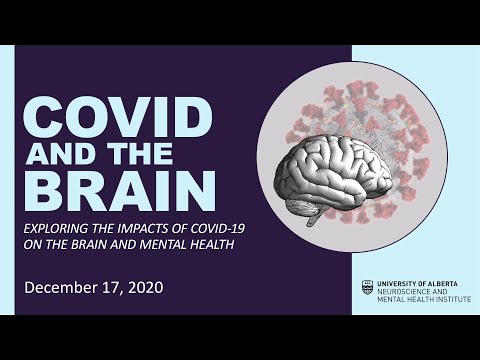
So, let’s talk about COVID-19. You know, that little thing that turned our lives upside down? It’s not just about the virus itself. Seriously, it’s been a massive rollercoaster for our brains too.
I mean, the whole world seemed to hit pause, and we were left figuring things out while everything felt off-kilter. You’ve probably felt it—anxiety creeping in or maybe just a foggy head when you try to focus.
And it’s not just us. Studies are showing way more folks dealing with mental health stuff like anxiety and depression since all this started. It’s wild how something invisible can have such a visible impact on our minds and moods.
So, let’s break down what’s happening in our heads during these crazy times. You with me?
Unveiling the Long-Term Cognitive and Psychiatric Impacts of COVID-19: Key Findings from Recent Research
The pandemic hit us hard, didn’t it? It changed everything, including how we think and feel. Recent studies show that COVID-19 can have some pretty significant long-term cognitive and psychiatric impacts. Let’s break that down.
First off, many people who had COVID-19 experienced memory problems. It’s like their brains were in a fog. Imagine trying to remember where you left your keys but just coming up blank. That’s how it feels for some folks months after recovery. This isn’t just a byproduct of being sick; research suggests that the virus can actually affect brain function.
Then there’s the issue of anxiety and depression. Even those who didn’t get super sick report feeling more anxious or down than before. This makes sense, given all the uncertainty around during the pandemic. A lot of people found themselves isolated or worried about loved ones, which exacerbates feelings of loneliness and sadness.
Another key point is something scientists call “brain fog.” This term pops up a lot when discussing long-COVID symptoms. People describe it as feeling mentally drained, struggling to focus on tasks they once handled with ease. It’s frustrating when you can’t concentrate on your favorite book or binge-watch a series without losing track.
And get this—there’s evidence showing that even younger adults aren’t immune to these effects. A study revealed that young people who had COVID-19 reported cognitive difficulties similar to older populations experiencing age-related decline. That’s sobering when you think about what this means for education and work going forward.
Also, let’s not forget about those who were hospitalized; they’re at higher risk for developing psychiatric disorders, including PTSD and mood disorders, even months later. Imagine being in a situation where you thought you might die, then coming out of it with constant reminders—I mean, that takes a toll!
Some studies indicate changes in brain structure too! Scans showed reduced gray matter volume in areas linked to memory and decision-making among those recovering from COVID-19. It sounds intense because it is! When your brain’s structure changes, it can impact how you think and feel for an extended period.
Lastly, finding help can be tricky. Many healthcare systems are still catching up with the mental health wave brought on by the pandemic. If you’re feeling off after recovering from COVID-19, remember it’s okay to reach out for support—whether through therapy or community resources.
So yeah, while we’ve learned a ton about COVID-19 itself—the virus and its physical symptoms—the mental health fallout is another huge chapter yet to be fully understood.Finding ways to process all these changes will be key moving forward.
Exploring the Impact of COVID-19 on Cognitive Abilities: What You Need to Know
The COVID-19 pandemic has shaken up our lives in so many ways, and not just physically. You might have heard about “brain fog” and how it’s been affecting people. So, let’s talk about the impact of COVID-19 on cognitive abilities and what you really need to know.
First off, **cognitive abilities** are our mental skills. That includes memory, attention, problem-solving, and all that good stuff we rely on daily. When people caught COVID-19, many started reporting issues like trouble concentrating or remembering things. It’s like your brain is in a haze sometimes.
Now, why does this happen? Well, there are a few things to consider:
- Inflammation: The virus can cause inflammation in the body and brain. This can mess with how neurons function.
- Lack of oxygen: In severe cases, some people experienced low oxygen levels. Our brains love oxygen; without it, things get tricky.
- Anxiety and stress: It’s no secret that dealing with COVID-19 brought a ton of stress into our lives. Anxiety can seriously affect focus and memory too.
Here’s where it gets even more interesting. Studies found that even people who had mild cases showed signs of **cognitive decline** afterward. A study published in a journal showed that some individuals experienced changes comparable to aging by several years! Just think about that for a second.
Let me share a quick story: I was chatting with a friend who had COVID last year. Even months later, she’d find herself blanking out during conversations or forgetting simple tasks like grocery lists! It frustrated her so much—it felt very real for her—even if she didn’t lose any physical health.
As we continue to learn about these effects, researchers also try to figure out how long they last. For some folks, issues hang around for weeks and even months after recovery—this is what they call “long COVID.”
Then there’s the good news: Many people do recover cognitive functions over time! It’s not all doom and gloom because the brain is pretty resilient. Plus, engaging in mentally stimulating activities—like puzzles or reading—can help kickstart those cognitive abilities again.
So yeah, the impact of COVID-19 on cognitive abilities is significant but not totally hopeless. It’s essential to take care of your mental health during these times: reach out for help if you need it! More than ever, keeping an eye on how you feel mentally is crucial.
In short? While there’s still so much we don’t know about how long these cognitive impacts might last or why they happen to some more than others, being aware can help you navigate through it better—and you’re definitely not alone if you’ve been feeling this way!
Understanding Long COVID: Exploring Cognitive Impairment and Its Impact on Mental Health
So, let’s talk about Long COVID. You know, it’s that pesky condition that some folks get after recovering from COVID-19. Basically, it means you might still feel symptoms long after the initial infection is gone. And one of the more troubling aspects is cognitive impairment, which can seriously mess with your head.
Cognitive Impairment is all about difficulties with thinking, learning, and memory. People have described feeling foggy, forgetful, or just not «with it,» even months after they’ve tested negative for the virus. You might be thinking, “That sounds frustrating!” and you’d be right.
Imagine this: a friend of mine caught COVID last year. She was sick for a while but thought she’d bounce back once she got better. But weeks turned into months, and she still struggled to concentrate on her job or remember simple things like where she put her keys. It was maddening for her and made everyday tasks feel like climbing a mountain.
So what does this mean for mental health? Well, cognitive impairment can lead to all sorts of emotional issues. When you can’t think straight or keep your mind clear, anxiety levels may spike as you worry about your capabilities at work or in social settings. Depression can creep in too because feeling “off” affects self-esteem and motivation.
Here are some key points that highlight this connection:
Experts are still grappling with why this happens after a viral infection like COVID-19. One theory suggests that inflammation could play a role—like how your body goes into overdrive trying to fight off the virus may inadvertently affect brain function too.
And here’s something really important to note: This isn’t just in people’s heads. Research shows that brain scans of those experiencing Long COVID often reveal changes that aren’t typical in healthy individuals. It’s not just fatigue; there’s real stuff happening neurologically.
If you’re dealing with these issues yourself or know someone who is, there are ways to seek help! Therapy can provide coping mechanisms for anxiety or depression stemming from cognitive struggles. Plus, talking about these feelings is super important—it helps lessen the load when you share it with someone who understands.
In summary, Long COVID isn’t just physical; its impact on mental health through cognitive impairment can be vast and tricky to navigate. Remembering that you’re not alone can help lighten the burden a bit! It’s totally okay to reach out—there’s support out there waiting for you!
Wow, where do I even start with all this? COVID-19 really shook things up for us in ways we might not have realized right away. I mean, it wasn’t just about the virus itself; it felt like a ripple effect hit our minds too, you know?
Take that feeling of uncertainty—like you’re walking on thin ice every day. Suddenly, routines vanished overnight. Remember those early days when everything was constantly changing? Like, one minute you’re planning a weekend out with friends, and the next minute it’s lockdowns and mask mandates. It kinda felt like being in an emotional rollercoaster that wouldn’t stop. So many people found themselves grappling with anxiety and depression as all those usual supports disappeared.
I had this friend who always seemed so upbeat. Then, out of the blue, she started feeling lost and overwhelmed. She’d tell me how hard it was to focus on work when all she wanted was some normalcy. Working from home turned into living at work—boundaries blurred like watercolor paint on a wet canvas. It’s tough to keep your motivation high when your couch is just a few feet away from your desk.
Then there are those cognitive slips we didn’t really think much about before all this chaos began. You know, like forgetting where you put your keys or struggling to find the right words mid-conversation? It’s wild how much stress can affect cognitive function! Studies have shown that prolonged stress literally changes how our brains process information and retain memories. If you’re feeling foggy, don’t beat yourself up; it’s something a lot of us experienced.
And let’s talk about isolation! It impacted our social skills more than we realized. Zoom calls were great (sort of), but they can’t replace face-to-face chats or hugging someone you care about. That lack of connection wore on us; loneliness became a real issue for so many.
So yeah, the effects of COVID-19 reached far beyond just physical health—it got personal for our mental well-being too. We’re still figuring it out, learning how to cope as life slowly returns to whatever this new normal is meant to be. And if you’re having rough patches while navigating these challenges, remember: you’re not alone in this journey. Seriously!