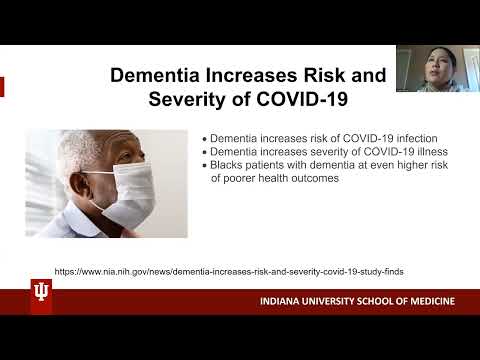
So, COVID-19, right? It turned our worlds upside down. Everyone had to deal with all kinds of changes. We’ll get into the nitty-gritty soon, but one thing that really stands out is how it messed with our minds.
You might’ve noticed feeling foggy sometimes. Or like your brain was just… stuck. You’re not alone in this! A lot of folks have been noticing these cognitive shifts after the pandemic hit.
It’s wild to think our mental health could take a hit from a virus! But here we are, figuring it all out together. So let’s chat about cognitive changes and what they mean for your mental health now. Sound good?
Exploring Cognitive Changes Post-COVID: Understanding Mental Health Impacts
So, let’s talk about something that’s been pretty much on everyone’s mind lately—the way COVID-19 has affected our brains. Seriously, it’s not just about the coughs and fevers. People have been reporting all kinds of cognitive changes, and that can really mess with your mental health.
After recovering from COVID-19, many folks notice things like brain fog. This isn’t just a quirky phrase; it describes that hazy feeling when you can’t think straight or remember where you put your keys. You know what I mean? It’s frustrating! Some people say they can’t concentrate or focus on tasks they used to tackle easily.
- Memory Issues: Some survivors report having trouble with short-term memory—like forgetting appointments or conversations soon after they happen. It’s like your brain is a computer trying to open too many tabs at once!
- Slower Processing Speed: You might feel like your brain is running in slow motion. Tasks that used to take you minutes can feel like hours.
- Mood Changes: Feelings of anxiety or depression have also spiked. It’s not uncommon to feel overwhelmed by emotions you can’t quite explain.
I remember chatting with a friend who had COVID last year, and he was saying how he felt utterly lost during work meetings. Ideas didn’t flow like they used to, and he found himself zoning out more often than not. That was tough—it made him doubt his abilities and his confidence took a hit.
The science behind all this is still unfolding, but researchers think it’s related to how the virus impacts the brain’s pathways and chemistry. Stress levels play a huge role too! When you’re dealing with stress or anxiety from illness—or even fear of getting sick—it can basically scramble your brain’s functions.
Mental health issues, like depression and anxiety, seem to make those cognitive changes even more pronounced. It’s kind of a vicious cycle: feeling anxious makes it harder to focus, which then leads to more anxiety because you’re worried about not performing well. And suddenly you’re stuck in a loop!
If you’ve experienced any of these cognitive bumps post-COVID, you’re definitely not alone—many are dealing with similar issues. It’s key to keep communication open with friends or mental health professionals if feelings of confusion or sadness linger for too long.
Taking care of your mental health has never been more crucial. Consider practical strategies: mindfulness exercises could help clear the fog; regular check-ins with loved ones are important too—as connection has huge benefits for emotional well-being.
In short? The aftermath of COVID-19 isn’t just physical; it plays tricks on our minds as well. Staying aware of these changes can help us find ways through them together.
Exploring the Impact of COVID-19 on Mental Health: Key Insights and Long-term Effects
COVID-19 didn’t just affect our physical health; it hit our mental well-being hard, too. Like, think about it: the constant uncertainty, isolation, and changes to daily life left many of us reeling. The impact on mental health has been profound and is still unfolding, especially when it comes to cognitive changes.
One key area of concern is cognitive function. Many people report issues with memory, attention, and problem-solving after battling COVID-19. Imagine trying to focus on a task but your brain feels foggy—like you’re walking through a thick cloud. It’s frustrating, right? This phenomenon is often referred to as “brain fog.” Research shows that even mild cases can lead to noticeable cognitive difficulties.
Another big player in this mental health scene is anxiety. You might have noticed heightened worries about your health or that of loved ones. The thing is, the pandemic created a perpetual state of stress for many. Constantly scrolling through news updates can keep those anxious thoughts alive. Some ended up feeling stuck in a loop of panic over what could happen next.
Depression isn’t far behind either. Social distancing measures meant many felt isolated and disconnected from their social circles. I remember talking with a friend who usually thrived in social settings but found themselves feeling muted and withdrawn during lockdowns. That lack of connection can really take a toll on your emotional well-being—it’s like losing pieces of yourself over time.
And let’s not forget about PTSD. Some may experience symptoms after going through severe illness or witnessing loss during the pandemic. Flashbacks, nightmares, and overwhelming feelings of sadness aren’t uncommon for those affected deeply by the crisis.
Now looking at the long-term effects: experts worry that these mental health challenges could stick around for years. It’s like putting a pebble in your shoe; if you don’t address it right away, that little annoyance can become seriously painful over time.
Treatment options are evolving, thankfully! Therapy is becoming more accessible online, which helps break down barriers for many folks needing support. Plus, there’s more awareness around mental health issues now than I’ve seen before—so advocating for our needs feels more encouraged.
To wrap things up: COVID-19 reshaped our experiences with mental health profoundly. From cognitive impairments like brain fog to increased rates of anxiety and depression—and even PTSD—the effects have been wide-reaching and personal for so many of us out there navigating this new normal together. You’re not alone in this—you’re part of a bigger movement pushing toward healing and understanding as we continue down this road!
Exploring the Link Between COVID-19 and Rapid Onset Dementia: What You Need to Know
COVID-19 has turned our lives upside down in many ways, and it’s not just the physical health issues we’ve had to deal with. Recently, there’s been growing attention on how this virus might affect our brains, leading to a condition known as rapid onset dementia. You might be wondering what that even means, right? Well, let’s break it down.
What is Rapid Onset Dementia?
Basically, rapid onset dementia refers to a quick decline in cognitive function. This can mean problems with memory, thinking, or reasoning that seem to show up out of nowhere. For some folks, this decline can happen within weeks or months rather than years.
Now the connection with COVID-19 comes from some unsettling reports. People recovering from COVID have shared experiences of feeling foggy-headed or forgetful. It’s like their brain isn’t firing on all cylinders anymore. Some studies suggest that up to 30% of people infected might experience these cognitive changes after they recover from the virus.
How Does COVID-19 Affect the Brain?
There are a few theories floating around about this link. One possibility is the inflammation caused by the virus. When you get sick, your body goes into overdrive trying to fight off the germs. But sometimes that inflammation can affect brain cells too—leading to issues like confusion and memory loss.
Another angle is related to oxygen levels. If someone gets severely sick with COVID-19, they might struggle to breathe properly for a while. This lack of oxygen can definitely impact brain health over time.
Here are some key points regarding cognitive changes after COVID:
- Mental Fog: Many folks report difficulties focusing or thinking clearly.
- Anxiety and Depression: These feelings have spiked during and after illness; stress impacts cognition.
- Memory Issues: Forgetting simple things becomes more common; tasks you once breezed through might suddenly feel challenging.
- Social Withdrawal: Feeling anxious can lead some to avoid friends and family; isolation isn’t great for mental sharpness.
So yeah, it’s pretty clear there’s something going on here that we need to pay attention to. A friend of mine who had a rough bout with COVID mentioned struggling with conversations months later—she’d lose her train of thought mid-sentence!
If You’re Concerned
If you or someone you know is dealing with these issues post-COVID, it’s totally worth talking about it with a healthcare professional. It doesn’t mean you’re doomed; early intervention can help address these cognitive changes before they escalate further.
It’s also essential to remember that recovery looks different for everyone. Just because you’ve had cognitive bumps doesn’t mean you’ll develop dementia—but awareness is key! Keeping tabs on your mental health and staying connected with loved ones can make a big difference in keeping your mind sharp during tough times like these.
In short, while rapid onset dementia post-COVID isn’t something everyone will face, it’s real enough that we should keep an eye on how our brains are handling life after the pandemic. Stay curious, stay informed—and take care!
So, let’s talk about how COVID-19 has messed with our heads a bit, especially when it comes to cognitive changes. It’s wild to think about how, just a few years back, we were all living our lives without much of a care in the world. Then boom! The pandemic hit us like a freight train.
You ever found yourself staring at your phone or computer screen, like trying to remember what you were even looking for? Yeah, that’s something many people have noticed since the pandemic started. A friend of mine once shared how she felt really “foggy” after recovering from COVID-19. She’d forget simple things and struggled to concentrate on work like she used to, leaving her feeling more anxious and frustrated.
This cognitive fog—sometimes called «brain fog»—isn’t just an effect of being sick; it can stem from the stress and isolation we went through during lockdowns too. You know how when you’re constantly worried about your health or finances? That stuff piles up in your brain and sort of clogs everything up.
And it’s not just the virus itself that messes us up. Think about it: everything changed so fast, right? We had to learn new ways to communicate and work remotely. Social connections suffered because, well, we had to keep our distance from friends and family. All that isolation can cause feelings of loneliness which might lead also to cognitive changes over time.
Now here’s the tough part. These kinds of changes can seriously impact mental health too. If you’re struggling to think clearly or remember things, it’s bound to make you feel down and anxious. It’s like this vicious cycle where one issue feeds into another.
But hold on, it’s not all doom and gloom! Many people are finding ways to adapt and cope with these changes—whether that’s through therapy or just connecting more with others again when they can. Finding some structure in your daily life can help too; things like setting small goals or sticking to a routine might help clear that foggy feeling over time.
In essence, while COVID-19 has thrown our brains into a bit of a tizzy, it’s important for everyone who feels these cognitive shifts to know they aren’t alone—and there are ways forward! Remembering that it’s okay not to be okay sometimes is part of healing as well; we’re all figuring this out together, one day at a time.