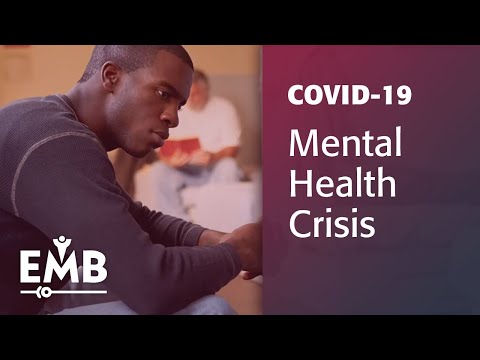
Hey, you! So, can we just talk about how wild these past few years have been? Covid turned everything upside down, right?
I mean, one day we’re living our lives, and the next, we’re stuck at home in pajamas for weeks. Seriously, what was that all about?
And it’s not just about the virus itself. The whole vibe has shifted—feeling anxious, isolated, or just plain weird became a norm. Do you find yourself scrolling through social media more than ever? Yeah, me too!
So let’s dive into this thing together. We’ll chat about how Covid has really shaken up our mental health and what we can do to cope with it all. Sound good? Cool!
Exploring the Lasting Impact of COVID-19 on Mental Health: A Comprehensive Analysis
The COVID-19 pandemic flipped our lives upside down. One minute, things felt pretty normal, and the next, we were all stuck at home, trying to figure out what just happened. This sudden change has had a huge impact on our mental health—something that many of us are still grappling with today.
First off, let’s talk about increased anxiety. It’s no surprise that a global health crisis can freak people out. You could be scrolling through the news and suddenly hit with this wave of worry. What if I get sick? What if my loved ones do? Those thoughts can spiral quickly, leaving you feeling overwhelmed.
Then there’s depression. With the lockdowns and social distancing measures in place, many people felt isolated and lonely. Think about it: suddenly not being able to meet up with friends or family takes a toll on your spirit. You start missing those little moments—like grabbing coffee or just hanging out.
A lot of us also faced changes in routines. Working from home became the norm for many—great for wearing pajamas all day but tough when it comes to keeping our mental wellness in check. With blurred lines between work and home life, burnout became a real issue. You might find yourself working late into the night or struggling to get motivated in the morning.
Let’s not forget about grief, either. Many lost loved ones during this time, which is heartbreaking enough. But then add layers of restrictions on funerals and gatherings; it made grieving harder than ever. People were left feeling like they couldn’t even process their emotions properly.
Also interesting is how community support shifted during this time. While some folks found new ways to connect—like virtual hangouts or online support groups—others felt completely cut off from their usual safety nets like therapy sessions or community events.
Anecdotally speaking, I remember chatting with a friend who was always the life of the party before COVID hit. She told me how much she struggled when everything shut down; she ended up feeling really lost without her usual activities and social circles to fall back on. It took her a while to figure out new ways to cope and connect again.
So yeah, coping with these impacts isn’t straightforward for anyone involved. We’ve got to be kind to ourselves as we navigate through this mess together.
In summary:
- Anxiety: Heightened fears about health and safety.
- Depression: Increased feelings of loneliness due to isolation.
- Routine changes: Blurring lines between work/home life leading to burnout.
- Grief: Difficulty processing loss without traditional mourning rituals.
- Community support: Shifts in how we connect impacted mental wellness.
The lasting effects of COVID-19 on mental health are significant but not insurmountable. A lot of healing can happen when we allow ourselves space—not only for improvement but also for connection with others who understand what we’re going through. And that’s something worth holding onto as we move forward!
Exploring the Impact of COVID-19 on Student Mental Health: Challenges and Adaptations
COVID-19 shook up life as we knew it, didn’t it? For students, this change was especially tough. Picture this: one day, you’re surrounded by friends in a bustling classroom, and the next, it’s all online. This sudden shift took a serious toll on mental health.
Isolation played a huge role. Students were separated from their social circles. Many felt lonely or even abandoned. You know that feeling when you walk into a room and realize no one is there? That’s kind of how many students felt throughout lockdowns. The lack of peer support made everything harder.
Then there’s the whole stress from uncertainty. Kids were juggling online classes while also worrying about family health, future plans, and what would happen next. It was like trying to do homework on a rollercoaster—constantly moving and uncertain. Who wouldn’t feel overwhelmed?
Anxiety levels skyrocketed. For some, daily tasks became monumental challenges. Students had trouble concentrating on assignments or even getting out of bed some days. Missing deadlines led to feelings of inadequacy because everything felt so different.
Let’s talk about changes in routine. Routines are essential for mental well-being, right? But with schools closing and extracurricular activities getting canceled, students lost that structure they relied on. Even simple things like having lunch with friends became a distant memory.
Some adapted by finding new ways to connect. Video calls became lifelines. Group study sessions over Zoom or FaceTime helped bring back some sense of community—at least for some folks. Others turned to social media more frequently but often found it was a double-edged sword. Sure, they were connecting with friends, but they also faced the pressure of endless comparison.
Also worth mentioning is the shift in academic expectations. With everything going digital so fast, teachers struggled too! Some were able to adjust quickly while others didn’t quite manage it well—leading to mixed results for students regarding grades and learning experiences.
And let’s not forget how boredom took over. With no sports or gatherings to look forward to, many students faced burnout from just staring at screens all day long without any break or excitement in their lives.
Now here’s the silver lining: many schools started ramping up support systems during the crisis. More counselors began offering virtual sessions because mental health became an urgent priority when everyone realized just how overwhelming everything really was.
So yeah, while COVID-19 brought its fair share of chaos for student mental health, adaptability also shone through in creative ways people found to cope together—even from afar! Ultimately though, there’s still work ahead as we figure out how best to support students who are continuously navigating these uncharted waters of life post-pandemic.
Exploring the Impact of COVID-19 on Mental Health: A Comprehensive Research Paper PDF
The COVID-19 pandemic has really turned our lives upside down, hasn’t it? It’s not just the isolation and health concerns; it’s also how this whole situation has affected people’s mental health. Many folks have faced anxiety, depression, and even post-traumatic stress. And it’s no surprise that research has started pouring in to explore these impacts.
Increased Anxiety and Depression: A lot of studies show a significant rise in anxiety and depression during the pandemic. People have been worried about getting sick, losing jobs, and being unable to connect with loved ones. Imagine being stuck at home when you’re used to a bustling social life. That disconnect can be really tough on mental health.
Social Isolation: The restrictions on gathering and staying social were hard for many. Exercise routines got disrupted, family gatherings weren’t happening, and loneliness crept in like an unwanted guest. Not everyone has the access or ability to stay connected virtually either. When you can’t see friends or family face-to-face for months on end, it can lead to feelings of sadness or hopelessness.
Impact on Kids and Teens: Let’s not forget about younger folks. Schools closed down, which changed their whole routine—no more hanging out with friends between classes or playing sports after school. A lot of kids have struggled with remote learning too; lacking motivation and feeling disconnected from their peers has taken a toll on their emotional well-being.
- Increased Screen Time: Sure, technology helped us stay connected but too much screen time? That came with its own issues! Sleep problems spiked as kids stayed up late gaming or scrolling through social media.
- Addiction Issues: Some people turned to substances or unhealthy habits as coping mechanisms. You know how a bottle of wine might feel comforting after a long day? Well, for some, that comfort turned into dependency.
Coping Strategies: Luckily, people have found various ways to cope! Exercise became more popular as a way to manage stress; yoga at home? Totally a thing! Others discovered new hobbies like baking bread (who knew we’d all become bakers overnight?). Engaging with creative outlets also helped many express what they were feeling inside.
Mental Health Resources: Therapists adapted quickly too by offering online sessions. Suddenly you could talk about your feelings without leaving your couch! Digital therapy options surged as people recognized the need for support during such uncertain times.
- Mental Health Hotlines: They became lifelines for many who needed someone to talk to—sometimes just chatting with a stranger could make all the difference!
- Psychoeducation: There was an influx of information online about mental health resources which helped raise awareness about coping strategies—like mindfulness exercises or breathing techniques.
You know what’s interesting? Even as vaccines rolled out and things started going back to normal, many folks still felt lingering effects of anxiety. The fear of diving back into “normal” life often led them wondering if they would cope well once everything opened up again.
The take-home message is clear: the pandemic shook our mental health in ways we’re still trying to understand fully. Paying attention to those feelings is key! You’re not alone if you’ve struggled during this time; lots of us have faced similar challenges but it’s important that we keep communicating about mental well-being moving forward!
You know, it’s hard to believe how much life has changed because of COVID-19. We all went from normal routines—like grabbing coffee with friends or hitting the gym—to staying at home, scrolling through the news, and feeling a constant sense of unease. It’s pretty wild how something so invisible can shake us up so deeply.
I remember talking to a friend who always seemed upbeat. She suddenly felt trapped, overwhelmed by uncertainty and isolation. It hit her harder than she expected. Just like that, we found ourselves navigating new emotional landscapes filled with anxiety and loneliness. So many people started talking about feeling restless or like they were in a fog. Honestly, who could blame them?
Coping during this time hasn’t been easy for anyone. I mean, we’ve all had to find ways to adapt and manage our mental health while juggling work-from-home situations or online classes—all while missing out on those little joys of life. Some turned to meditation apps, others started baking sourdough (seriously, what was up with that?), while some just reached out more often to family and friends through video calls.
And let’s be real; it wasn’t just the isolation that weighed us down. The stress and fear over the health crisis itself were everywhere we turned—on our screens, in conversations, you name it! It’s like there was this heavy cloud hanging over our heads. You follow me?
For me personally, I found solace in small things—taking walks outside or diving into books I’d meant to read forever. Those moments were grounding; they reminded me there was still beauty in the chaos around us. Reconnecting with nature—even if it was just my backyard—felt like a breath of fresh air.
But it’s important to recognize that not everyone copes the same way. Some might need professional help or therapy when things feel too heavy to carry alone; there’s no shame in that! Finding someone who gets what you’re going through can change everything.
As we start moving forward together (whatever that looks like), let’s keep checking in on each other and ourselves too. Mental health isn’t just a checkbox on a list; it’s an ongoing journey filled with ups and downs. And hey, even when times are tough, there’s always hope waiting for brighter days ahead!