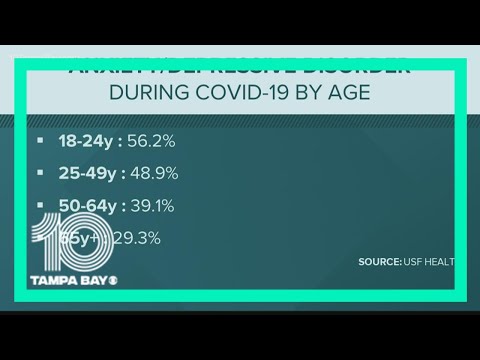
You know, it’s wild how much this whole Covid thing has changed our lives. It’s like, one minute you’re just living your day-to-day, and the next you’re stuck at home in sweatpants. Sound familiar?
A lot of people have been feeling pretty down lately. It’s not just boredom or cabin fever. Seriously, it’s more than that. The term «Covid depression» has popped up a lot, and for good reason.
So what exactly are the symptoms? And how do they mess with our heads? Let’s chat about it!
How COVID-19 Impacts Mental Health: Understanding the Psychological Effects of the Pandemic
The COVID-19 pandemic has affected every part of our lives, and our mental health definitely isn’t immune to its impact. Seriously, it’s like a dark cloud that loomed over everything. Many people found themselves feeling more anxious, isolated, or just plain down.
First off, let’s talk about **COVID depression symptoms**. When you’re cooped up at home for what feels like forever, you might notice changes in your mood. Symptoms can include:
- Persistent sadness or low energy
- Loss of interest in activities you once loved
- Poor concentration or difficulty making decisions
- Sleep disturbances—either too much or not enough
- Changes in appetite or weight
- Feelings of hopelessness or worthlessness
I remember talking to a friend who used to be super social and bubbly. Suddenly, after months of lockdowns and restrictions, she felt like she was stuck in a haze. She’d wake up with no motivation to do anything—her hobbies? Forgotten! It’s heartbreaking how quickly this can creep up on someone.
But it’s not just depression; anxiety took a serious hit too. The fear of getting sick—or worse—was real for many people. Worrying about loved ones amplified that anxiety. You know that feeling when your heart races just thinking about something stressful? Imagine living with that all the time because you’re constantly uncertain about the future.
Then there’s the sense of isolation. Social connections are huge for our mental well-being; they help us feel grounded and supported. When we were forced to keep distance from friends and family, many felt completely alone. Phone calls and video chats just didn’t cut it for everyone, trust me on this one.
It’s also important to note how these experiences varied among different groups of people during the pandemic. For instance, frontline workers faced unique challenges—they dealt with high-pressure environments plus emotional strain from witnessing so much suffering firsthand. The weight they carried is hard to fathom.
Another thing worth mentioning is how **economic stress** played into all this as well. Job losses and financial insecurity added another layer of worry for countless families. That uncertainty can feel suffocating and lead to feelings of helplessness.
Taking care of mental health during such chaotic times became a priority—at least it should have been! People started finding ways to cope: some turned to online therapy while others tried mindfulness practices or creative outlets like painting or journaling.
The bottom line here is clear—the impact of COVID-19 on mental health has been significant and multifaceted. Recognizing these effects is crucial as we move forward because understanding is the first step toward healing.
If you’re feeling any signs mentioned above, don’t hesitate to reach out for support—you deserve care too!
Exploring the Impact of COVID-19 on Mental Health: Does the Virus Alter Mental Status?
So, let’s talk about COVID-19 and its impact on mental health. This isn’t just a passing thing; the virus has made a lot of people feel different, and it’s pretty alarming. You know how during those lockdowns, everything changed? People faced social isolation, job loss, and constant uncertainty. It’s like we were all living in this weird, stressful bubble.
Research shows that COVID-19 has definitely altered mental status for many individuals. Feelings of anxiety and depression skyrocketed. Imagine being stuck at home for weeks on end, worrying about getting sick or losing loved ones. It’s enough to make anyone feel overwhelmed.
- Anxiety disorders became more common as folks worried about their health and the future.
- Many experienced increased symptoms of depression, often feeling hopeless or helpless.
- There was a significant rise in PTSD symptoms, especially among essential workers who faced heightened stress daily.
The emotional toll didn’t just affect adults; kids felt it too! Studies showed that children reported feelings of sadness and loneliness due to missing out on school activities and socializing with friends. That connection is vital for them, you know?
A quick personal story—one friend told me how they felt completely lost after being isolated for months during the height of the pandemic. They had been so vibrant before, but suddenly they found themselves in this fog of sadness. It really showed me how our mental state can shift dramatically when our environment changes drastically.
The second wave was hitting people hard with job losses too. Financial stressors kicked in alongside the emotional ones. Imagine being concerned not just for your health but also how you’re going to pay rent or put food on the table? That kind of stress is suffocating!
- Coping mechanisms turned into lifelines—many people relied on virtual therapy sessions.
- Mindfulness apps gained popularity as folks sought ways to manage anxiety at home.
- Creative outlets, like art or writing, became therapeutic ways for many to express their emotions.
The bottom line? COVID-19 isn’t just a physical illness—it’s deeply impacted our psychological well-being. For a lot of us, it feels like we’re still untangling from all it brought into our lives. Recognizing these feelings is crucial; connecting with someone who understands can be such a relief! If you’re feeling off or struggling in any way, don’t hesitate to seek help—it’s not just okay; it’s necessary!
Understanding Post-COVID Psychological Disorder: Key Symptoms to Watch For
Understanding Post-COVID Psychological Disorder is something that many people are dealing with these days. The pandemic turned our lives upside down, didn’t it? With isolation, uncertainty, and loss, it’s no surprise that mental health has taken a hit for so many. Let’s dive into some key symptoms of what you might be feeling.
One major issue is **COVID depression**. It can creep in slowly or hit you all at once. You might notice feelings of sadness that just won’t shake off, or maybe you feel like you’re stuck in a loop of negativity.
Here are some common symptoms to watch for:
So, what happens when these symptoms hang around for a while? If they do persist, it might lead to more serious conditions such as **Post-Traumatic Stress Disorder (PTSD)** or even a chronic depressive disorder. You could feel like you’re navigating through fog with no clear direction.
Let me share a quick story to illustrate this. A friend of mine, after losing his job during the pandemic, started withdrawing from everyone. He felt hopeless and avoided calls from friends because he didn’t want to talk about how he felt out of control. Over time, this led him into a dark place where he couldn’t see the light anymore. What’s wild is that just talking about it helped him realize he wasn’t alone.
Recognizing these symptoms in yourself or someone else can really make a difference! Awareness is key here—you don’t have to suffer alone.
If you find yourself experiencing any of these signs long-term, reaching out to someone—a friend, family member, or mental health professional—can be crucial. Talking things out can help rebuild that sense of connection we all need.
Remember: it’s okay not to feel okay sometimes; admitting it is the first step toward healing. Seriously though, take care of yourself!
You know, it’s been quite the rollercoaster these past few years with all the chaos from COVID-19. Remember those days when we were told to stay home? Yeah, it sounded nice at first—like a break from the grind, right? But then, as time dragged on, something started to shift in a lot of us. I’ve spoken to friends who felt this weight hanging over them, and it really got me thinking about how deeply this pandemic has affected our mental health.
So let’s chat about “COVID depression.” It’s no surprise that many people felt symptoms like sadness and anxiety spike during lockdowns. It’s like our whole social lives flipped upside down overnight. You couldn’t hang out with pals, big gatherings became a distant memory, and even going grocery shopping turned into an expedition filled with stress. You might have experienced feelings you hadn’t had before—like irritability or even just a constant sense of dread.
I remember talking to a buddy who used to be super outgoing; he mentioned feeling lonesome even when he was at home with his family. That was eye-opening! There was also this pervasive feeling of uncertainty tugging at everyone’s minds. Basically, you’re not just worried about getting sick; you’re stressing over job security or if your loved ones are okay.
And that pressure can lead to significant psychological effects. Things like trouble concentrating or feeling exhausted all the time can creep in without you even noticing it. One minute you’re binge-watching your favorite show, and the next you’re staring blankly at the screen for what feels like hours.
But here’s the thing: it’s okay to feel down right now! Emotional upheaval is a totally normal reaction given everything we’ve faced together. Acknowledging these feelings is super important—it helps break some of that stigma around mental health struggles.
But if those feelings linger too long or become overwhelming, reaching out for help can make all the difference. Whether it’s chatting with friends, seeing a therapist, or even exploring new hobbies—it doesn’t have to be all doom and gloom.
So yeah, COVID has thrown us for quite a loop emotionally. It’s messy and confusing but remember you’re not alone in this struggle. Talking it out can really lighten that emotional load we’ve all been carrying around since 2020—or whenever your pandemic story started!