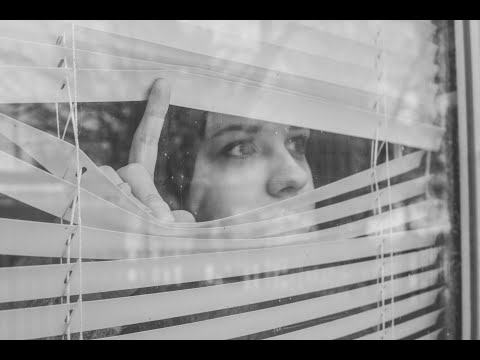
You ever get that feeling in your gut? Like something’s off? It’s not just you.
Cultural paranoia might sound like a fancy term, but it’s real. Many of us live in a world where trust feels like a luxury. You know what I mean?
Everywhere you turn, there’s news that makes you raise an eyebrow. People are skeptical of each other and institutions alike. It’s exhausting, right?
This kind of mindset seeps into how we feel about ourselves and others. It shapes our mental health in ways we don’t even realize.
Let’s chat about it—why it happens, how it affects us, and what we can do to navigate through this maze of distrust. Sound good?
Understanding Cultural Paranoia: Insights into Collective Psychological Responses
Cultural paranoia is a real thing, and it’s pretty important to understand, especially in today’s world. Basically, it refers to a collective sense of distrust that arises from shared experiences within a specific cultural or social group. You know, when a group of people feels like they’re constantly being watched or judged based on their identity?
What causes cultural paranoia? Well, think about historical events where marginalized groups have faced discrimination or oppression. This can create a culture of fear and suspicion. Imagine living in a community where your people have faced systemic racism or violence. Over time, those experiences shape how individuals see the world around them.
It’s about survival. People develop paranoia as a way to protect themselves. When you’ve experienced or witnessed injustice, your instinct kicks in—you become hyper-aware of potential threats. For instance, if you belong to a community that has been targeted by law enforcement, you might feel anxious whenever you see police officers nearby, even if they’re just doing their job.
Now let’s break down some aspects of this idea:
- Collective Trauma: This is huge. When a whole group has lived through traumatic experiences—like genocide or colonialism—it influences their mental health across generations.
- Stereotypes and Misrepresentation: How media portrays certain communities can reinforce negative beliefs and fears. For example, if news outlets constantly depict a particular race as criminals, it fosters mistrust not just towards the media but also from within the community itself.
- Social Isolation: Sometimes groups feel cut off from broader society because they think no one understands their struggles. That isolation can amplify feelings of paranoia.
- Coping Mechanisms: People might develop strategies to cope with this distrust—like relying solely on their own communities for support and information instead of engaging with wider society.
And here’s an emotional touch—imagine growing up in a neighborhood where everyone shares similar fears and suspicions about outsiders. A friend once told me how her family would tell her not to trust anyone who wasn’t part of their community because “they just don’t get it.” It was like living in this bubble where everyone was on high alert.
Another important point? Cultural paranoia doesn’t just affect individuals; it impacts communities too. Mistrust can hinder collaboration and solidarity among groups that should really be working together against common issues like inequality and injustice.
So what do we do? Acknowledge these feelings instead of brushing them off as irrational fears. We need conversations that meet people where they’re at—talking openly about trauma and history while working towards building trust both within communities and with the larger society.
In sum, cultural paranoia is complex but vital to address in understanding mental health today. It helps us grasp why certain groups may feel defensive or suspicious even when there doesn’t seem to be an immediate threat around them—because for many people, the threat is all too real based on lived experiences.
Understanding Bizarre Delusions: Examples and Insights into Unusual Mental States
Alright, let’s talk about bizarre delusions. They can be really confusing, both for the person experiencing them and for those around them. So, what are delusions anyway? Well, they’re basically strong beliefs that don’t align with reality. Even when presented with clear evidence to the contrary, a person holding a delusion just won’t budge. It’s like trying to convince someone their favorite song doesn’t exist; no amount of reasoning changes their mind.
But not all delusions are the same! There are some truly strange ones out there. For instance, some people might believe they are being watched or followed by government agents. This is often called **paranoia**—a type of delusion where trust in society breaks down. You know that feeling when you think someone’s watching you? Imagine feeling that way all the time. Now that can be exhausting!
Another example includes **grandiose delusions**, where an individual believes they have special powers or are famous in some way—like thinking they’re an undercover superhero or the reincarnation of a historical figure. Talk about a wild ride! It’s not just fantasy; for them, it feels completely real.
You see, cultural factors play a big role too! In societies full of distrust or fear, people may develop these unusual mental states more frequently. Take paranoia: in communities where there’s a high tension between different groups—maybe due to politics or social issues—people might start seeing threats everywhere. This isn’t just about personal experiences; it reflects a broader societal mindset.
Now let’s dig into how these bizarre thoughts manifest:
- Isolation: Trust issues can lead individuals to withdraw from relationships and social situations.
- Misperceptions: They might misinterpret innocuous actions as sinister plots against them.
- Anxiety and Fear: You bet these beliefs can ramp up anxiety levels and create constant fear.
If we take a moment to step back and think about this: imagine living as if every stranger could be part of some grand conspiracy against you. That creates not just emotional distress but also impacts day-to-day functioning.
Now, let me share something personal here—I’ve spoken with someone who was convinced their neighbor was spying on them through cameras hidden in everyday objects like plant pots! The thought alone made their life so difficult; they wouldn’t even go outside anymore because of this belief. Look at how one idea can spiral out into many layers of distress.
And what about treatment? That’s tricky! Therapy often focuses on building trust first before addressing the inner turmoil caused by these delusions. Medication can help too—although finding the right balance is key because not all drugs will work for everyone.
So there you have it! Bizarre delusions peek into how our minds can sometimes get warped by larger cultural themes around us, leading us down those complicated paths of paranoia and distrust in society. It reminds us how important connection and understanding truly are—even when things seem totally off-kilter.
Understanding Delusional Paranoia: Signs, Symptoms, and Treatment Options
Delusional paranoia can feel like a really heavy weight to carry. Imagine living in a world where you constantly feel like people are out to get you, even when there’s no real evidence. This kind of paranoia goes beyond just feeling suspicious. It’s like wearing a pair of glasses that filters everything through fear and mistrust.
So, what are the signs? Well, it starts with an intense belief that others are plotting against you, or maybe manipulating situations to harm you. You might find yourself constantly checking your surroundings or questioning people’s motives in conversations. Here’s where it gets tricky: these beliefs aren’t just fleeting thoughts; they’re firm and unshakeable, even when faced with facts that contradict them.
- Feeling excessively anxious or tense about things that seem harmless to others.
- Regularly interpreting benign comments as personal attacks.
- Seeing patterns in people’s behavior where there aren’t any; for instance, thinking someone is whispering about you or laughing at your expense.
It can be exhausting! Picture your friend Sam. He used to be the life of the party, but lately, he’s convinced everyone at work is plotting against him. He won’t go out because he thinks people are following him home. It’s heart-wrenching to watch him struggle like this.
Now let’s talk symptoms. These can vary from person to person but often include feelings of hopelessness and isolation. It’s not just about being wary of others—it’s also feeling trapped in this mindset that no one can relate to or understand your fears.
- Struggling with daily tasks due to overwhelming anxiety.
- Difficulty forming or maintaining relationships due to mistrust.
- A constant state of hyper-vigilance—always on edge and ready for something bad to happen.
When it comes to treatment options for delusional paranoia, a multi-faceted approach typically works best. You might hear about therapy and medication together.
Cognitive Behavioral Therapy (CBT) is one common method used here. Essentially, it’s all about helping you challenge those negative thoughts and beliefs in a safe space. You learn techniques to cope with anxiety and slowly start viewing situations differently. Maybe if Sam had access to CBT, he could recognize his thought patterns weren’t reality.
On the medication side of things, antipsychotics may be prescribed if the delusions are severe enough—though it really depends on individual circumstances and should always be handled by professionals.
Remember too the role of culture in shaping how we experience paranoia. Sometimes living in environments filled with distrust can amplify feelings of suspicion—like if you’ve grown up hearing stories about betrayal and negativity around every corner.
It’s super important for folks dealing with this kind of mental health issue to feel supported by friends, family, or professionals who truly understand what they’re going through without judgment. Healing takes time! So if you or someone you know is grappling with these feelings, reaching out for help isn’t just okay—it’s necessary!
In short: Delusional paranoia isn’t just some random feeling—it can impact everything from relationships to day-to-day life choices. But understanding it better is key so we can support each other through those tough times!
Cultural paranoia is, like, this really interesting and heavy concept. It’s about living in a world where distrust seems to be the norm. You know how sometimes you just feel like everyone’s out to get you? Whether it’s news stories about crime or those sneaky ads that seem to know everything about your life, it all adds up. It’s no surprise that we start questioning motives and intentions around us.
Imagine being at a coffee shop, and you see two people talking quietly in the corner. Instead of thinking they’re just catching up over lattes, your mind might race into all sorts of scenarios—are they gossiping about you? Planning something shady? It can feel exhausting to constantly think this way.
I remember chatting with a friend who was convinced her neighbors were spying on her. They had put up cameras for security reasons, but she saw it as an invasion of privacy—like they were always watching her every move. You could feel the tension; it wasn’t just paranoia; it was real anxiety that came from feeling unsafe in her own space.
Cultural factors play a massive role here too. In societies filled with inequality or discrimination, it builds this backdrop of fear. If you’re part of a marginalized group, trusting others can be even tougher when history shows that your kind hasn’t always been treated well. People start to develop this lens where they see threats everywhere because that’s what they’ve learned from their experiences.
The way society communicates these days doesn’t help much either. Social media gives us constant reminders of bad news and negativity, reinforcing fears and suspicions even more. And it’s not just individuals—it spills into communities too, creating divides between groups who might otherwise get along if there wasn’t so much fear floating around.
Healing from cultural paranoia takes time and effort. It’s not easy when distrust feels so ingrained in daily life. Sometimes people need therapy to work through these feelings or even community support systems that promote connection over suspicion. When folks start sharing their stories, vulnerabilities emerge; that’s when real understanding can grow.
But hey, recognizing the problem itself is a huge step forward! We may not eliminate all the doubt out there overnight, but starting conversations about trust is crucial for building healthier communities—ones where empathy replaces skepticism bit by bit. So let’s keep talking about it; don’t stay silent!