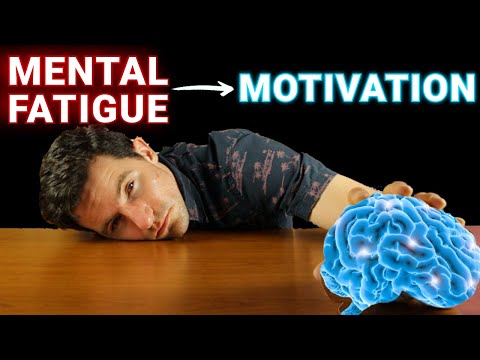
Hey, you ever feel like your brain just hits a wall? Like, you’re trying to focus, but your thoughts are all jumbled up? Yeah, that’s mental fatigue for you.
It’s exhausting. Sometimes, it feels like you’re dragging around a heavy backpack full of rocks. Not fun at all.
But here’s the thing: there are ways to shake that off. Seriously! You don’t have to keep stumbling through your day feeling like a zombie.
Let’s chat about how to revitalize your mind naturally. Because we all deserve that spark back in our lives, right? It’s time to kick that mental fatigue to the curb!
Effective Natural Remedies to Combat Mental Fatigue and Boost Your Energy
Mental fatigue can feel like carrying a heavy backpack, you know? Some days it’s just exhausting to think or focus. Whether you’re juggling work, personal stuff, or everything in between, feeling mentally drained happens to the best of us. So, if you’re looking for natural ways to boost your energy and shake off that fog, I’ve got some ideas for you.
Hydration is crucial. Seriously! When you’re even slightly dehydrated, your brain can feel sluggish. Aim for about 8 glasses of water a day; it might sound like a lot, but carrying a refillable bottle helps keep track. Add some lemon or mint to make it more exciting!
Then there’s nutrition. Your body and brain are like best pals; they need the right fuel to perform well. Think about incorporating foods rich in omega-3 fatty acids—like salmon or walnuts—because they’re fantastic for brain health. Also, don’t forget your fruits and veggies; they’re packed with vitamins that help fight fatigue.
Speaking of food, let’s not overlook snacking. Instead of reaching for chips or sugary snacks that send you on an energy rollercoaster, go for nuts or yogurt. They provide sustained energy without the crash later on.
Another game-changer is exercise. It might seem counterintuitive when you’re tired, but trust me on this one: even a short walk can do wonders for your mood and energy levels! It boosts those endorphins—those lovely little chemicals that make you feel good.
And hey, don’t underestimate the magic of fresh air and sunlight. Getting outside—even just for ten minutes—can refresh your mind. Sunlight helps regulate our internal clocks too; it can improve sleep quality at night!
You could also try some mindfulness practices. Meditation might sound intimidating if you haven’t done it before, but really it’s just about being present and quieting your mind for a bit. Even five minutes can clear things up enough to give you that mental boost.
Finally, consider adding some natural supplements like ashwagandha or rhodiola rosea to the mix if you’re feeling adventurous (but hey—always check with someone before starting something new). These herbs are known to help combat stress and fatigue.
Look, tackling mental fatigue doesn’t need fancy tricks; often it’s about making small shifts in daily habits. By prioritizing hydration, nutrition, exercise, fresh air, mindfulness—and maybe trying out those adaptogens—you’ll find yourself feeling more like yourself again before too long!
Understanding Neurological Fatigue: Causes, Symptoms, and Management Strategies
Neurological fatigue is a term you might hear tossed around, but what does it really mean? Well, it’s not just feeling tired after a long day. It’s more like this overwhelming sense of exhaustion that doesn’t seem to go away, no matter how much you rest. Your brain is like a computer, and sometimes it just gets overloaded with too many tasks, emotions, or stressors—leading to that fatigue.
Causes of Neurological Fatigue can vary widely. Often, it’s linked to mental health conditions such as depression or anxiety. But it can also crop up due to chronic illnesses like multiple sclerosis or even after a concussion. If you’ve ever felt like your brain is running on empty after a busy week at work or handling personal stuff, that’s the kind of fatigue I’m talking about!
Another cause can be medication side effects. Some meds for things like depression or anxiety might make you feel more tired than usual. And let’s not forget about sleep disorders! If you’re not sleeping well, your brain isn’t recharging properly and that can really take a toll on your energy levels.
Now let’s chat about symptoms. No two people experience neurological fatigue in the same way, but some common signs include:
- Difficulty concentrating or focusing on tasks.
- A feeling of heaviness in your head.
- Memory problems—like forgetting where you put your keys (again).
- Irritability and mood swings.
You might find yourself zoning out during conversations or struggling to get through simple tasks at work. And honestly? That can be super frustrating.
Alright, so what can we do about it? Here are some possible management strategies that could help reinvigorate your mind:
- Mindfulness and Mediation: Taking time to relax can do wonders for mental fatigue. Even just five minutes of focused breathing makes a difference!
- Regular Breaks: If you’re working for long stretches without breaks, consider setting alarms! Short breaks can help reset your brain.
- A Balanced Diet: Eating right plays a role too! Foods rich in omega-3 fatty acids (like salmon) and antioxidants (like berries) are great for brain health.
- Physical Activity: Getting moving—even if it’s just a quick walk outside—can boost those feel-good hormones and clear your mind.
And hey, don’t underestimate the power of sleep! Developing good sleep habits and sticking to a routine helps refresh your mental batteries.
Sometimes talking with someone—a therapist perhaps—can be super beneficial too. They might help you figure out what’s behind the fatigue and give tailored advice.
In short, neurological fatigue isn’t something we should brush off lightly. It’s real and impacts daily life significantly. By understanding its causes and symptoms—and trying out some management strategies—you’ll be on the path toward feeling more energized mentally!
Recognizing the Signs of Mental Drain: Symptoms You Shouldn’t Ignore
Mental drain can sneak up on you like a thief in the night. One day, you’re feeling fine, and the next, it feels like your brain is running on fumes. So, how do you know when you’ve hit that wall? Here are some signs of mental fatigue that really deserve your attention.
Constantly Feeling Tired
You know that heavy feeling, like you’ve got a weight on your chest? If you’re always dragging yourself through the day, even if you’re sleeping enough, it could be a sign. Imagine waking up and thinking about how much you need more sleep—even after eight hours. Not great.
Difficulty Focusing
When your mind starts to feel fuzzy or distractible? That’s a red flag. You might find yourself rereading the same paragraph countless times or zoning out during conversations. It’s frustrating—like watching TV with a channel stuck on static.
Emotional Outbursts
When little things start to set you off, take note. Maybe it’s snapping at a friend over nothing or getting teary-eyed over something trivial. This isn’t just «having a bad day.» It’s more like emotional overload from mental exhaustion.
Lack of Motivation
You used to look forward to hobbies or activities that made you happy, but now they just seem…meh? That sense of joy can drain away when you’re mentally burned out. It’s like trying to run a race without any energy left—totally deflating.
Changes in Sleep Patterns
Are you tossing and turning at night? Or maybe you’re sleeping too much as an escape? Stress affects our sleep cycles big time. If your sleep routine feels off-kilter for an extended period, it’s worth checking in with yourself.
Avoiding Social Interactions
If you’re starting to ghost friends or flaking on plans because the thought of socializing feels overwhelming—that’s another sign! Isolation often creeps up during bouts of mental fatigue when engaging with others feels exhausting rather than refreshing.
Physical Symptoms
Sometimes mental drain manifests in physical ways: headaches, muscle tension, or stomach issues can all pop up when stress is high and energy is low. Your body can act as a messenger for what’s happening in your mind.
Recognizing these signs early is key to turning things around before they spiral further down. So pay attention—you deserve to feel energized and engaged with life! If any of this sounds familiar, don’t hesitate to check in with someone—a friend or professional—about how you’re feeling.
You know, life can feel like a never-ending cycle of to-do lists, chores, and responsibilities. Sometimes you just hit a wall, right? That feeling when your brain feels like it’s operating in slow motion? Well, that’s mental fatigue, my friend! It can sneak up on anyone—whether you’re cramming for exams or just juggling work and family.
I remember this one time when I was deep in the grind of work deadlines and personal commitments. I thought I could power through it all with coffee and late nights. But instead of feeling energized, I found myself staring blankly at my computer screen. Seriously, I couldn’t even find the energy to scroll through Instagram! It was rough. That’s when I realized I needed to break the cycle of burnout.
So what can help clear that foggy mind without relying on caffeine or unhealthy snacks? There are definitely some natural ways to refresh your mental batteries! For starters, let’s talk about nature. Ever noticed how stepping outside for a bit can feel like a mini-vacation? Just taking a walk in the park or sitting under a tree can really lift your spirits.
And then there’s movement! Exercise doesn’t always mean hitting the gym hard. It could be as simple as dancing around your living room or doing some stretches while you binge-watch your favorite show. Moving your body boosts those feel-good hormones called endorphins—super helpful for battling fatigue.
Another thing is mindfulness—yeah, it sounds all zen-like but hear me out! Taking just five minutes to breathe deeply or meditate can do wonders for your brain. You might sit there thinking, “What’s this really gonna do?” But actually focusing on your breath creates space for clarity amid all that noise swirling around in your head.
Also, don’t forget about sleep! Seriously, getting enough rest isn’t just nice; it’s critical for functioning properly. If you’re feeling overwhelmed during the day? Maybe it’s a sign you need more Zs at night!
Talking with friends helps too—having those heart-to-heart chats can lighten the load way more than you think. Connecting with others reminds us we’re not alone in this messy journey called life.
At the end of the day, revitalizing our minds involves finding what works best for us individually. Whether that’s creating little rituals that bring joy or setting boundaries around our time and energy—it makes such a difference! So if you’re feeling mentally drained right now, give yourself permission to take that needed break, try something new, and watch how quickly things start looking brighter again. You got this!