So, hey there! You ever feel like the world of mental health is changing faster than you can keep up? You’re not alone.
The DSM, it’s like the Bible for mental health pros, right? But every few years, it gets a makeover. New diagnoses pop up, old ones get tweaked, and some just disappear.
It can be super overwhelming trying to wrap your head around all the changes. But understanding these updates? It’s crucial if you want to give your clients the best care possible.
So, let’s break it down together. What’s new? What’s different? And why does it even matter? Let’s chat!
Exploring the Latest DSM Update: Key Changes and Impacts on Mental Health Diagnosis
The DSM, or the Diagnostic and Statistical Manual of Mental Disorders, is like the big handbook for mental health professionals. It’s updated periodically to reflect new research and understanding of mental health conditions. So, let’s chat about some of the latest updates and what they mean for diagnosis.
One big change in the recent update is the refinement of existing disorders. For example, disorders like ADHD have seen changes in criteria. This helps ensure that people who really struggle with attention issues are diagnosed accurately. You know how sometimes you feel distracted but it’s just a busy day? Well, now there’s a clearer understanding to differentiate between typical distractions and actual ADHD.
Another adjustment has been made to anxiety disorders. The DSM now offers more specific guidance on separating generalized anxiety disorder from other anxiety conditions. This might sound nitpicky, but it really helps clinicians decide what treatment might work best for someone. Like, if you’re constantly anxious about different things versus just one specific fear, those should be treated differently.
There’s also been a shift in how we look at depression. The criteria now consider more cultural contexts—so what depression looks like can vary based on where you live or your background. For instance, being irritable instead of sad may be more common in some cultures for people experiencing depressive episodes. Acknowledging these nuances is crucial for accurate diagnosis.
And let’s not forget about the emerging understanding of neurodevelopmental disorders. There’s growing recognition that some conditions may overlap more than previously thought. Take autism spectrum disorder (ASD); they’ve broadened how it’s understood which means individuals might get diagnosed earlier and receive help faster.
Now, you might wonder why all this matters, right? Well, accurate diagnoses lead to better treatment plans. If someone gets misdiagnosed due to outdated criteria, they might end up on the wrong medication or therapy approach—which can really hurt their chances of recovery.
Also important are shifts related to substance use disorders. The DSM has fine-tuned its definitions here too. It helps distinguish between occasional use and actual addiction better than before—important when it comes to deciding whether someone needs outpatient help or something more intensive.
The updates don’t just affect professionals; they ripple out into everyday life too! If you’re seeking help or support for yourself or a loved one, knowing these changes can demystify mental health care a bit more for you.
So there you have it! The latest DSM update isn’t just technical jargon—it shapes how diagnoses are made and can improve treatment outcomes across the board. It’s all about getting people the right support when they need it most!
Exploring the Latest Updates in DSM-5: What You Need to Know About Recent Revisions
So, the DSM-5, which stands for the *Diagnostic and Statistical Manual of Mental Disorders*, is basically the go-to book for mental health professionals. It helps them diagnose mental health conditions and understand how they affect people. Recently, there’ve been some updates that are worth discussing. Let’s break it down a bit.
Revisions in Criteria
Some of the criteria used to diagnose certain conditions have been updated. These changes come from new research and a better understanding of how these disorders actually work. For example, some diagnostic thresholds have been adjusted based on findings that show people might need different amounts of impairment or distress to fit certain diagnoses.
New Diagnoses
A couple of new diagnoses have popped up in this latest revision. One notable addition is *prolonged grief disorder*, which recognizes that some folks can experience intense, prolonged grief that hinders their day-to-day life after losing someone they love. It kinda shifts the perspective on grief from just being a normal part of life to being something that needs attention when it becomes overwhelming.
Removed Diagnoses
On the flip side, some conditions have been removed or reclassified too. For instance, *gender identity disorder* has transitioned to *gender dysphoria*. This change reflects a more respectful and accurate understanding of gender identity issues—highlighting distress rather than labeling an identity as disordered.
Cultural Considerations
There’s also more emphasis on cultural factors now. The DSM-5 revisions recognize that mental health experiences vary depending on cultural backgrounds. So it’s no longer a one-size-fits-all situation. They’re pushing for more inclusive practices which help professionals consider culture in their assessments.
Assessment Tools
And guess what? There’s an introduction of new assessment tools designed to help with diagnoses. They aim to standardize how symptoms are measured so it’s easier to compare across different settings or populations. This helps make sure everyone is on the same page when diagnosing and treating mental health issues.
Treatment Options Updates
Lastly, you might notice there are updates regarding treatment options associated with specific disorders. They’re trying to connect symptoms with evidence-based treatments better than before.
In short, these updates in the DSM-5 reflect improvements in understanding mental health conditions and how they’re diagnosed—promoting empathy and accuracy over just sticking with old definitions and methods without questioning them.
So next time you hear about DSM updates, you’ll know it’s not just about changing names or categories; it’s about really getting a grip on how we view mental wellness as a whole!
Understanding the Current Edition of the DSM Used in Mental Health Care
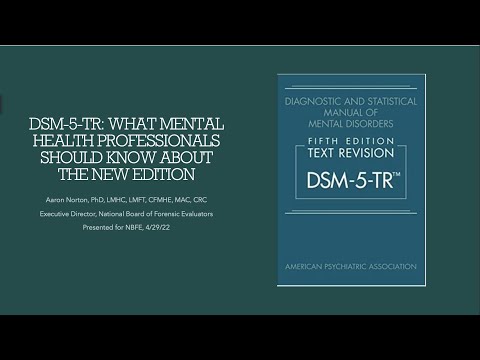
Mental health care is like a constantly evolving puzzle, right? One of the biggest pieces of that puzzle is the DSM, or the Diagnostic and Statistical Manual of Mental Disorders. It’s basically a comprehensive handbook that mental health professionals use to diagnose and classify mental health conditions. The current edition, the DSM-5-TR, was published in March 2022 and has made some updates that can help you understand how disorders are defined and treated.
What’s New in the DSM-5-TR?
One of the key updates includes further clarification on existing disorders. For example, they’ve expanded on areas like gender dysphoria, which reflects a growing understanding of people’s experiences with their gender identity. It’s crucial for clinicians to have nuanced guidelines because it really impacts how treatment plans are crafted.
Another update addresses how we perceive neurodevelopmental disorders. These include conditions like ADHD and autism spectrum disorder (ASD). There’s more emphasis on recognizing how symptoms manifest across different ages and within various cultural contexts. This is important because it helps avoid misdiagnosis.
Enhanced Descriptions
The DSM-5-TR also includes enhanced descriptions for many conditions. Take depression, for example—there’s more detail about subtypes such as persistent depressive disorder. This helps therapists understand different presentations better and customize their approach accordingly.
Cultural Context Matters
Speaking of cultural context, one big focus in this edition is acknowledging that mental health doesn’t exist in a vacuum. Each culture has its own beliefs about behavior and wellness, which can influence how symptoms are expressed. They’ve included more resources for professionals to consider cultural factors when diagnosing.
And there’s also an increased emphasis on interdisciplinary collaboration—mental health isn’t just about therapy anymore! It encompasses medical professionals from multiple fields working together to create better outcomes for patients across the board.
Why Should You Care?
Okay, but why does all this matter to you? Well, understanding these changes can empower you if you or someone close to you is navigating mental health challenges. If your therapist or psychiatrist seems more informed about cultural factors or specific symptom criteria now, it’s because they’re working with updated guidelines from the DSM.
So really, engaging with your clinician about what these terms mean can give you greater insight into your diagnosis or treatment plan. Being educated means being an active participant in your healing journey!
In short, the DSM isn’t just a dry manual filled with jargon; it’s a living document designed to adapt as our understanding of mental health evolves. Understanding these changes might just make that next therapy session feel a bit more relatable—and empower you as you navigate your own mental wellness journey.
So, let’s chat about the DSM, the Diagnostic and Statistical Manual of Mental Disorders. It’s kind of like the bible for mental health pros, you know? They use it to classify and diagnose all sorts of mental health conditions. I was thinking about how this thing has changed over the years—like, wow.
First off, there’s always some buzz when a new edition drops. The latest one, DSM-5-TR—it’s pretty fresh—came out recently and tweaked a few things. Some disorders got renamed or had criteria adjusted, which is super interesting. For instance, stuff like gender dysphoria is now presented differently to reflect better understanding and societal changes. It’s really cool that they’re trying to keep up with what we actually know about mental health!
But it’s not just about changing names or definitions; it can feel a bit overwhelming at times for clinicians. Imagine being a therapist dealing with someone who fits a certain diagnosis one year but might not fit it next year because of these revisions. You’re trying to help them navigate their feelings and experiences, but the rules of the game are shifting underneath you.
I remember talking to my friend who’s doing her internship in psychology. She mentioned this anxiety around keeping up with these updates while also building good relationships with her clients. You could see how much she cared! Like she really wanted to offer solid support while making sure she wasn’t missing something crucial because the DSM had changed again.
And then there’s the whole debate over whether we should even label people in the first place—like do those labels help or hurt? It’s complicated! On one hand, having a clear diagnosis can lead to effective treatment; on the other hand, it might box someone in or make them feel defined by their struggles rather than as a whole person.
You know what I think? It’s all about balance. Keeping up with these updates is important for mental health professionals since they want to provide the best care possible. But integrating that knowledge into real-world practice isn’t just about memorizing terms; it’s about understanding people and connecting with them on a deeper level.
I guess what I’m saying is that while these updates in the DSM are necessary and vital for progress in mental health care, they also come wrapped in some very human challenges—where connection matters just as much as any diagnostic criteria out there.