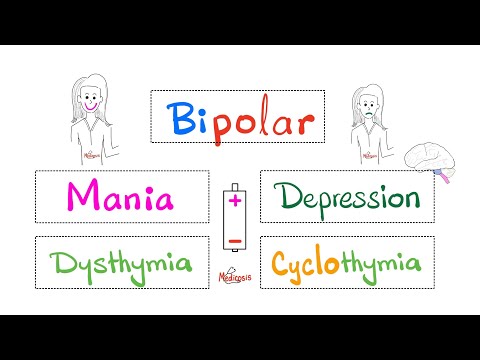
You know those days when your mood just feels like a rollercoaster? One moment you’re up, feeling on top of the world, and the next, you’re down in the dumps? Crazy, right?
Well, for some people, that’s everyday life. It can be super confusing. Take cyclothymia and dysthymia, for instance. They sound all fancy and complicated but they really just mess with your emotions in different ways.
Cyclothymia is like having mini highs and lows that don’t fully tip over into full-blown mania or major depression. It’s like being stuck in a mood ring that never settles.
Dysthymia, on the other hand, is more about lingering feelings of sadness or emptiness that hang around for ages. It’s kind of like carrying a gray cloud with you everywhere you go.
So yeah, navigating these feelings can feel heavy sometimes. If you’ve ever felt lost in your mood swings or heavy-hearted without knowing why, this could really hit home for you! Let’s unpack it together!
Understanding Cyclothymia and Dysthymia: Can You Experience Both?
Cyclothymia and dysthymia—two mental health conditions that might sound a little similar, but they’re actually quite different. It’s like comparing apples and oranges, you know? Both involve mood disturbances, but they manifest in distinct ways.
Cyclothymia is this ongoing cycle of mood swings that aren’t as extreme as bipolar disorder. You might feel up for a while and then down again, like riding a roller coaster. This pattern can last for years! It’s not just about feeling happy or sad; it’s more of a fluctuation between these two moods. One day you might be super energetic and creative, thinking you could take on the world. Other days, everything feels a bit gray, and even getting out of bed can seem like a Herculean task.
On the other hand, dysthymia—now known as persistent depressive disorder—sticks around longer. Imagine feeling low or empty for at least two years straight; that’s dysthymia for you. It doesn’t usually come with those high ups like cyclothymia does. Instead, it’s just this constant cloud hanging over your head. You might go through life feeling blah without any huge highs or lows to shake things up.
Now here’s where it can get tricky: can you experience both? Well, yes! Some people find themselves in this mixed state where they have elements of both conditions at the same time or flip between them over time. So picture this—you’re in a mostly low state with a chronic feeling of sadness (dysthymia), but every now and then you’ll have these little bursts of happiness or energy that play tag with your moods (cyclothymia).
The complications arise when trying to get help since diagnosing cycling moods versus long-lasting low moods isn’t always straightforward! You could be struggling with persistent feelings of emptiness but also have moments where you’re buzzing with energy—it’ll definitely confuse your mental health professional without careful evaluation.
It’s important to reach out if you think you might be dealing with either—or both! Seeking help from a therapist who understands these nuances can make all the difference. They can guide you through recognizing your patterns and finding effective coping strategies tailored just for you.
So remember: while cyclothymia brings those emotional ups and downs into play in shorter bursts, dysthymia drags on longer with more consistent feelings of sadness. And experiencing both? It’s possible—just make sure to chat about it openly with someone who gets it.
Understanding the Connection: Can Dysthymia Evolve into Bipolar Disorder?
Dysthymia and bipolar disorder are two mood disorders that can, at times, feel like they’re weaving a complex web of emotions. So, what’s the deal with dysthymia evolving into bipolar disorder? Let’s break it down.
Dysthymia, now known as persistent depressive disorder, is characterized by a low mood lasting for at least two years. Imagine waking up each day feeling like you’re walking through molasses—everything seems heavy, and simple joys feel distant. It’s not that you’re in a state of despair all the time; it’s more of a constant gray cloud hanging over you.
Bipolar disorder, on the other hand, is a whole different ball game. This condition involves dramatic mood swings, including depressive episodes and those periods of mania or hypomania. When someone feels euphoric or wired during these high phases, you might wonder if they’re living on another planet! And when the lows hit? Oof.
Now here’s where things get tricky: While dysthymia doesn’t directly morph into bipolar disorder, people can experience shifts over time. Some folks with long-standing dysthymia might eventually show signs of classic bipolar symptoms. This could happen particularly if they start having those intense highs mixed in with their ongoing low moods.
- The shift to bipolar could be influenced by genetic factors. If there’s a family history of mood disorders, it might increase the likelihood of developing bipolar symptoms later on.
- Environmental stressors can play a huge role too—like major life changes or traumatic events. You know how sometimes one little thing tips the scale? Well, that applies here as well!
- Also important to consider is how treatment (or lack thereof) affects these conditions. If dysthymia isn’t treated effectively over time, it can lead to more severe mood issues.
Anecdote time! I remember talking to Sarah—a friend I met during group therapy—who had dealt with chronic feelings of sadness for years. Her mornings were always tinted gray until she started experiencing sudden bursts of energy and happiness that she hadn’t felt in ages. It felt thrilling but also confusing; she realized those feelings didn’t last very long before crashing into despair once again. This rollercoaster ride led her doctors to reevaluate her diagnosis and explore the possibility that she was developing bipolar disorder after years of living with dysthymia.
Diagnosis matters. Professionals will look at your history and symptom patterns to see which diagnosis fits best at any given time—dysthymic episodes can sometimes blend with aspects of hypomania or mania despite being distinct conditions initially.
In summary, while dysthymia itself doesn’t directly cause bipolar disorder, they share some pathways—especially when viewed through genetics and environmental influences. Like ripples in water, one condition may influence another over time but doesn’t mean it’s an automatic transformation.
If you or someone you know is dealing with these challenges—or if things feel muddled—it’s super helpful to reach out to a mental health professional for proper evaluation and support!
Understanding Cyclothymia: Signs and Symptoms of a Cyclothymic Episode
Cyclothymia is like that unpredictable weather you sometimes experience. One minute it’s sunny, and the next, you’re in a downpour without an umbrella. This mood disorder is a form of bipolar disorder but a bit less intense. It leads to fluctuations between mild depressive and hypomanic episodes, which can really mess with your daily life.
So, what does it look like? Let’s break down the signs and symptoms of those cyclothymic episodes.
Hypomanic Episodes
During these phases, you might feel supercharged. You know that burst of energy when you’ve had too much coffee? Imagine that feeling lasting days or weeks. You could be more talkative than usual, jump from one idea to another, and feel unusually confident. Some people might even engage in risky behavior — like spending money they don’t have or making impulsive decisions.
- Increased Energy: Everything feels easier; you might take on more projects at work or start hobbies left and right.
- Elevated Mood: You feel invincible! Your mood is high—like riding a rollercoaster that just won’t stop climbing.
- Less Sleep: You may need less sleep but still feel wide awake. It’s like your brain forgot about the snooze button.
- Racing Thoughts: Your mind can go ten times faster than normal—thoughts flying around so fast it’s hard to keep up!
Think about someone who suddenly decides they’re going to run a marathon after binge-watching a show about athletes. They might sign up without considering if they’ve even jogged in years!
Depressive Episodes
Then comes the other side of the coin—the depressive phase. This part can be really tough, as everything starts feeling heavy and dark.
- Low Energy: Tasks that seemed easy before can now feel exhausting. Getting out of bed might feel like climbing Everest.
- Pessimism: It’s like wearing glasses tinted gray; nothing seems bright or hopeful.
- Lack of Interest: Hobbies or activities that once brought joy might suddenly seem pointless.
- Irritability: Small things could annoy you way more than usual; things just start grating on your nerves.
Imagine someone who used to love painting but now can’t find the motivation to pick up a brush again because everything feels pointless.
The Cycle
And here’s where it gets complicated: these episodes don’t stay neatly packaged. You could experience hypomania one week and then swing into depression the next week—or after several months! This constant back-and-forth can make it tougher to maintain relationships or hold down jobs since others might not understand what you’re going through.
It’s also important to point out that cyclothymia isn’t just about mood changes; it’s about how those changes affect your life over time. If you’re experiencing these symptoms consistently for at least two years (or one year for children), it’s worth talking to a mental health professional.
Cyclothymia isn’t something you blow off as “just moods.” It’s real and can impact every part of life—friends, work, family—you name it! But remember, recognizing these signs is the first step toward getting help and finding ways to manage those wild swings effectively.
By understanding how cyclothymia works, you’re better equipped to navigate its complexities and support yourself or someone else who may be dealing with it.
Cyclothymia and dysthymia, huh? Those might sound like fancy terms, but they really just describe two different flavors of mood swings. You know how some days you feel on top of the world, like you could take on anything? And then there are times when it feels like getting out of bed is a Herculean task. Yeah, that’s kind of what these conditions can be like.
Cyclothymia is all about those ups and downs, where you experience mild highs—think of a light buzz—and lows that aren’t deep enough to plunge into full-blown depression but can feel pretty crummy anyway. It’s sort of like having a roller coaster in your brain where there are no thrilling drops, just some gentle slopes that go up and down over time. Imagine waking up feeling energetic on one day, only to find yourself feeling low the next day or even later that same week. That unpredictability can be exhausting.
Then there’s dysthymia, which is basically a chronic form of depression but not as intense as major depressive disorder. It’s this lingering gray cloud hovering over your mood for at least two years. So instead of sharp peaks and valleys, you get more of a flat line— a dull background hum of sadness or just not feeling quite right. You wake up every morning with this nagging sense that something’s off but not being able to put your finger on it.
I remember a friend who used to talk about their struggles with this stuff—like one minute they’d be bouncing off the walls laughing at jokes and the next moment they were just… gone. Not really present or engaged anymore. It was heartbreaking to see them slip away during those darker times when everything felt heavy.
Navigating through all this can seriously feel like trying to find your way through a maze without an exit sign in sight. Support from others is huge—you want people around who get it when you’re riding that emotional roller coaster or slogging through life under the rainclouds.
Trying out therapy can really help too; think of it as having a map for your journey through these mental health landslides. Therapists can offer tools to manage moods better and help make sense of what’s happening in your mind.
But here’s the thing: recovery doesn’t happen overnight. It’s like learning how to ride a bike again after falling off; sometimes you wobble, fall flat, but eventually get back in the saddle again—hopefully without too much bruising along the way!
So if you’re dealing with cyclothymia or dysthymia—or know someone who is—just remember it’s okay to seek help and lean on others while figuring everything out. The path may be winding, but with patience and support, there’s definitely hope for brighter days ahead!