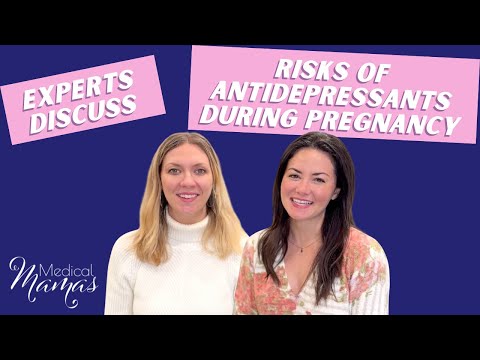
So, here’s the thing. If you’re pregnant, or thinking about it, there’s a lot on your mind. And if you’re dealing with mental health stuff, that can get even trickier.
Cymbalta is one of those meds that some people swear by. But what happens when you’re expecting? It’s a serious question and there’s not a ton of straightforward answers out there.
You might be wondering how it could affect both you and your little one, right? And let’s be real—it’s a confusing maze of info out there. You just want to do what’s best for yourself and your baby.
Let’s break it down together.
Exploring the Potential Mental Health Effects of Cymbalta: What You Need to Know
Cymbalta, or duloxetine, is an antidepressant often prescribed for depression and anxiety. You may have heard of it because it’s also used to treat chronic pain conditions. But if you’re pregnant or thinking about becoming pregnant, you might be wondering how this medication can affect your mental health and that of your baby.
First off, it’s crucial to talk to your doctor if you’re on Cymbalta and expecting or planning a pregnancy. The research around Cymbalta use during pregnancy is still evolving, so the info can be a bit murky. It’s like trying to read a puzzle with missing pieces.
Some studies suggest that Cymbalta could potentially impact fetal development. For instance, babies exposed to duloxetine in utero might have a higher risk of certain complications. But the upside? Well, untreated depression or anxiety during pregnancy can also pose serious risks for both mom and baby. So it’s kind of a balancing act.
Now let’s break down some potential effects:
- Withdrawal Symptoms: Babies born to mothers who took Cymbalta may experience withdrawal symptoms after birth.
- Preeclampsia Risk: Some studies link antidepressant use during pregnancy with an increased risk of preeclampsia.
- Neonatal Adaptation Issues: Infants can face issues adjusting right after birth if exposed to psychotropic medications.
A friend of mine was on Cymbalta while pregnant. She struggled with anxiety before getting pregnant and couldn’t imagine stopping her meds. After discussing with her doctor, they decided it was safer for her mental health—and the baby—to continue treatment while keeping an eye out for any possible side effects.
The thing is, the potential benefits of staying on Cymbalta often outweigh the risks associated with discontinuation in many cases. But everyone’s situation is unique! That’s why having open conversations with healthcare providers is super important.
If you’re feeling nervous about all this info—totally understandable! It’s okay to feel overwhelmed when it comes to your mental well-being and that of your little one. Consulting professionals who specialize in maternal mental health can give you tailored advice based on your specific circumstances.
In short, while there are potential mental health effects associated with using Cymbalta during pregnancy, it’s essential for each person to weigh those against their need for effective treatment for depression or anxiety. Open discussions with healthcare teams are key here!
Safe Mental Health Medications to Consider During Pregnancy: A Comprehensive Guide
When it comes to mental health during pregnancy, it’s a delicate balance, right? You need to think about both your well-being and that little one growing inside you. If you’re considering medications like Cymbalta, you’ve got some important things to keep in mind.
Cymbalta is often used for depression and anxiety. But, if you’re pregnant or planning to be, you’re probably concerned about how it could affect you and your baby. Seriously, those are valid concerns! So let’s break this down a bit.
Cymbalta and Pregnancy
The research on Cymbalta during pregnancy isn’t black and white. Some studies suggest that taking it might increase the risk of complications. But every individual’s situation is unique—like a fingerprint of mental health! Your healthcare provider should be the one guiding you through this maze.
Potential Risks
There are some risks associated with using Cymbalta while pregnant:
That said, not treating your mental health can also have risks—not just for you but also for your baby. So basically, it’s a juggling act!
Consulting Your Doctor
Always speak with your doctor before making any decisions. They can help weigh the risks versus benefits specific to your case. Maybe they’ll suggest alternative treatments if Cymbalta seems too risky for you during pregnancy.
Some alternatives could include:
It’s all about finding what works best for you.
Your Mental Health Matters
Feeling overwhelmed? That’s totally normal! Pregnancy hormones are no joke! Remember that prioritizing your mental health isn’t selfish—it’s necessary for both you and your baby’s well-being.
So talk openly with your healthcare provider about how you’re feeling and explore options together. Ultimately, it’s about finding the safest route to take care of yourself while also nurturing that precious life inside you.
In short, navigating medications like Cymbalta during pregnancy isn’t straightforward—you kind of have to trust your gut while balancing medical advice with personal feelings. Just remember: you’re not alone in this journey!
Cymbalta and Pregnancy: Effects, Risks, and Considerations for Expecting Mothers
Cymbalta, also known as duloxetine, is an antidepressant that works on serotonin and norepinephrine in the brain. It’s often prescribed for conditions like depression and anxiety, but if you’re pregnant or planning to be, it’s definitely a topic worth discussing. Here’s what you should know about its use during pregnancy.
First off, the effects of Cymbalta on pregnancy aren’t completely understood. Some studies suggest a potential risk of complications, like preterm birth or low birth weight. However, the data is still mixed. Not every expecting mother who takes Cymbalta will face these risks.
Now, let’s talk about risks associated with Cymbalta during pregnancy. Research has shown some links to various issues:
- Possible risk of withdrawal symptoms in newborns.
- A chance of persistent pulmonary hypertension in newborns.
- Concerns over developmental delays if taken later in pregnancy.
It can be super tough deciding whether to continue medication when you’re pregnant. For some women, stopping antidepressants can lead to a relapse of mood disorders. That could affect both mental health and the baby’s well-being.
Consider this: Imagine feeling really anxious or depressed during your pregnancy. Maybe you’re struggling with the massive life changes ahead and feeling overwhelmed by everything—hormones included! In such cases, stopping medication might not be an option without serious consequences.
But here’s where it gets a bit more complicated: balancing mental health with fetal health is key. If you’re pregnant and taking Cymbalta, don’t just stop it cold turkey without talking to your doctor first—this could lead to withdrawal symptoms for you and other complications.
Also important? Timing matters. Some research suggests that taking Cymbalta during the first trimester might have different risks compared to the third trimester. So again, having that chat with your healthcare provider is essential—it can really make or break this situation.
Another thing to consider is alternative treatments. Sometimes doctors suggest therapy or other non-pharmacological options as first-line treatments for depression and anxiety during pregnancy. You know? Like cognitive-behavioral therapy (CBT) or mindfulness techniques might help without needing meds.
In summary, navigating the use of Cymbalta during pregnancy isn’t simple—it involves weighing risks against benefits and considering individual circumstances. The ultimate goal should always be prioritizing both your mental health and your baby’s well-being. Engaging in open conversations with healthcare providers will help you find the best path forward tailored just for you!
You know, when it comes to pregnancy, it’s like a whole new world of worries and questions, especially with mental health meds like Cymbalta. I remember a friend who was pregnant and struggled with depression. She loved how Cymbalta made her feel more herself but had this constant nagging fear about what it might mean for her baby.
Cymbalta, or duloxetine, is prescribed often for things like anxiety and depression. It works on those pesky chemicals in your brain to help lift your mood. But when you’re pregnant, everything gets a bit tricky. You have to weigh the benefits of managing your mental health against potential risks to the baby. And that’s where the anxiety kicks in—like, it’s already tough enough dealing with hormones and cravings without throwing medication into the mix!
Research on Cymbalta during pregnancy gives mixed signals. Some studies suggest it could lead to withdrawal symptoms in newborns or even some complications but not really concrete evidence of dire harm. It’s kind of overwhelming trying to sift through all that info when you’re just trying to keep both yourself and your baby healthy.
The emotional side of things is crucial too. Stressing out about whether to stay on Cymbalta can make you feel even worse mentally, which isn’t great for either you or your little one! Conversations between patients and their healthcare providers can get pretty emotional—what if someone feels they have no choice but to come off it? Or what if they struggle without it? Ugh, talk about a heart-wrenching dilemma.
At the end of the day, it’s really about open communication with your doctor. They can help sort through the risks and benefits based on your individual situation. But man, there’s no one-size-fits-all answer here; every person’s experience can be so different.
So yeah, if you’re navigating this tricky territory or know someone who is—it’s totally understandable to feel torn apart by all these decisions regarding Cymbalta during pregnancy! Sometimes just talking about those feelings makes a world of difference too.