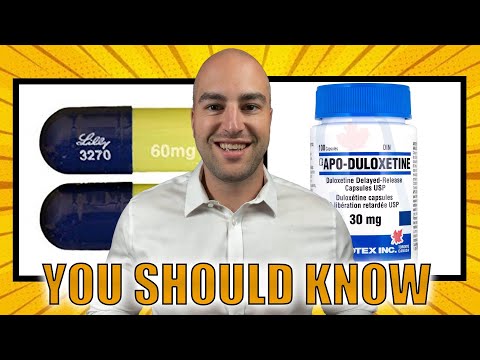
So, let’s talk about Cymbalta. You know, that medication people take for depression and anxiety? It can actually do wonders for some folks.
But wait! There’s a catch. One of the side effects can be sweating. And I mean, like, really sweating. The kind where you’re in a meeting and suddenly feel like you just ran a marathon.
It’s weird, right? You’re trying to manage your mental health, and then your body throws in this curveball. So, what gives?
Let’s break it down together and see what this all means for you or someone you know. Trust me, it’s worth understanding!
Effective Strategies to Manage Sweating Side Effects from Cymbalta: A Comprehensive Guide
Cymbalta, like many medications, can have side effects. One that some people experience is increased sweating. It can be pretty uncomfortable, right? You’re not alone if this is something you’re dealing with. Let’s break down some effective strategies to manage it.
Stay Hydrated
Drinking enough water is crucial when you’re sweating more than usual. It helps to keep your body cool and might help with some of the discomfort.
Wear Breathable Fabrics
Choosing your clothes wisely can make a big difference. Opt for lightweight and breathable fabrics like cotton or moisture-wicking materials. This kind of clothing lets air circulate better and keeps you feeling cooler.
Practice Relaxation Techniques
Stress can often make sweating worse. So, finding ways to relax might help minimize it. Try techniques like deep breathing, meditation, or even yoga. Picture yourself in a calm space; it could work wonders.
Adjust Your Environment
Keeping your surroundings cool can really help too. Use fans or air conditioning if you have it, especially during the hotter months. You know how refreshing it feels when you’re in a cooler space—definitely worth considering!
Consult Your Doctor
If the sweating becomes bothersome, don’t hesitate to reach out to your healthcare provider. They might suggest adjusting your dosage or possibly exploring other medication options.
Avoid Triggers
Some foods and drinks can ramp up sweating (like spicy foods or caffeine). Pay attention to what you consume and see if anything seems to trigger excessive sweating for you.
You can talk with others who are on Cymbalta too; sharing experiences might help you feel less alone in this journey. Remember that everyone’s body reacts differently to medications so what works for one person might not work for another.
In summary: sweat happens sometimes—especially with medications like Cymbalta—but there are ways to manage it! With a bit of research and open conversation with your doctor, you don’t have to suffer through excessive sweating alone.
Understanding the Side Effects of Cymbalta: What You Need to Know for Mental Health
Cymbalta, or duloxetine, is an antidepressant often prescribed to treat conditions like depression, anxiety, and chronic pain. While it can be really helpful for many, it also comes with some side effects that you should definitely be aware of. One of those side effects? Sweating. And yeah, it can be kind of a big deal.
When you start taking Cymbalta, your body might react in ways that are a bit surprising. Increased sweating is one of those reactions. You see, Cymbalta works by balancing certain chemicals in the brain that affect mood and pain perception. But that balance can also mess with your body’s temperature regulation and how much you sweat.
So what does this mean for you? Here are some key points to remember:
- Increased Sweating: This isn’t just a little more sweat on your forehead—some people experience significant sweating, especially at night.
- Daytime Effects: If you’re sweating during the day, it might make you feel uncomfortable or even embarrassed in social situations.
- Nightsweats: Waking up drenched can disrupt your sleep and affect how rested you feel the next day.
- Medication Adjustment: If sweating becomes too bothersome, talk to your doctor about adjusting your dose or even switching medications.
Sometimes people think they’re overreacting when they mention these side effects to their doctors. But look, it’s totally normal to feel uneasy about changes in your body! For instance, a friend of mine started Cymbalta for anxiety relief and ended up dealing with unexpected nighttime sweats. It was such a bummer because she was finally feeling better mentally but couldn’t get a good night’s sleep.
There’s also something to consider: everyone reacts differently to Cymbalta. Some may hardly notice an increase in sweating while others might find it pretty overwhelming.
If you’re worried about this side effect—fear not! Here are some things you can do:
- Keep Your Cool: Wear light clothing at night and keep your room cool; sometimes simple adjustments help manage nocturnal sweats.
- Stay Hydrated: Drink water! It helps balance out fluid loss from sweating and keeps everything functioning better.
- Tell Your Doc: Seriously, if it’s bothering you a lot, bring it up during appointments. They want to help!
Remember that while Cymbalta can have side effects like increased sweating, the benefits sometimes outweigh those annoyances for many people. Just stay open with your healthcare provider about any changes you’re experiencing—they’ll guide you best!
Top Medications for Managing Anxiety-Related Sweating: A Comprehensive Guide
Managing anxiety-related sweating can be a real challenge for many people. If you’ve ever felt like you’re just oozing sweat during a stressful moment, you’re definitely not alone. This is a common symptom that can pop up when anxiety kicks in, and it can be super uncomfortable.
Now, when it comes to medications for this issue, there’s a few options floating around out there. Cymbalta is one of those medications that some folks turn to. It’s actually an antidepressant that falls under the category of serotonin-norepinephrine reuptake inhibitors (SNRIs). Basically, it helps balance the chemicals in your brain that affect mood and anxiety.
You might be wondering how exactly Cymbalta relates to sweating. Well, one thing to note is that while some people find relief from their anxiety symptoms, others report increased sweating as a side effect. It’s kind of like this double-edged sword—you deal with less anxiety but might find yourself feeling like a puddle instead.
Besides Cymbalta, there are other medications that could help manage anxiety-related sweating:
- SSRIs: This group includes medications like Lexapro or Zoloft. They also focus on balancing the chemicals in your brain and might help reduce both anxiety and sweating for some people.
- Benzodiazepines: These meds work quickly and can calm you down pretty fast. Examples include Xanax or Ativan. However, they may not be the best long-term solution since they can lead to dependence.
- Beta-blockers: You might know these as heart medication, but they can help with the physical symptoms of anxiety—like racing heart and sweating—by slowing down your heart rate.
- Anticholinergic drugs: These are less commonly used for anxiety but have been shown to decrease sweating. They block certain neurotransmitters which could help cool things down.
It’s also worth mentioning lifestyle changes and therapy options like cognitive-behavioral therapy (CBT). Sometimes talking through your feelings or learning new coping mechanisms can do wonders alongside any medication you choose.
So here’s the deal: if you’re struggling with anxiety-related sweating, chatting with your healthcare provider about these options is key. They’ll help you weigh the pros and cons of each medication based on your personal history and what you’re most comfortable with.
Remember, everyone reacts differently to meds; it’s sort of trial-and-error sometimes until you find what works best for you. Don’t hesitate to reach out for support from loved ones or professionals—it makes a difference!
So, let’s chat about Cymbalta for a sec. It’s a medication that a lot of folks take for depression and anxiety, and yeah, it can be super helpful. But here’s the thing: side effects can be a real pain in the neck, or more like the back… or you know, just everywhere. One of those side effects? Sweating—like, way more than your average person would ever consider normal.
Picture this: you’re out with friends on a warm day. You’re having fun until you realize you’ve turned into a human sprinkler system… not exactly the vibe anyone is aiming for. I remember this one time when I was hanging out at an outdoor concert. The music was pumping, people were dancing, and all of a sudden I noticed my shirt was soaked through. Pretty embarrassing!
Anyway, Cymbalta can mess with the way your body regulates temperature and sweat production, which might sound sorta scientific and fancy but really just means it can leave you feeling like you’re always in sauna mode—even when it’s not that hot out! This isn’t necessarily true for everyone who takes it—you might be one of those lucky ones who escapes that fate—but if you’re experiencing this kind of sweating while on Cymbalta, it could definitely get in the way of your daily life.
And look, mental health is already complicated enough without adding sweaty shirts to the mix. It’s important to consider how these side effects impact your overall well-being. If you feel like Cymbalta is helping with your mood but making you feel self-conscious or uncomfortable because of sweating? That’s valid!
Talking to your doc about these concerns could open up other options—maybe another med that works better without turning you into a walking puddle? You deserve to feel good both mentally and physically without any unwanted surprises.
So yeah, if you’re on Cymbalta and sweating’s becoming an issue? Don’t brush it off; bring it up! It’s all part of finding what works best for you in managing mental health while keeping the embarrassment levels down to a minimum.