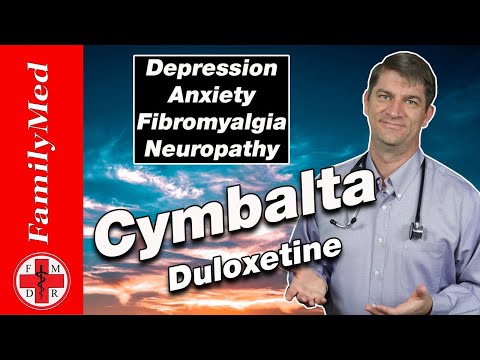
So, let’s talk Cymbalta. You’ve probably heard of it, right? It’s one of those go-to meds for depression and anxiety. But, like with anything good, there’s a flip side.
Some folks really struggle with the side effects. And honestly, it can feel like a rollercoaster—one day you’re feeling good, then bam! You hit a snag.
I mean, it’s wild how something meant to help can sometimes throw you for a loop. So let’s break it down. What do these side effects really mean for your mental health? You’re not alone in this if you’re feeling off. Let’s dive in!
Is It Safe to Take Benadryl with Cymbalta? Exploring Medication Interactions and Mental Health
So, you’re wondering if it’s safe to mix Benadryl and Cymbalta? That’s a pretty common question, especially when you start taking different medications and wonder if they’ll play nice together. Let’s break this down in a way that makes sense.
First off, **Cymbalta** (duloxetine) is an antidepressant that’s often prescribed for depression and anxiety. It works by balancing certain chemicals in the brain. But like any medication, it can have some side effects. Some people feel sleepy or dizzy when they’re on it. It can also cause dry mouth or even nausea, which isn’t super fun.
Now, let’s talk about **Benadryl** (diphenhydramine). It’s an antihistamine commonly used for allergies or to help with sleep. It can make you feel drowsy, which is why some folks use it when they can’t catch Zs at night.
So, combining the two? That’s where things get tricky. Both medications can cause sedation and drowsiness on their own. When taken together, you might be setting yourself up for more pronounced effects like extreme drowsiness or confusion. Not ideal if you’ve got stuff to do!
Also, Benadryl has anticholinergic properties—which means it blocks a neurotransmitter called acetylcholine. This could lead to further side effects such as dry mouth, blurred vision, or urinary issues, especially when paired with Cymbalta which also has similar effects.
Now here are a couple of key points to consider:
- Consult Your Doctor: Always speak with your healthcare provider before starting or combining medications.
- Create a Medication List: Keep track of all the prescriptions and over-the-counter meds you’re taking—this helps avoid bad interactions.
- Watch for Side Effects: If you do end up taking both, be alert to increased sedation or any unusual symptoms.
A friend of mine had this experience where she took Benadryl for her allergies while already on Cymbalta. She ended up feeling so groggy that she nearly dozed off during a meeting! It’s definitely no joke how these meds can amp up drowsiness.
In summary, while there isn’t always an outright ban on mixing these two medications, doing so requires caution and ideally guidance from someone who knows your medical history well—like your doctor. Just remember—you know your body best! If something feels off after taking them together, don’t hesitate to reach out for advice.
Understanding Duloxetine: Can This Antidepressant Cause Sweating?
So, you’re curious about duloxetine, huh? That’s totally understandable. This medication is often prescribed for depression and anxiety, but it can also help with pain management. The brand name most people recognize is Cymbalta. Now, one of the side effects some people report is **sweating**. Let’s break down what that really means.
First off, **duloxetine belongs to a class of medications called SNRIs** (serotonin-norepinephrine reuptake inhibitors). Basically, what this means is that it helps your brain use two important neurotransmitters—serotonin and norepinephrine—more effectively. This can lift your mood and reduce anxiety but can also have some side effects.
Now, regarding **sweating**, here’s the deal: it’s actually a common side effect of many antidepressants, including duloxetine. You might be wondering why that happens. Well, these medications can mess with your body’s regulation of various functions, including temperature and sweating.
Here are some key points to consider:
- Type of Sweating: Some folks experience increased sweating overall, while others might find they sweat more in specific areas like the palms or feet.
- Timing: Sweating can kick in after starting the medication or after increasing the dose.
- Intensity: For some people, it’s mild and manageable; for others, it can feel pretty intense.
- Individual Reactions: Everyone’s body reacts differently to medication. Just because one person sweats a lot doesn’t mean you will too.
If you’re dealing with this side effect, it might seem frustrating. I remember chatting with a friend who was on Cymbalta; she felt like she was constantly sweating during meetings or when hanging out with friends. Super awkward! But she talked to her doctor about it and they came up with some strategies to help manage those sweaty moments.
The good thing? Most side effects tend to lessen over time as your body adjusts to the meds. If sweating becomes bothersome though—or if it’s impacting your day-to-day life—definitely reach out to your healthcare provider. They can explore options like adjusting your dosage or switching medications.
In summary: Yes, **duloxetine** can cause sweating in some individuals due to its effects on neurotransmitter regulation and bodily functions. It varies from person to person—some won’t experience much at all! Remember that working closely with your doctor will help you navigate any bumps along the way while on this medication. So hang in there!
Exploring the Impact of Cymbalta on Personality Changes: What You Need to Know
Cymbalta, known generically as duloxetine, is often prescribed for depression and anxiety, but you might have heard some chatter about how it can impact your personality. Let’s break this down a bit.
First off, Cymbalta works by increasing the levels of certain neurotransmitters in your brain, specifically serotonin and norepinephrine. This can help improve mood and reduce anxiety. But what about those changes in personality?
Well, here’s the thing: some people taking Cymbalta have reported feeling different than they did before. It’s not always a bad thing; many notice an increase in positive emotions or an ability to cope with stress better. But for others, it can feel like they’re just not themselves anymore.
Some common side effects that may contribute to these personality shifts include:
Now, let me tell you about my friend Mike. He started taking Cymbalta after going through a rough patch with anxiety and depression. At first, it really helped him feel more balanced—like he could take on the world! But after a few weeks, he noticed he was less excited about hanging out with his buddies. He also felt this weird sense of emotional numbness. It scared him because he genuinely loved his friends and activities but suddenly felt distant.
It’s important to note that not everyone will experience these changes while on Cymbalta—a lot of people benefit from it without any issue at all! And if you’ve been feeling off or noticing shifts in your mood or behavior after starting this med, seriously talk to your doctor about it.
Sometimes switching medications can lead to feeling more like yourself again or finding something that fits better without those side effects hanging around.
In summary, while Cymbalta can be a game changer for treating anxiety and depression by lifting some heavy fogs off one’s mind, there’s definitely potential for personality changes involved as well. Your experience may differ from others’, so keep that line of communication open with your healthcare provider!
So, Cymbalta, huh? It’s one of those medications that people often take for depression and anxiety. It can help a lot of folks feel better, but like any medication, it doesn’t come without its baggage—side effects can actually throw some curveballs into the mix.
Let’s say you start taking Cymbalta. You might notice some changes right away. People often report feeling a bit nauseous or dizzy at first. This can be pretty annoying because you’re trying to focus on feeling better, not on feeling like you need to lie down for a while. And if your stomach feels off, it just adds another layer of stress when you’re already juggling those heavy feelings of depression or anxiety.
Another common side effect is fatigue or drowsiness. Imagine you’ve got this powerful tool to help your mental state but find yourself fighting sleep instead of facing the day. It’s like having to choose between being too tired to have a good time or being anxious and overwhelmed—neither option feels great.
Then there’s the emotional rollercoaster it might bring along for the ride. Some people say they feel more irritable or even have mood swings that seem out of nowhere. You know that feeling when you get really mad about something small? Picture it happening more often and wondering if it’s the meds messing with your head.
I remember a friend who started Cymbalta after struggling with depression for years. At first, she felt this incredible lift in her mood, which was amazing! But then came the side effects: she became really irritable and just wasn’t herself anymore. It was so frustrating for her because she wanted to be happy but found herself snapping at people over little things.
Also worth mentioning are potential withdrawal symptoms if you stop taking it too quickly—stuff like headaches or brain zaps (yeah, I know, weird right?). If you’re so eager to feel good that you think jumping off Cymbalta will be easy-peasy, think again! Those withdrawal experiences can add a whole new spin on your mental health situation.
So what’s the takeaway? Well, medications like Cymbalta can definitely help many people find balance in their lives but come with side effects that could impact how you feel emotionally and physically along the way. Always check in with your doctor about what you’re experiencing; they can help tweak things so you don’t have to deal with unwanted surprises all alone.
At the end of the day, everyone’s experience is unique—what works wonders for one may not vibe at all with another person’s system. Keeping an open line of communication about these things is crucial because life’s complicated enough without adding unnecessary stress from medications that are supposed to help us feel more human again.