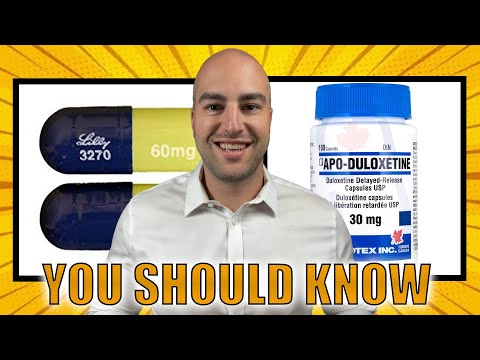
You know, life can be a real rollercoaster sometimes. One minute you’re up, feeling on top of the world, and the next? You’re just… not. It’s tough, right?
That’s where medications like Cymbalta come in. Some folks swear by it for managing their mental health struggles. But it can be a bit confusing figuring out if it’s right for you.
So let’s chat about what Cymbalta is, how it works, and what options are out there. You’ve got questions? I’ve got answers!
Understanding Cymbalta: Uses and Benefits in Mental Health Treatment
Cymbalta, which is the brand name for duloxetine, is an antidepressant that belongs to a class called serotonin-norepinephrine reuptake inhibitors (SNRIs). Sounds fancy, right? Basically, it helps balance certain chemicals in your brain that affect mood and emotions.
You might be curious about what it’s used for. Well, Cymbalta isn’t just for depression; it’s often prescribed for a few other conditions too.
Let’s take a minute to dive into how this stuff actually works. SNRIs like Cymbalta help increase the levels of serotonin and norepinephrine in your brain. These are neurotransmitters that play a key role in mood regulation and pain perception. So, if you’re feeling low or dealing with chronic pain, this medication might give you a helping hand.
Now, it’s not all rainbows and butterflies; there can be side effects too. Some people might experience nausea, dry mouth, fatigue, or dizziness when they start taking Cymbalta. You know how it goes—everyone’s body reacts differently to medications. That’s why it’s super important to talk with your doctor about what you’re experiencing.
Imagine someone named Sarah who had been feeling really down and anxious for months. She found it tough to get out of bed sometimes! After chatting with her doctor, she started taking Cymbalta. Over time, she noticed significant changes—she felt more like herself again! This doesn’t mean it works for everyone the same way though.
The benefits can go beyond just mood improvement as well; many people find relief from physical symptoms too. For some folks struggling with conditions like fibromyalgia or chronic pain issues, Cymbalta can be a game-changer because it helps manage both emotional and physical aspects of their health.
But remember, medication isn’t the only solution out there! Therapy options such as cognitive behavioral therapy (CBT) can complement what Cymbalta offers by helping change negative thought patterns and behaviors.
So here’s the bottom line: Cymbalta can be helpful in treating various mental health issues while addressing physical pain symptoms too. It’s essential to discuss your options thoroughly with your healthcare provider to find what’s best suited for you as an individual. After all, mental health care is personal; what works wonders for one person may not hit home for another.
In any case, if you’re considering Cymbalta or any new treatment plan, keeping an open line of communication with your doctor is crucial! They’ll guide you through this journey toward better mental health support—just take it one step at a time!
Combining Cymbalta and Buspar: What You Need to Know for Mental Health Management
When it comes to mental health management, understanding your medications is super important. So, let’s break down what’s up with Cymbalta and Buspar, two common meds that you might hear about.
Cymbalta, or duloxetine, is often prescribed for major depressive disorder and anxiety disorders. It’s also used for chronic pain. What it does is balance serotonin and norepinephrine in the brain, helping to lift your mood and ease anxiety. A friend of mine struggled with anxiety for years, but when they started Cymbalta, they noticed a big shift. They felt more like themselves again.
On the flip side, there’s Buspar, or buspirone. It’s primarily used to treat generalized anxiety disorder (GAD). Unlike Cymbalta, it doesn’t have that immediate punch; it’s more of a gradual thing. You take it daily, and over time it helps reduce feelings of worry without that sedation some other anti-anxiety meds can cause.
Now you might be thinking: “Can I take both?” Well, many doctors do prescribe them together for certain patients who need help managing multiple symptoms—like depression and anxiety at the same time. But here’s where you gotta be careful.
Combining Cymbalta and Buspar can have some perks:
But there are also potential downsides:
It’s like balancing on a seesaw—you want to make sure both meds work well together without tipping you over into discomfort.
Before making any changes to your medication routine or if you’re thinking about combining them, it’s essential to chat with your doctor or psychiatrist first. They’ll know your history better than anyone else and can help weigh the benefits against the risks based on your needs.
Just remember: mental health management isn’t one-size-fits-all. What works for one person might not work for another. Stay informed, listen to your body, and keep an open line of communication with your healthcare provider. That way you’ll be navigating this journey with clarity!
So, let’s talk about Cymbalta. You know, it’s one of those medications that people often hear about when it comes to treating depression and anxiety. It’s not just a pill for some folks; it plays a role in the larger mental health puzzle. But before we go deeper into that, let me share a quick story.
I once had a friend who was battling depression for years. It was tough to watch him struggle, you know? He tried therapy, lifestyle changes—everything—but nothing seemed to work until he started taking Cymbalta. Within weeks, he seemed more like his old self again. It was like someone flipped a switch! Sure, there were side effects at first—like headaches and weird dreams—but he felt lighter overall.
Cymbalta is actually an antidepressant that’s part of a class called SNRIs (serotonin-norepinephrine reuptake inhibitors). Sounds fancy, right? But what it basically does is help balance chemicals in your brain that affect mood and emotions. So you can think better and feel better too.
But, here’s the thing: medication isn’t the only option out there. Therapy can be super helpful as well. Cognitive Behavioral Therapy (CBT), for example, helps address negative thought patterns and behaviors that can really make things tough for folks dealing with mental health issues. Some people even find success with mindfulness practices or support groups.
The point is, everyone’s journey looks different. What works for one person might not work for another—and that’s completely okay! Medications like Cymbalta can offer relief for many but integrating them with therapy or other supportive approaches can create a more holistic treatment plan.
If you’re thinking about this route or have questions about your mental health options, definitely chat with someone who gets all this stuff—like a therapist or doctor. They can help figure out what’s best for you.
Anyway, it’s kind of incredible how far we’ve come in understanding mental health treatments over the years. There are options out there! Just know you’re not alone on this journey; help is always available if you’re willing to reach out.