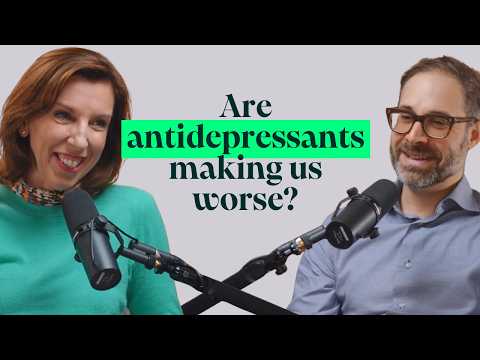
You know, when we talk about mental health and stuff, antidepressants come up a lot. They can help some folks feel better, but there’s this whole other side that doesn’t get enough airtime.
Like, what are the risks? Are they even worth it? I mean, it’s super complicated.
I remember chatting with a friend who started taking them, and she was like, “I feel flat.” That made me think—what’s going on here?
So yeah, let’s unpack this whole antidepressant thing together. It might surprise you what you find out!
Understanding the Impact of Antidepressants on Mental Health: Benefits and Considerations
Understanding the impact of antidepressants on mental health is super important, especially if you or someone you know is considering them. So, let’s break it down a bit.
Antidepressants are medications designed to help alleviate symptoms of depression. They come in different types, like SSRIs and SNRIs, each working differently in your brain. The general idea is to balance out those pesky neurotransmitters—chemicals that help transmit messages in your brain—that can be off-kilter when you’re feeling down.
Now, let’s talk about some benefits.
- Many people find that antidepressants help lift their mood over time.
- They can reduce feelings of anxiety and improve overall emotional well-being.
- For some folks, these meds allow them to engage better in therapy because their brains feel a bit clearer.
But it’s not all sunshine and rainbows. There are also considerations—or as some might say, risks—that are worth chatting about.
- Side effects can vary widely from person to person. Some common ones include weight gain, fatigue, or even changes in sleep patterns.
- Withdrawal symptoms can occur if a person stops taking them suddenly. It’s kind of like when you forget your morning coffee; things just feel off.
- User response: Not everyone reacts positively right away—or at all—and it may take time to find the right fit for you.
A friend of mine, Sarah, was prescribed an SSRI after struggling with depression for a while. At first, she felt like her world was changing for the better; colors were brighter and she even started enjoying hobbies again. But then she noticed some weight gain and began to feel tired all the time. That led her to question whether the medication was worth it.
It’s crucial to keep open communication with your healthcare provider throughout this process. Everyone’s experience is unique; what works wonders for one might not do anything for another. And remember: finding the right treatment is often about trial and error.
In summary, antidepressants can be beneficial but come with potential side effects that aren’t always easy to manage. It’s a bit like balancing on a seesaw—sometimes it feels nice up high but can get tricky if you’re not careful. So take your time understanding what feels best for you or those around you!
Exploring the Controversy: Key Arguments Against Antidepressants in Mental Health Treatment
It’s a big topic when we start talking about antidepressants and the controversies surrounding them. Some folks swear by their effectiveness, while others point out some serious concerns. Here’s a breakdown of key arguments against antidepressants in mental health treatment.
One major concern is the side effects. Sure, these meds can help with depression, but they also come with a laundry list of potential side effects. Things like weight gain, sexual dysfunction, and even insomnia can make patients question whether it’s worth it. Imagine feeling more depressed about your body or relationships because of medication that was supposed to help you feel better.
There’s also the issue of dependency. Some people worry that once they start taking antidepressants, they might not be able to stop. It can feel like a slippery slope—if you decide to ditch them after a while, you might face withdrawal symptoms. That can add more stress to someone already struggling with their mental health.
Then there’s the debate around efficacy. Not everyone responds well to these medications. Studies show that about one-third of patients don’t get significant relief from their symptoms with standard antidepressants. It’s tough when you’re putting your hope into something that might not even work for you.
Another point folks raise is the oversimplification of mental health issues. Critics argue that relying too much on medication can minimize the importance of therapy or other interventions like lifestyle changes. You know how complex our minds are? Sometimes talk therapy or healthier habits could do wonders without popping a pill.
Additionally, there are concerns about the influence of pharmaceutical companies. Let’s be real: big pharma has a lot at stake when it comes to selling antidepressants. There are claims that marketing tactics sometimes downplay risks while highlighting benefits, which raises eyebrows among experts and consumers alike.
Finally, there’s this idea called the Life has ups and downs; experiencing sadness is part of being human! Some argue we’ve reached a point where feeling low gets labeled as an illness too quickly instead of just riding it out with support from friends and family.
So yeah, while antidepressants can provide relief for many people suffering from depression and anxiety disorders, these arguments raise valid concerns in the ongoing conversation about mental health treatment options. It’s essential to look at the whole picture—not just what pills might do but also what alternatives exist and how we approach mental health as a society.
Exploring the Effects of Antidepressants on Mentally Healthy Individuals: What You Need to Know
Antidepressants are a big deal when it comes to mental health. But what if you’re not struggling with, say, major depression? Do they still play a role in your life? Let’s dive into that.
The Basic Idea
So, antidepressants are primarily designed to tackle mood disorders, like depression and anxiety. They work by balancing chemicals in your brain called neurotransmitters which help regulate mood. But here’s the kicker: some folks wonder about the effects of these meds on people who aren’t actually struggling with such conditions.
Potential Risks
Here’s where things get interesting. Even if someone is mentally healthy—like, they’re not depressed or anxious—taking antidepressants can have some unexpected effects. You could experience side effects ranging from mild nausea to more serious issues like sleep disturbances or weight gain.
Plus, there’s this phenomenon called «emotional blunting.» It means you might feel less intense emotions overall—not just negative ones but positive ones too! Imagine missing out on feeling genuinely happy about something awesome because you’re on these meds. That’s no fun.
Dependency and Withdrawal
And then there’s dependency. Some people might find that when they stop taking antidepressants, they feel worse than before – like they’ve lost a crutch they didn’t even know they had. The withdrawal symptoms can be pretty rough too, including dizziness and irritability.
Psychological Perspective
From a psychological standpoint, it raises questions about how we perceive our emotions and struggles. If you were to take those meds while feeling fine mentally, you might inadvertently shift your perspective on what being “okay” really means. You know? It could blur the lines between genuine emotional experiences and those artificially induced by medication.
The Bigger Picture
Also worth mentioning is the way society views mental health issues today. There can be pressure to seek treatment even when you don’t actually need it. It’s important to ask yourself: “Am I okay as I am?” Sometimes talking things out with a friend or therapist can be more beneficial than jumping straight into meds.
In summary, knowing the potential effects of antidepressants is super important—even for those who consider themselves mentally healthy. Understanding both the pros and cons helps everyone make better decisions about their mental well-being!
Alright, let’s chat about antidepressants and the whole mind-boggling conversation around their risks. You probably know someone who’s been prescribed them, or maybe you’ve thought about it yourself. It’s a bit of a rollercoaster, isn’t it?
On one hand, these meds can really help lift the fog for people who are feeling down or hopeless. I remember a friend who struggled with depression for years. After starting antidepressants, she told me it felt like she could actually breathe again—like the weight that had pushed her into her bed was finally lifting. That’s pretty powerful stuff.
But here’s where it gets tricky. There are some risks involved, and they can really affect how you see your mental health journey. Sometimes people experience side effects—like weight gain, insomnia, or even increased anxiety in some cases. It’s this bizarre twist where you’re trying to feel better but then suddenly dealing with other issues that make things feel even messier.
And let’s not forget about the stigma surrounding mental health treatment in general. Some folks think if you need medication, you’re “weak” or something’s fundamentally wrong with you. So, if someone doesn’t feel better right away—or worse yet, feels worse—it can make them feel like they’re failing a test they didn’t even sign up for.
Plus, when you start relying on medication to manage your moods or emotions, there might be a fear of losing that natural self-regulation we all have—or at least think we should have! What happens when and if you decide to stop taking them? It’s like peeking over the edge of a cliff: do I jump back into my feelings? Will I be okay?
Honestly? The risks can be scary and sometimes overwhelming if you’re already dealing with mental health challenges. It’s important to have open conversations with doctors or therapists who get it and can guide you through the maze of options out there.
So yeah, antidepressants can bring relief but don’t forget about those potential bumps in the road—and the importance of holistic support too! It isn’t just about popping a pill; it’s about finding what genuinely works for *you* in your healing journey.