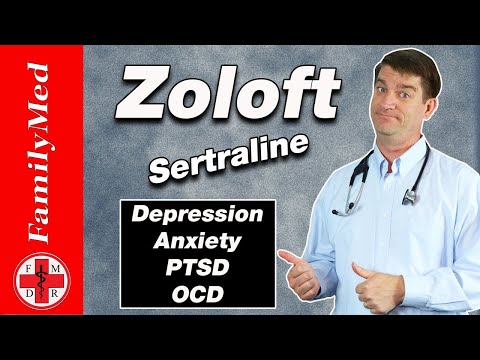
So, let’s talk about Zoloft. You know, that little pill that pops up in conversations about depression and anxiety?
It’s like, super common, but there are some things you might wanna think about.
I mean, it helps a lot of people feel better, which is awesome! But, hey—there are also risks and concerns that can come with it.
Ever heard someone say that sometimes the cure can be as tricky as the problem? Yeah, it’s kinda like that.
Let’s break it down a bit because you definitely deserve to know what’s up before making any decisions.
Essential Information to Consider Before Starting Zoloft: A Comprehensive Guide
Starting Zoloft, or sertraline, can be a big step. If you’re thinking about diving in, there are some important things to consider. It’s crucial, you know? So let’s break it down.
What is Zoloft?
Zoloft is an antidepressant that falls under a class of medications called selective serotonin reuptake inhibitors (SSRIs). These meds help increase the level of serotonin—often called the “feel-good” chemical—in your brain. This can help with depression and anxiety disorders.
Possible Side Effects
First off, let’s talk about side effects. Like any medication, Zoloft isn’t without its concerns. Common ones include:
- Nausea
- Drowsiness
- Dry mouth
- Insomnia
- Sexual dysfunction
Some people have reported feeling jittery or restless too. Seriously, who wants that? It’s good to discuss these with your doctor so they can help manage them.
Start Low and Go Slow
It’s often recommended to start with a low dose and gradually increase it. This way, you can see how your body reacts without overwhelming yourself. And believe me, that can make a huge difference!
The Risk of Withdrawal Symptoms
If you decide to stop taking Zoloft, it’s not all smooth sailing either. Some folks might experience withdrawal symptoms like dizziness or mood swings if they quit cold turkey. That’s why it’s super important to work with a healthcare provider when changing or stopping doses.
The Serotonin Syndrome Warning
One serious concern linked to Zoloft is something called serotonin syndrome. This happens when there’s too much serotonin in your system and it can be pretty dangerous! Symptoms include rapid heart rate, hallucinations, or severe nausea. If you start feeling any weird combo of these symptoms after starting the med, contact someone right away!
Mental Health Considerations
Zoloft may not be for everyone—especially if you have certain health issues like liver problems or if you’re pregnant or nursing. You want to let your doctor know everything about your health history before starting treatment.
If You’ve Tried Other Treatments
Sometimes people end up on Zoloft after trying different treatments without success—like therapy alone or other medications that didn’t quite do the trick. If that sounds familiar for you or someone you know, talking about this with a mental health professional is key.
The Importance of Support Systems
Having support from friends or family while starting on Zoloft (or any medication) is super helpful too! Share what’s going on with them so they can lend a hand as you navigate this path.
In short: launching into Zoloft means weighing all these factors carefully! Make sure to stay open with your healthcare provider because communication really matters in making the journey smoother for both body and mind.
Understanding Sertraline Side Effects: What You Need to Know for Better Mental Health
Sertraline, known by the brand name Zoloft, is a popular medication used to treat various mental health conditions like depression and anxiety. It falls under a class of drugs called SSRIs, which stands for selective serotonin reuptake inhibitors. This basically means it helps increase serotonin levels in your brain, which can improve mood and make you feel more balanced emotionally. But like anything else in life, it’s not all sunshine and rainbows—it can come with side effects.
Common Side Effects:
When you start taking sertraline, you might notice some common side effects. These could include:
- Nausea
- Diarrhea or constipation
- Dry mouth
- Fatigue or drowsiness
- Insomnia
- Adjustments in libido or sexual function
These are usually mild and may fade after a few weeks as your body gets used to the medication. For instance, you might feel a bit queasy at first but find those feelings settle down as you continue taking it.
Less Common But Serious Side Effects:
Sometimes people experience less common but more serious side effects. These can be a bit alarming but they’re important to know about:
- Increased anxiety or agitation.
- Suicidal thoughts or behaviors.
- Severe allergic reactions like rash or swelling.
- A sudden increase in heart rate.
If any of these happen, it’s really important to talk to your doctor right away. They can help figure out what’s going on and whether sertraline is the right fit for you—sometimes adjustments need to be made.
Tapering Off:
Now, if you’ve been on sertraline for a while and want to stop taking it, don’t just quit cold turkey. Doing that can lead to withdrawal symptoms like dizziness, irritability, or flu-like symptoms. Always reach out to your healthcare provider about tapering off slowly—you’ll be much better off that way.
Mental Health Considerations:
Keep in mind that everyone’s experience with sertraline will differ based on personal factors like other medications you’re on or even your unique body chemistry. It’s often a trial-and-error process when finding the right medication in mental health treatment.
For many people, the benefits of feeling more balanced outweigh the side effects they might encounter along the way. Plus, having regular check-ins with your doctor can help manage any issues before they become big problems.
So there you have it! Understanding sertraline’s side effects helps empower you during your mental health journey. Being informed is key because when you’re aware of what could happen—good or bad—you’re in a better position to make decisions that work for you!
Understanding the Long-Term Effects of Sertraline on Brain Health
Sertraline, more commonly known as Zoloft, is a type of medication often prescribed for depression, anxiety, and a few other mental health conditions. It falls under the category of selective serotonin reuptake inhibitors (SSRIs). What that means is it helps increase the level of serotonin in your brain, which can improve mood and emotional well-being. But while it can work wonders for many people, there are some long-term effects to consider when it comes to brain health.
First off, let’s talk about how long-term use can impact your overall brain function. In many cases, people on sertraline notice an improvement in their symptoms, which is fantastic! However, since it’s altering serotonin levels over time, some studies suggest it could lead to changes in how the brain processes emotions and stress. You might feel less reactive to stressful situations initially but eventually find yourself struggling with emotional responses later on.
Another important thing to think about is dependency. While sertraline isn’t considered physically addictive like some substances, psychological dependence can develop. This means you might feel reliant on the medication for emotional balance. When you stop taking it suddenly or reduce your dosage too quickly, withdrawal symptoms can occur. These symptoms often include mood swings or feelings of anxiety returning stronger than before.
Now let’s get into some specifics regarding cognitive functions. Research has shown that long-lasting use of SSRIs like sertraline might lead to slight changes in memory and cognition over time. Though most people won’t experience noticeable issues—or any at all—some do report difficulties with concentration or memory lapses after extended use.
Moreover, there are potential side effects that can have long-term implications too—like sexual dysfunction or weight gain—which can also affect mental well-being over time. It’s kind of a cycle; if you’re feeling unhappy about side effects like those, your mood may dip again.
Also worth mentioning is the potential risk of emotional blunting. Some users talk about feeling “numb” after being on sertraline for a while—less joy and less sadness; just sort of… flatlining emotionally. This isn’t universal but it’s something some folks experience after prolonged usage.
So if you’re considering sertraline or are currently on it for a long stretch? It’s crucial to keep an open conversation going with your healthcare provider. Discuss any concerns about mental health shifts you notice along the way because they know best how to adjust treatment if needed!
To wrap this up: Yes, Zoloft can be super helpful for many people dealing with mental health issues but looking out for those long-term effects is key to making sure it works well without unwanted surprises later down the line!
Zoloft, or sertraline if you wanna get all scientific about it, is one of those go-to medications for depression and anxiety. It’s an SSRI, which stands for selective serotonin reuptake inhibitor. Sounds fancy, huh? But the idea here is to help balance the serotonin levels in your brain, which can make a huge difference if you’re feeling really low or anxious.
Now, don’t get me wrong; a lot of folks swear by Zoloft. I mean, I know someone who had been in a real funk for ages. They were just going through the motions of life—work felt dull and social situations felt overwhelming. After starting Zoloft, they said it was like someone flipped a switch. The fog lifted! But with every medication, there are risks and concerns that you really gotta think about.
First off, side effects can be a big deal. Some people experience nausea, fatigue, or even insomnia when they first start taking it. That’s pretty common with SSRIs. And then there’s the emotional rollercoaster that some folks ride after starting or stopping it—like suddenly feeling more anxious than before or having mood swings. It’s like adding more fuel to an already raging fire.
Then there’s the whole issue of withdrawal symptoms if you decide to stop taking it suddenly without talking to your doctor first. Imagine being on something for months and then just… not? You might feel dizzy or have these intense mood swings coming out of nowhere.
Another thing to consider is that while Zoloft can help many people feel better, it doesn’t work for everyone. Some might find they don’t see any change at all—or worse yet, their symptoms could actually worsen! So it’s crucial to have open conversations with your healthcare provider about how you’re feeling during treatment.
And let’s not forget about the long-term use perspective. How do we know what this does to our brains years down the line? There are still questions hanging out there regarding long-term side effects since most studies focus on short-term outcomes.
So yeah, while Zoloft can be a fantastic tool in treating mental health issues for some folks—and I truly believe it saves lives—we need to weigh those pros against potential cons carefully. If you’re considering starting it—or are on it already—just keep that line of communication open with your doctor. You deserve to understand what you’re getting into; it’s your mental well-being at stake after all!