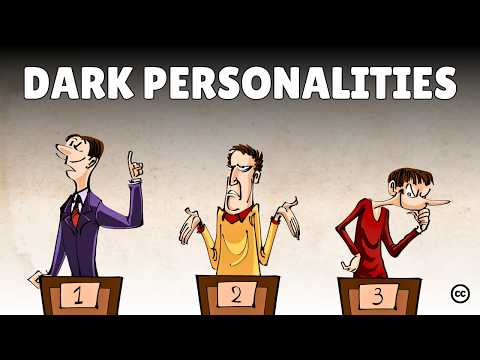
So, let’s chat about something kinda wild: the Dark Triad. Ever heard of it? It’s like this trio of personality traits—narcissism, Machiavellianism, and psychopathy. Sounds intense, right?
These traits might not just be fun to gossip about; they actually pop up in all sorts of places—relationships, workplaces, even politics. Can you believe that?
But here’s the kicker: figuring out how these traits show up in people isn’t as straightforward as you might think. It’s a bit like peeling an onion; there are layers to it!
And trust me, understanding this stuff can give you some serious insights into human behavior. So, let’s dig in and see what this Dark Triad is all about!
Understanding the Dark Triad: A Comprehensive Guide to Personality Psychology (PDF Download)
The Dark Triad might sound a bit ominous, but it’s really just a fancy term in psychology for three personality traits: Narcissism, Machiavellianism, and Psychopathy. These traits aren’t exactly great for your social life or relationships, you know? But they’re crucial in understanding certain behaviors and motivations.
Narcissism is all about that inflated sense of self-importance. Think of someone who constantly seeks admiration or believes they’re better than everyone else. They often need validation like it’s oxygen. For example, you might have a friend who always has to be the star of the show at parties and gets upset if they don’t get enough attention.
Then we have Machiavellianism. This trait reflects a person’s cunning and manipulation skills. It’s like those folks in movies who will do anything to gain power, like lying or deceiving others without an ounce of guilt. Picture someone at work who takes credit for your project just so they can climb the corporate ladder faster. Not cool, right?
Lastly, there’s Psychopathy. This one’s more about emotional detachment and lack of empathy. A person with high psychopathic traits may seem charming on the surface—like that charismatic leader everyone admires—but underneath lies a cold approach to others’ feelings. You know that coworker who always seems unbothered by drama? Sometimes they might be detached enough not to care at all.
Now, not everyone exhibits these traits equally; it’s more like a spectrum. So some people might show signs of narcissism but not be full-blown narcissists, while others could have tendencies from each category.
Understanding these traits is super important in various fields—psychology, business, even relationships—because knowing how someone ticks helps predict their behavior. Like if you’re dating someone who’s highly narcissistic, you might eventually feel drained from constantly needing to support their ego.
Assessing these traits typically involves questionnaires designed to measure where someone falls on that spectrum. Questions can range from «I am more capable than most people» (narcissism) to «I am not concerned about the morality of my actions» (Machiavellianism). These assessments aren’t just academic; they can help identify potential leadership styles or compatibility in teams.
So yeah, the Dark Triad isn’t all doom and gloom; it offers insight into human behavior that can guide personal growth or improve dynamics at work and in relationships. Just keep an eye out!
Discover Your Personality: Taking the Dark Triad Test for Insights on Narcissism, Machiavellianism, and Psychopathy
So, let’s chat about this thing called the Dark Triad. It’s a fancy term that covers three not-so-great personality traits: narcissism, Machiavellianism, and psychopathy. Sounds intense, right? But taking a test to see where you stand can actually help you understand yourself better.
When we talk about narcissism, think of someone who’s super into themselves. They want admiration, they often feel superior to others, and they might lack empathy. You know that friend who always makes everything about themselves? That’s a classic case of narcissism.
Then there’s Machiavellianism. This one’s all about manipulation and using others to get what you want. If you know someone who’s really strategic and might even play with people’s feelings for their own benefit, you’re seeing Machiavellian traits in action. It can be kinda sneaky!
And last but not least is psychopathy. Now this isn’t exactly the same as being a serial killer or anything like that—though it can be pretty extreme! Psychopaths often show a lack of guilt or remorse and can be charming on the outside but totally cold inside. Think of someone who can hurt people without batting an eye.
Taking a Dark Triad test gives you insights into these traits within yourself. The tests usually ask various questions related to your thoughts and behaviors. You might find yourself answering things like, “Do you enjoy manipulating others?” or “Do you think you’re better than most people?” Fun, huh?
Some key points when considering these traits are:
- Self-awareness: Knowing where you fall on this spectrum can help improve your relationships.
- Personal growth: If you’re leaning towards these negative traits, it could be time for some self-improvement.
- Coping mechanisms: Understanding your tendencies may help in managing them.
It’s important to realize that having some degree of these traits doesn’t make you a bad person—it just means you’re human! We all have our quirks.
So why would anyone want to take this test? Well, it could give insights into work dynamics or relationships—like figuring out why you clash with certain colleagues or friends. Maybe they’ve got narcissistic tendencies; maybe it’s just compatibility issues.
In short, the Dark Triad isn’t solely about diagnosing toxicity; it’s more like holding up a mirror to see different shades of our personalities—much like how some people love bright colors while others prefer muted tones. Understanding these darker aspects can lead us toward healthier behaviors and relationships!
Understanding Machiavellianism: Unraveling the Psychology Behind Manipulative Behavior
Machiavellianism is a term you probably hear tossed around in casual conversations, but it’s got some serious roots in psychology. Named after Niccolò Machiavelli, who wrote about cunning and duplicity in politics, this concept focuses on how some people manipulate and exploit others for personal gain. It’s one of the three traits in the Dark Triad of personality, alongside narcissism and psychopathy. Let’s dig into it.
So, what does Machiavellianism look like? At its core, it involves a **focus on self-interest** and **manipulation**. People with high levels of this trait often have no qualms about bending the truth or using charm to get what they want. Picture someone who sweet-talks their way into a job or uses flattery to win favors; that’s a classic example.
Characteristics of Machiavellian individuals:
- Manipulativeness: These folks are good at understanding social dynamics, enabling them to twist situations to their advantage.
- Deceitfulness: They may lie or obscure facts without feeling bad about it.
- Lack of morality: They often act without considering ethical implications.
- Cynicism: A distrustful outlook means they see others mainly as tools for their goals.
It’s important to mention that not everyone displays these traits all the time. Some people might exhibit Machiavellian behavior in specific contexts—like during a cutthroat work competition—but not necessarily across all parts of their lives.
How does this tie into the Dark Triad? Well, while they’re distinct traits, there’s definitely overlap among them. Narcissists might crave admiration and attention but aren’t always manipulative. Psychopaths might engage more in thrill-seeking behavior but can also be very charming and deceitful. The thing is, high scores on any of these traits can lead to troubling interpersonal relationships.
Here’s where it gets interesting: understanding these behaviors can help us navigate tricky social waters. For instance, if you notice someone being overly charming or if their actions seem self-serving more than collaborative, trust your gut! Those are red flags.
A personal example: Imagine you’re working on a group project at school. There’s that one person who always volunteers for the big tasks but never really contributes when it matters most—they just take credit for your hard work later! That kind of behavior often screams Machiavellianism.
Essentially, being aware of Machiavellian tendencies—whether they’re yours or someone else’s—can help you build healthier relationships and develop better coping strategies when dealing with manipulation. It opens up space for genuine connections instead of getting tangled in webs of deceit.
In short, Machiavellianism isn’t just about manipulation; it’s a lens through which we can view complex human interactions. So keeping an eye out for those tendencies can be pretty valuable in our daily lives!
The Dark Triad, huh? It’s such a fascinating topic in personality psychology, but, like, it can also be a little unsettling. The trio consists of narcissism, Machiavellianism, and psychopathy. Each quality brings its own flavor of darkness to the table, you know? It’s like trying to understand those people who always seem just a bit off or manipulative.
I remember chatting with a friend once who was dating this guy. At first, he seemed charming and charismatic—totally the life of the party. But then, she started noticing little things that made her skin crawl. He’d often brag about his achievements and put others down to feel superior. That’s classic narcissism right there! They thrive on admiration but lack empathy for others.
Then there’s Machiavellianism—the puppet master type. This one’s all about manipulation and cunning tactics to get what they want. You know the type: always plotting behind the scenes and using people as pawns in their game. I think of a colleague from my past who always had an agenda when offering help; you could just sense he wasn’t doing it out of kindness.
Lastly, psychopathy is like a cold-blooded fish; it lacks emotional depth. People with high levels of this trait can come off as charming but are often detached from feelings. I once saw someone at work who could deliver bad news with such ease that it felt almost robotic—no care at all for how it impacted those around them.
Assessing these traits can be tricky because they exist on a spectrum. Not everyone exhibiting these behaviors is dangerous or malicious; sometimes it’s just annoying or frustrating behavior to deal with! However, when combined, they can create a pretty toxic individual capable of causing real harm in relationships or workplace dynamics.
So yeah, while understanding the Dark Triad offers insights into personality and behavior patterns that can be super helpful in spotting red flags in people around us, it also challenges us to reflect on our own traits and behaviors too. Are we sometimes a bit narcissistic? Do we manipulate without realizing it? It’s wild how complex human behavior can be!