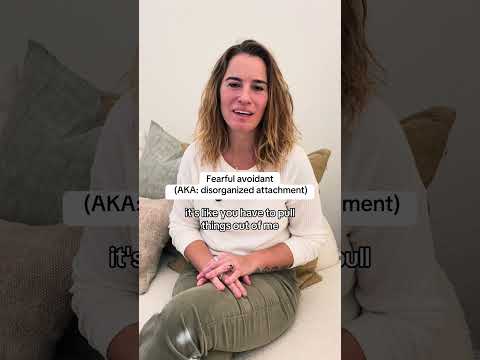
So, you’re dating someone who’s got that fearful avoidant thing going on? Yeah, I get it. It can feel like a rollercoaster ride, right? One moment they’re in, and the next, they’re pulling back.
You might be thinking, “What gives?” It’s confusing and honestly a bit frustrating. You want closeness but sometimes it feels like you’re chasing shadows.
But here’s the deal: understanding where they’re coming from can make all the difference. You know? It’s not about fixing them; it’s about navigating this crazy path together.
Let’s chat about what it means to love someone like this and how you can build trust while keeping your own heart safe.
Building Strong Connections: Strategies for a Successful Relationship with a Fearful Avoidant Partner
Building a strong connection with a fearful avoidant partner can be a bit of a rollercoaster. You see, these folks often crave closeness but are also really scared of it. It’s not easy, but don’t worry; you can absolutely navigate this with some understanding and patience.
Understanding Their Background
First off, it’s super important to recognize where they’re coming from. Fearful avoidant individuals usually have mixed feelings about intimacy. Maybe they’ve experienced trauma or inconsistent relationships in the past, leaving them anxious about being hurt again. So when things get too close, they may pull away. This doesn’t mean they don’t care; it just means they’re trying to protect themselves.
Communication is Key
You might feel like you’re tiptoeing through a minefield sometimes! Open and honest communication can really help pave the way for trust. Try to encourage them to share their feelings without pushing too hard. For example, if they seem distant after an argument, instead of getting frustrated, you could gently ask if they’d like to talk or share what’s going on in their mind.
Create Safe Spaces
This is huge! Making your partner feel safe in expressing themselves is essential. That means no judgment and being patient when they need space. Let’s say you’re having one of those tough conversations; maybe start by saying something like, “I’m here for you whenever you feel ready.” You’ll see how much that can ease their worries.
Acknowledge Their Fears
When your partner shows signs of fear or anxiety about closeness, acknowledge that without trying to fix it immediately. Just say something supportive like “I know this feels overwhelming for you right now.” It demonstrates empathy and lets them know you’re on their side.
Pace Yourselves
Taking things slow can really pay off in the long run. Rushing into deeper commitments might send them running for the hills! Try engaging in low-pressure activities together first—like watching movies or going for walks—before diving into more serious discussions about the relationship.
Practice Consistency
Being reliable and consistent helps build trust over time. If you say you’re going to do something, follow through! Small actions can make all the difference here. If every time they reach out for support you’re there (and okay with that), it reassures them that even if things get messy, you won’t bail.
Encourage Individual Growth
Encouraging your partner to pursue personal interests outside the relationship can boost their confidence and independence while taking some pressure off both of you. It could be anything—from joining a class to picking up a new hobby—and will show them that it’s okay to balance personal space with intimacy.
Navigating a relationship with someone who has fearful avoidant tendencies takes time and effort but can be one of the most rewarding experiences ever! They’re unique individuals who have so much love to give once they feel secure enough to open up fully. With compassion and understanding on both sides, there’s no limit to what your connection can achieve!
Understanding Fearful Avoidant Relationships: Can They Truly Thrive?
When you’re in a relationship with someone who’s fearful avoidant, it can feel like you’re on a rollercoaster. Fearful avoidant attachment means that the person craves closeness but is terrified of it at the same time. This conflict can lead to some pretty confusing dynamics.
You might notice your partner pulling away when things get too intimate, and then suddenly seeking you out when they feel alone. It’s like they want to cuddle but then go hide under the blankets because they can’t handle the emotions that come with being close. You follow me?
So, how can these relationships thrive? Let’s break it down a bit:
- Communication is key. Openly talking about feelings and fears helps build trust over time. Your partner needs to know what you’re feeling too!
- Patience is crucial. Change doesn’t happen overnight. Give them space when they need it, but also let them know you’re there for them.
- Set boundaries. Both of you need to be clear on what’s okay and what isn’t in your relationship. This creates a safer environment.
- Acknowledge their fears. Often, people with this attachment style have past experiences that make them wary of intimacy. Recognizing that these fears are valid can help you both navigate their emotional landscape more effectively.
I remember a friend who dated someone like this. They’d go from deep conversations one night to awkward silence the next day, just because his partner felt overwhelmed by closeness. But instead of running away, my friend learned to talk about how both of them felt in those moments. Little by little, things improved.
You know what? Therapy can also be super helpful for both partners in these types of relationships! It gives space for understanding each other better and discovering personal triggers.
Although many fearfully avoidant relationships have their ups and downs, they can absolutely thrive with the right effort and understanding from both sides! The thing is, being together might require a different approach than in typical partnerships—more empathy and open conversations go a long way!
In short, if you’re willing to put in the work and be patient with each other’s quirks and fears, you might just find a beautiful connection waiting on the other side of all that chaos!
Finding the Ideal Partner for a Fearful Avoidant: Key Traits and Compatibility Tips
Finding the right partner when you’re a fearful avoidant can feel like trying to find a needle in a haystack. It’s not just about compatibility; it’s about understanding and adapting to each other’s emotional landscapes. So, let’s break this down into what really works.
First off, a **fearful avoidant** is someone who struggles with intimacy and often feels anxious about getting too close to others while also fearing rejection. This push-pull dynamic can be tough in relationships. You might find yourself wanting connection but getting scared when things start to heat up.
Now, what kind of traits should you look for in a partner? Here are some key points:
- Patience: A partner who understands that your fears aren’t personal can help a lot. They should know that sometimes you need space. If they can give you that without taking it as rejection, that’s huge.
- Emotional intelligence: Look for someone who can read your emotions (even when you’re not saying much). They should be able to sense when you’re feeling overwhelmed and know how to approach you gently.
- Good communication skills: You’ve gotta be able to talk things out. A partner who is open and honest will create an environment where you feel safe sharing your feelings, even the tough ones.
- Consistency: Stability is key! Partnering with someone who shows up regularly (emotionally and physically) builds trust over time. You want someone reliable because unpredictability can spike anxiety.
- Sensitivity: A sensitive partner knows how to tread lightly around your triggers. They won’t push too hard or too fast—which lets you open up at your own pace.
You see, it’s all about creating an atmosphere where vulnerability feels safe. One time, I had a friend dating someone who was really great at listening without judgment—she felt like she could finally breathe! That kind of support can change everything.
Now, compatibility tips come into play once you’ve found someone who seems promising:
- Take it slow: Rushing into things might send you running for the hills. Let things develop naturally instead of forcing intimacy.
- Create shared experiences: Doing activities together—like hiking or cooking—can build connection without the pressure of deep conversations right away.
- Acknowledge boundaries: Talk openly about what makes each other comfortable or uncomfortable so that there aren’t any surprises later on.
- Encourage independence: Both of you should have space for personal interests outside the relationship; it’s healthy!
Remember when my friend and I went on that road trip? We made tons of memories together without any pressure to hold hands the whole time! That kind of freedom can really help fearful avoidants feel secure.
In short, finding the ideal partner as a fearful avoidant is all about patience and understanding on both sides. Look for those traits that promote safety and trust so you don’t just survive but thrive together!
Navigating relationships can be quite the journey, especially when your partner has a fearful avoidant attachment style. You know, it’s that mix of wanting closeness but also being scared to death of it. I remember a friend who dated someone like this, and honestly, it was a rollercoaster. They’d have these amazing moments of connection, then suddenly pull back for no clear reason. It left her feeling confused and worried.
So, what’s going on with someone who’s fearful avoidant? Basically, they might crave intimacy but feel super anxious about it at the same time. Imagine wanting to jump into a pool but fearing the water will be too cold or just plain scary. That’s how they often feel about relationships.
Communication is key here. It’s tough sometimes because you might find yourself tiptoeing around their feelings, trying not to trigger that fear of closeness. But really, being open about your own needs while validating theirs can make a big difference. Try to create a safe space where both of you can express what you’re feeling without judgment. I mean, wouldn’t you want that for yourself?
And patience is essential too! Their reactions might seem out of nowhere or even exaggerated at times. But remember: it’s not personal; it’s just how they’ve learned to cope with relationships over time. If you’re invested in this relationship, you’ve gotta be ready to ride those waves together.
You might also find that encouraging small steps toward vulnerability helps—like sharing little things first before diving into deeper stuff. Kind of like easing them into the water rather than pushing them off the diving board.
In all this complexity, don’t forget to take care of yourself too! It’s easy to get so wrapped up in their needs and fears that you lose touch with your own emotions and boundaries. So definitely check in with yourself regularly.
Relationships with someone who has a fearful avoidant attachment style can be challenging but also deeply rewarding if both partners are willing to work on things together. Just remember: love isn’t always straightforward; sometimes it’s messy—and that’s okay!