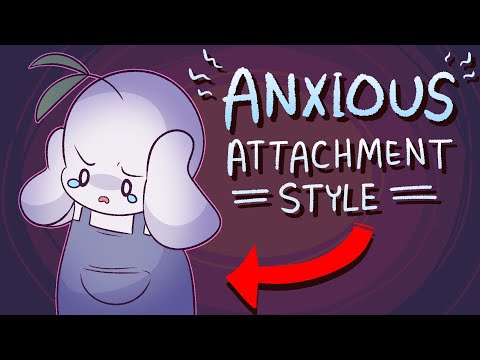
You know that feeling when you just can’t shake off the worry that your partner might not love you as much as you love them?
Yeah, that’s like classic anxious attachment style talk. It can really mess with your mind and heart, huh?
But here’s the thing—you’re not alone in this. Lots of people struggle with these feelings. It’s tough out there!
Sometimes it feels like you’re on a roller coaster of emotions. One minute everything’s great, then suddenly your brain starts racing with all these what-ifs.
So let’s chat about navigating love when those anxious vibes creep in. It can feel overwhelming, but together we can figure it out!
Understanding and Supporting Your Partner: Loving Someone with Anxious Attachment Style
Understanding your partner when they have an anxious attachment style can feel like you’re embarking on a journey through a maze. But seriously, it’s not as daunting as it seems. Let’s break it down!
Anxious attachment style usually stems from early childhood experiences. If someone grows up feeling their needs weren’t consistently met—like when caregivers were unpredictable—they might develop this anxious attachment. They often crave closeness and reassurance but fear rejection or abandonment. You might see them seeking constant validation or worrying about losing you. It’s like they’re on high alert all the time.
Now, knowing this is half the battle. Communication is key here. One thing you can do is encourage open conversations about feelings without judgement. For instance, if your partner expresses anxiety about your relationship, don’t brush it off. Instead, listen and validate their feelings while reassuring them of your commitment.
But wait! It’s not just about talking; actions speak just as loud! Consistency in your behavior can help soothe those anxious thoughts swimming in their head. That means being reliable—if you say you’ll call, then call! Small gestures like random texts to check in can make a world of difference too.
And then there’s the whole issue of bumping heads. Sometimes, outbursts might happen over seemingly small issues, like what to eat for dinner or how late you’ll be out with friends. This frustration usually roots back to deeper fears of not being valued or prioritized in the relationship. When disagreements arise, try to approach them calmly and remind them that you’re a team working through things together.
You could also help by exploring coping strategies that work for both of you when anxiety kicks in—things like mindfulness exercises or breathing techniques can really help put those racing thoughts at ease!
Let’s talk about boundaries. It’s crucial for both partners to know what feels okay and what doesn’t in terms of emotional availability and space. While it’s important to be there for each other, it doesn’t mean sacrificing your own needs or well-being.
And here’s where it gets interesting! Keep reminding them that it’s okay to have moments of insecurity; that’s part of being human! Just reassure them that they don’t need to feel ashamed about their feelings; you’re here for the long haul.
Finally, remember that support goes both ways; make sure you’re taking care of yourself too! Navigating love with someone who has an anxious attachment style means regular check-ins with yourself to maintain balance in the relationship.
So yeah, loving someone with an anxious attachment style takes patience and understanding on your part but also gives you a chance to grow together!
Overcoming Anxious Attachment: Steps to Heal and Strengthen Your Relationship
So, let’s talk about anxious attachment. It’s like having a little storm cloud following you around in your relationships, right? People with anxious attachment often worry too much about their partner’s love and commitment. This can lead to feeling insecure and constantly seeking reassurance.
Understanding Your Attachment Style is the first step towards healing. You might notice you get super clingy or have a hard time trusting your partner. Recognizing these patterns can help you understand why you feel the way you do. Think of it like figuring out a puzzle; once you see all the pieces, things start to make sense.
The next thing to do is communicate openly. This means sharing your feelings with your partner when you’re feeling anxious. Like, if you’re bothered by something they said or did, instead of bottling it up, just talk it out. It’s scary at first but communication can really strengthen your bond.
- Journal Your Feelings: Writing down your thoughts can put things in perspective. It’s like having a mini therapy session with yourself!
- Practice Self-Soothing: Do things that make you feel good when anxiety kicks in—like listening to music or going for a walk.
- Avoid Overthinking: When you’re feeling worried about your relationship, ask yourself if there’s actual evidence for those fears instead of just spiraling into doubt.
This might sound cliché, but try building self-esteem. When we feel good about ourselves, we’re less likely to cling onto someone else for validation. You know those days when everything just clicks and you’re feeling great? That’s what you’re aiming for!
A biggie here is breathe through the anxiety. Seriously! Deep breathing exercises can really help calm those racing thoughts before they take over. Just sit in a quiet spot and inhale deeply through your nose, hold it for a few seconds, then exhale slowly. Like magic! Your heart will slow down too.
If you’re struggling to cope on your own, consider therapy. A therapist can give you tools specific to what you’re dealing with in relationships and help unravel some of those tangled emotions. There’s no shame in reaching out for support; it’s strength, not weakness!
Anecdote time! I knew this guy named Jake who had anxious attachment issues—couldn’t go more than an hour without checking his girl’s social media because he was terrified she’d find someone better. Once he started recognizing these anxiety triggers and worked on communicating his feelings more openly, his relationship got way better! Crazy how just talking helped ease loads of worries.
If you’re seriously committed to healing that anxious attachment style over time, it’s all about patience and practice! Remember: it’s not some overnight fix; it’s more like building a solid foundation. Celebrate even the teeny steps forward along the way—you totally deserve that!
You’ve got this! Healing isn’t always smooth sailing but every effort counts towards strengthening those precious relationships.
Exploring Love: Do Anxious Attachers Experience Rapid Romantic Connections?
When it comes to love, people with an anxious attachment style often feel things deeply and quickly. You might think of them as the «hopeless romantics» of the relationship world. They crave connection and intimacy but can get a bit overwhelmed by their own feelings. Basically, they want love like it’s a warm blanket on a cold day—comforting and all-encompassing.
Anxious attachers tend to jump headfirst into romantic relationships. Why? Because they’re searching for that deep emotional bond. This can lead to some pretty rapid connections at the start. You know those stories where you meet someone, and it feels like you’ve known them forever? That’s often what happens with anxious attachers. It’s exciting, right?
However, with all that passion comes some intense emotions too. Once they connect, anxiety can creep in pretty fast if things start feeling uncertain or if their partner pulls away even a little bit. So what does this mean when you’re navigating love? Well, understanding their tendencies is key.
- Intense Feelings: Anxiously attached individuals feel emotions strongly and often confuse infatuation with true love.
- Quick Attachments: They form attachments rapidly due to their desire for closeness.
- Fear of Abandonment: Once connected, they may become overly anxious about losing that connection.
- Cycling Emotions: The thrill of falling in love can quickly shift to fear if they sense any distance.
Imagine Sarah—she meets someone at a coffee shop, and within days they’re sharing deep secrets and talking about future plans. But as soon as she senses he’s not texting back as much, her heart races. Is he losing interest? This is classic for someone with an anxious attachment style.
But here’s the twist: while these quick connections bring warmth and excitement initially, they can also lead to turbulent relationships later on. If both partners don’t recognize this pattern or communicate effectively, it could create tension and misunderstandings.
Recognizing these patterns early on is super important. It’s like having a map in uncharted territory—it helps avoid pitfalls along the way! Communication becomes your best friend here; talking openly about feelings can ease those fears that come from being anxiously attached.
In summary, yes—anxious attachers do often experience rapid romantic connections because they crave intimacy so intensely! Just remember that while those initial sparks can be electrifying, keeping an eye on emotional health is essential as things move forward. It’s all about balance; knowing when to lean in closer while also respecting each other’s space can help build something truly lasting!
Navigating love with an anxious attachment style can be, well, a bit of a rollercoaster. You know those times when you feel super connected to someone, but then, out of nowhere, your mind starts racing? Like, what if they don’t text back right away? Or what if they’re upset and just not saying it? You end up overthinking every little thing. It’s a wild ride!
I remember this one time I was dating someone new. Everything felt electric at first—he was charming and funny, and I thought we had something special. But then he went a few days without texting me. And boy, my mind spiraled. Was it something I said? Did he lose interest? Those thoughts kept circling like vultures. It wasn’t long before my anxiety was in full swing.
The anxious attachment style is all about craving closeness but also fearing abandonment. It’s like you want to lean in and get cozy with someone but the moment it feels like they might pull away, panic sets in. It’s so confusing! You might find yourself constantly seeking reassurance or feeling jealous even when there’s no real reason for it.
But here’s the thing: understanding that this is part of how you’re wired can help. It doesn’t mean there’s something wrong with you; it just means your brain has learned to be on high alert when it comes to relationships. Learning to communicate those feelings instead of letting them fester is key. Tell your partner how you’re feeling! Well, okay—it’s easier said than done sometimes, I get that! Vulnerability can feel scary as hell.
Also, practicing self-soothing techniques can really help too. Seriously—you know those moments when you feel your heart racing or anxiety bubbling up? Finding ways to calm yourself down—like deep breathing or going for a walk—can make such a difference.
At the end of the day, love is complicated enough without adding anxiety into the mix! But acknowledging what you’re dealing with gives you a better shot at creating a healthy relationship. Just remember: it’s totally okay to have those feelings and you’re definitely not alone in this messy journey called love!