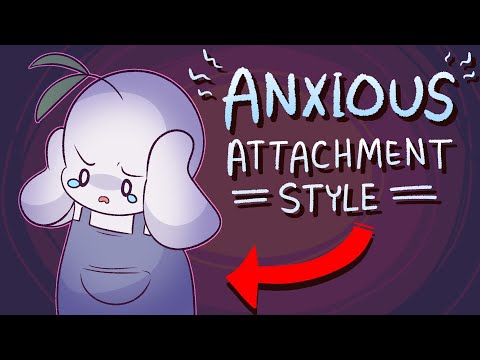
You know how love can feel like a rollercoaster? Seriously. One minute you’re on cloud nine, and the next, your stomach’s in knots.
If you’ve ever felt super clingy or anxious about your partner’s feelings, welcome to the club! It’s called an anxious attachment style, and it can be a tricky ride.
It’s like having a GPS that keeps rerouting you to the wrong destination every time you think you’re on the right track. Frustrating, right? But there’s hope!
Let’s chat about how to navigate romance when these feelings pop up. You might just find some solid ground to stand on. Ready? Let’s get into this!
Understanding Anxious Attachment Styles: Take Our Quiz to Navigate Romantic Relationships
When it comes to romantic relationships, understanding your attachment style can be a game changer. If you’ve got an anxious attachment style, you might find yourself feeling a bit different about love and connection compared to others. It’s like you’re constantly on high alert, worried about your partner leaving or not feeling as connected as you’d like. Let’s break this down.
Anxious attachment styles usually develop from early experiences with caregivers. If they were inconsistent or neglectful, it might make you feel like you need reassurance all the time in your adult relationships. You know that nagging feeling that something’s off? Yep, that’s often rooted in anxiety about being abandoned or not being valued enough.
Here are some signs of anxious attachment:
- Constant Need for Reassurance: You might find yourself asking your partner if they love you way more than they probably should. It can feel like you’re always seeking validation.
- Fear of Rejection: Little things might trigger a wave of panic. For example, if they don’t text back right away, your mind may spiral into thoughts like “Did I say something wrong?”
- Overanalyzing Interactions: That seemingly innocent comment could have layers, right? You may spend loads of time thinking about what it really meant.
- Difficulties with Independence: You find it hard to spend time apart without feeling anxious or lonely.
Let’s talk a bit more about how this plays out in real life. Imagine Sarah and Tom—Sarah always needs reassurance from Tom that he loves her after every minor disagreement. When Tom is busy and doesn’t reply instantly to her texts, Sarah starts imagining worst-case scenarios: maybe he doesn’t care as much as she thought? This cycle leaves her feeling drained and confused.
But here’s the good news: recognizing these patterns is the first step! Once you understand where these feelings come from, it can help in navigating those emotional waves. One strategy is communication—let your partner know what you’re feeling instead of hiding behind assumptions or fears.
Working through an anxious attachment style means building trust. It takes practice! Maybe try journaling your thoughts when you’re feeling insecure—it gives you a chance to reflect rather than react immediately.
Overall, learning about these patterns isn’t just fascinating; it’s super helpful for improving relationship dynamics. So if this resonates with you—or even if you’re just curious—taking a quiz can be an engaging way to explore how your attachment style influences your romantic life.
Effective Strategies for Navigating a Relationship with an Anxious Attachment Partner
When you’re in a relationship with someone who has an anxious attachment style, things can get a bit tricky sometimes. But don’t worry! Understanding what that means and how to navigate it can make a big difference.
Understanding Anxious Attachment
So, first off, anxious attachment usually comes from childhood experiences. People with this style often fear abandonment or feel insecure in their relationships. It’s not uncommon for them to crave closeness but push away at the same time. It’s like being on a rollercoaster of emotions! You might find your partner needing constant reassurance or feeling upset when you’re away from them.
Communicate Openly
One of the most effective strategies is to keep communication lines wide open. If your partner feels insecure, they might misinterpret silence or delays as personal rejection. Practicing clear communication helps build trust. For example, just letting them know you’ll be busy for a bit but will check in later can ease their worries significantly.
- Set Consistent Check-Ins: Regularly touch base can provide comfort.
- Encourage Them to Express Needs: Let them know it’s okay to share feelings without fear of judgment.
Avoid Triggers
Understanding what triggers their anxiety can make all the difference too. Sometimes it’s about being mindful of situations or topics that can stir those old fears. For instance, if they get anxious when you talk about making plans without them, maybe involve them in those decisions.
Create Security
Building a sense of security is key! This could be as simple as establishing rituals together—maybe Sunday brunch or weekly movie nights. It gives your partner something solid to look forward to and reinforces that you’re committed.
- Be Predictable: Try to keep the routine stable; predictability breeds comfort.
- Acknowledge Their Feelings: If they express fear or insecurity, take it seriously—even if it seems minor.
You Take Care of Yourself Too
Now, while you’re there for your partner, don’t forget about yourself! Being supportive doesn’t mean neglecting your own needs and feelings. Because too often, we put ourselves on the back burner and then feel overwhelmed later. Make sure you have your own support network—friends, family, or even therapy—to lean on when things get tough.
Pace the Relationship
Sometimes intensity can ramp up the anxiety levels in these relationships. So pacing everything—like how quickly you dive into deeper emotional conversations—can help keep things calm.
- Create Boundaries: Healthy boundaries protect both partners’ emotional well-being.
- Avoid Overloading with Emotions: Share little pieces instead of throwing everything out at once.
In all this messiness called love, patience wins out as one of the most important strategies for navigating life with an anxious attachment partner. Recognizing that they’re working through their own set of fears allows both partners to show up better for each other.
So yeah! Just remember: relationships take work from both sides, but understanding where your partner is coming from makes everything easier—and way more rewarding too!
Navigating Love: Insights on Dating with Two Anxious Attachment Styles
So, let’s chat about what it’s like to date when both you and your partner have anxious attachment styles. Seriously, it can feel like you’re dancing on a tightrope, right? You both want closeness and connection but might constantly worry about losing each other or not being good enough. It’s a bit of a rollercoaster ride.
You know how sometimes, when you’re anxious, your brain can go into overdrive? One little thing—like a missed text or not getting an “I love you” back right away—might send your heart racing. And if both of you are feeling that way? Well, things can get pretty intense.
An anxious attachment style generally means you crave reassurance and fear rejection. When two people like this come together, they could easily fall into the trap of constantly seeking validation from one another. When one person feels anxious about something, the other might mirror that anxiety—making everything feel more heightened.
Communication is key. You need to talk openly about what you’re feeling. If something’s bothering you, express it instead of letting it simmer under the surface. If you notice your partner is a bit distant or quiet, ask them what’s going on instead of assuming they don’t care. This way, you’re both reducing misunderstandings and building up trust.
Set boundaries. Knowing how close is too close can help prevent overwhelming each other with neediness. Maybe agree on regular check-ins throughout the day. This ensures you’re both feeling seen without crowding each other’s space.
Also, recognize those patterns that could lead to unhealthy dynamics. For instance, if either of you tends to get clingy when stressed out or starts playing games with who texts first—woah—that’ll just fuel more anxiety! Instead of making assumptions based on silence or delays in texting back (which we all do), just shoot a message saying “Hey! Just checking in!”
Another thing: Practice self-soothing techniques when those anxiety feelings pop up. Try deep breathing or grounding exercises together as a couple! Seriously! When those anxious thoughts knock at the door, having strategies in place will help calm things down without spiraling out of control.
Lastly, don’t forget to celebrate each other’s wins! If your partner shares something personal that’s been weighing them down and they had the courage to open up—acknowledge that effort! It helps build trust and makes both of you feel valued.
In short, dating with two anxious attachment styles isn’t impossible but does take some care and understanding from both sides. Recognizing your tendencies can help create healthier patterns over time as long as you’re willing to work on things together! Take it step by step—you got this!
You know, when it comes to romance, things can get pretty complicated. Like, really complicated. If you’ve ever found yourself overthinking a text from your partner or feeling way too clingy after a fight, you might just be dealing with an anxious attachment style.
So picture this: imagine you’re out on a date, and everything seems awesome. But then, just as you’re starting to relax and enjoy, that little voice in your head kicks in—what if they don’t like me? What if I said something stupid? It’s almost as if someone hit the panic button in your brain! That’s the thing about anxiety; it loves to crash the party when you’d rather just be having fun.
People with anxious attachment often crave closeness but worry about being abandoned. It’s like being on a roller coaster—you’re excited for the ride, but there’s a good chance you’ll scream along the way. You might find yourself wanting reassurance from your partner all the time or reading between the lines of their actions way too much.
I remember chatting with this friend who always checked her phone after every tiny interaction with her boyfriend. She’d say things like, “He used three exclamation points in his last message—is he upset?” And I’d think—wow! If only we could turn down that volume of self-doubt just a notch!
Navigating romance can feel exhausting sometimes, especially when you’re constantly searching for signals of love or approval. But here’s the good news: understanding your attachment style can be super helpful. It’s not about changing who you are but rather learning how to communicate better and express what you truly need.
You might want to talk openly with your partner about how you feel. Like seriously—just say it! “Hey, I need some reassurance.” You’d be surprised at how willing people can be to meet those needs if they understand where you’re coming from.
And hey, don’t forget self-compassion! Treat yourself lovingly through those anxious moments. Everyone has their quirks in love; embrace yours instead of fighting against it.
So yeah, navigating romance with an anxious attachment style is definitely challenging at times—but being aware of it can lead to healthier relationships and deeper connections down the line! It’s all part of learning how to love better—not just others but yourself too.