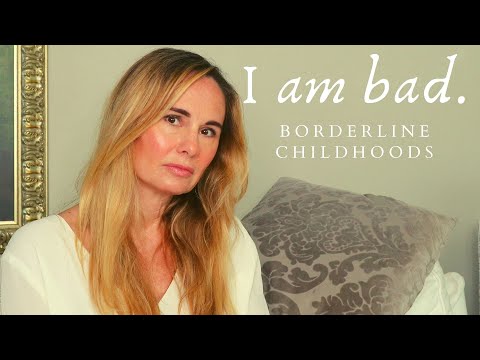
So, let’s talk about something pretty intense—growing up with a borderline mother. That can really shape you, you know? It’s like living in a constant emotional rollercoaster. One minute you’re her favorite, and the next, it feels like you’ve turned into the enemy.
I mean, those ups and downs can leave some serious marks. Trust me, I’ve seen it happen. You might feel lost or maybe even question your own reality sometimes. It’s tough stuff.
But here’s the thing: healing is possible! Seriously! There are ways to navigate this wild journey and reclaim your story. You don’t have to stay stuck in that cycle.
This is about discovering those paths—finding your voice and learning how to thrive despite everything. So, grab a cup of something nice and let’s chat about what this looks like for you.
Healing from the Impact of a BPD Mother: A Path to Emotional Recovery
Healing from the impact of growing up with a mother who has Borderline Personality Disorder (BPD) can be quite the journey. It’s not just about feeling hurt; it goes deeper, affecting how you see yourself and connect with others. Many daughters raised by mothers with BPD struggle with feelings of shame, anxiety, and low self-esteem. So let’s break this down.
Understanding the Impact
When you have a mom with BPD, her emotional rollercoaster can leave you feeling like you’re walking on eggshells. One minute she might be loving, and the next, she could be angry or withdrawn. It’s confusing and exhausting. You might find yourself constantly trying to manage her moods rather than focusing on your own needs.
Imagine this: one day, your mom praises you for a drawing you made, showering you with love and compliments. But then a few days later, she could lash out over something small like forgetting to take out the trash. This inconsistency can make you doubt your worth, leading to a cycle of anxiety and self-doubt.
The Path to Healing
Healing is totally possible but takes time and effort. Here are some steps on that journey:
- Acknowledge Your Feelings: First off, it’s vital to recognize that your feelings are valid. It’s okay to feel hurt or confused about your relationship with your mom.
- Seek Professional Help: Talking to a therapist who gets BPD can be super helpful. They can help you understand what you’re going through and offer coping strategies.
- Set Boundaries: Learning how to set boundaries is crucial for your emotional safety. This could mean deciding when you’re willing to engage in conversations or even how much time you spend together.
- Connect With Others: Surrounding yourself with supportive friends or support groups can remind you that you’re not alone in this experience.
- Focus on Self-Care: Take care of yourself emotionally and physically! Engage in activities that bring joy—like painting, hiking or even just chilling out with friends.
The Role of Self-Compassion
A big part of healing is learning to be kind to yourself. You might have internalized negative messages from your childhood—feelings of unworthiness or guilt that are hard to shake off. Practice self-compassion by reminding yourself that it’s okay not to be perfect.
Think about treating yourself like you’d treat a good friend who’s struggling; you’d probably encourage them instead of tearing them down, right? Do the same for yourself!
Finding Your Voice
Another important step is learning how to express what you’ve experienced while also asserting your needs moving forward. Maybe writing in a journal helps; it gives voice to things simmering inside without judgment.
Over time, as you process these emotions and experiences, you’ll likely start finding empowerment in your story instead of pain.
Facing challenges growing up with a BPD mother isn’t easy—it’s heavy stuff! But remember: healing is not linear; there will be ups and downs along the way. Keep showing up for yourself everyday; that’s where real growth happens!
Understanding the Impact of Borderline Personality Disorder on Daughters: Emotional Challenges and Growth
Borderline Personality Disorder (BPD) can be super challenging, especially when it comes to relationships between mothers and daughters. It’s like, imagine growing up with a mom who swings from love to rage in a heartbeat. Daughters of mothers with BPD often face emotional rollercoasters that can shape their own identities and experiences.
First off, let’s talk about the emotional challenges. One key issue is the fear of abandonment. When your mom’s emotions are all over the place, you might feel like you’re walking on eggshells. You may constantly worry about losing her love or approval. This fear can lead to anxiety in relationships as you start to question if others will leave you too.
Another thing is emotional dysregulation. It’s common for daughters raised by borderline mothers to struggle with their own emotions. Growing up in an unpredictable environment often leads to a hard time figuring out what they feel—like, one minute they might be happy, and the next they’re feeling empty or angry without knowing why. That’s rough!
And let’s not forget about identity issues. Daughters can easily get caught up in their mother’s intense emotions and struggles, losing sight of who they really are. This could manifest as trying too hard to please others or avoiding conflict at all costs because they fear confrontation.
So what does growth look like here? Well, it often involves a lot of self-discovery. Many daughters eventually realize that they need to set boundaries and cultivate their own identities separate from their mother’s moods or needs. That journey isn’t easy—it takes time and courage.
Also, therapy can play a huge role in healing. Engaging with professionals who understand BPD can help daughters navigate those tricky feelings of abandonment and build healthier coping mechanisms. They learn that it’s okay to express emotions rather than hide them away.
Support groups also offer valuable insights! Sharing experiences with others who’ve walked similar paths can feel relieving—it shows you’re not alone in this chaos.
In short, understanding the impact of BPD on daughters opens up a conversation about emotional challenges and growth opportunities. Dealing with fear of abandonment or identity confusion isn’t simple. But through self-exploration and support systems, many find paths toward healing that allow them to thrive despite their past experiences!
Understanding the Impact of a Mother with Borderline Personality Disorder on Family Dynamics
Growing up with a mother who has Borderline Personality Disorder (BPD) can be a rollercoaster ride. I mean, it’s not just about the ups and downs of emotions; it’s like living in a constant state of unpredictability. Seriously, one minute you feel loved, and the next, it’s chaos. Let’s unpack how this affects family dynamics.
First off, BPD is characterized by intense emotional experiences and unstable relationships. Imagine your mom having extreme reactions to even small things. It could be as simple as forgetting to ask her about her day—you might find her spiraling into anger or sadness. That makes everything tense at home.
- Emotional Turbulence: The emotional climate can shift quickly. If you’re a daughter in this situation, you might end up walking on eggshells, trying to avoid any triggers.
- Lack of Consistency: There might be days when your mother is incredibly affectionate and supportive, while other days she can’t handle it at all. This inconsistency makes developing trust really hard.
- Difficult Boundaries: Mothers with BPD often struggle to maintain healthy boundaries. You might find yourself feeling overly responsible for her feelings or problems because she constantly seeks validation or reassurance.
- Coping Mechanisms: To deal with all the chaos, you may develop unhealthy coping mechanisms yourself. Daughters often put their own needs aside—sacrificing their emotional health to keep peace at home.
This dynamic doesn’t just affect the relationships between mothers and daughters—it spills over into the entire family system too. Everyone feels it!
Siblings may feel unsupported or neglected if they’re not being used as emotional buffers for mom’s highs and lows. Family gatherings? They can quickly turn into battlegrounds rather than loving experiences when emotions run wild.
A good example is when family members try to calm things down during an outburst; they might inadvertently take sides or become enablers instead of helping everyone heal together. This tension creates divisions that linger long after the dust settles.
If you feel like you’ve been shaped by this experience, know that healing is absolutely possible! But it doesn’t happen overnight—seriously.
- Therapy: Engaging in individual therapy can help you navigate those complicated feelings while learning how to set boundaries and prioritize self-care.
- Create Supportive Networks: Finding friends or support groups who understand what you’ve been through can provide relief and validation—and that’s huge!
- Developing Self-Compassion: Learning to be kind to yourself during this process is so important because shame will only make things tougher.
Moms with BPD may have their struggles—but so do their kids, right? Yet there’s hope for rebuilding those connections if both parties are open to understanding each other better over time.
The journey isn’t easy but remember: your experiences don’t define your future! You have strength inside you that deserves nurturing—a light waiting to shine through all that chaos!
Growing up with a mom who’s got borderline personality traits can really mess with your head, you know? It’s like walking on eggshells one minute and then suddenly being swept up in a whirlwind of emotions the next. I’ve talked to plenty of people who’ve felt that sting. One friend described how her mom could shift from loving to angry, and back again, all within the span of a single conversation. It really leaves a mark.
So what does healing look like for daughters of these moms? Well, it’s not some magic fix—it’s more like a maze that you have to navigate. Some folks find therapy incredibly helpful. Talking to someone who gets it can be such a relief. It allows you to unpack all those tangled feelings without fear of judgment. Imagine finally getting words out that make sense of your experience!
And then there’s self-care, which is super important but often overlooked. It could be as simple as picking up a hobby you love or finding solace in nature—a little act of kindness towards yourself can go such a long way. But honestly, healing is all about figuring out what works for *you*. Maybe it’s journaling, meditating, or just spending time with supportive friends who lift you up.
For some people, reconnecting with their own identity feels crucial too. When you’ve spent so much energy adapting to someone else’s mood swings and needs, rediscovering what makes you tick can feel pretty monumental. It’s like stepping out from under someone else’s shadow into your own light.
And hey, don’t forget about boundaries! Learning how to establish and hold onto them isn’t just vital; it can feel empowering too. You get to define your own space—what’s acceptable and what isn’t—without feeling guilty about it.
The journey might have its bumps; I mean, sometimes you’ll take two steps forward only to feel like you’re sliding back down again. But that’s okay! It’s all part of the process—slow progress is still progress!
Ultimately, healing isn’t this linear path—it twists and turns like life’s ups and downs do. It might feel daunting at times, but every step matters in shaping a healthier future for yourself. So if you’re on this journey or starting to think about it? Just know you’re not alone—there are lots of us navigating those tricky waters together.