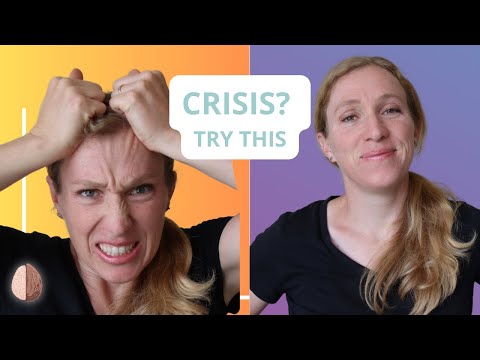
You know those days when your emotions feel like a rollercoaster? Up and down, all over the place? Yeah, me too.
Sometimes, it’s like you just can’t catch a break. You’re happy one minute, then bam—sad or angry for no reason. It’s exhausting!
That’s where DBT comes in. Dialectical Behavior Therapy is all about figuring out how to ride those emotional waves instead of getting knocked off your surfboard.
It’s about skills. Cool ones that help you chill out or stand strong when things get tough.
So, if you’re ready to take control of those feelings and boost your mental wellness, let’s dig into some DBT techniques together! Sound good?
Mastering DBT Techniques: Essential Strategies for Managing BPD Symptoms
Dialectical Behavior Therapy (DBT) is like a toolbox for managing emotions, especially if you’re grappling with Borderline Personality Disorder (BPD). It can be super helpful in learning how to navigate those intense feelings you might experience. So, let’s break down some essential DBT techniques.
First off, there’s mindfulness. It sounds fancy, but it’s just about being present in the moment. For instance, if you’re feeling overwhelmed, take a few minutes to focus on your breath or listen to the sounds around you. That can really help ground you.
Then we have distress tolerance. This is all about surviving those moments when emotions are climbing through the roof. You might try using the “TIPP” skills:
- Temperature: Splash cold water on your face.
- Intense exercise: Get your heart racing even just for a few minutes.
- Paced breathing: Slow down your breath; inhale for four counts and exhale for six.
- Progressive muscle relaxation: Tense and relax each muscle group to release tension.
And oh man, these can work wonders for those tough times!
Next up is emotion regulation. This one helps you identify what you’re feeling and how to manage it better. For example, if you notice yourself getting upset because of a trigger (like an argument), try naming that emotion first. Acknowledging it can sometimes take away its power.
Another key technique is interpersonal effectiveness. This focuses on improving communication skills and relationships. Let’s say you’ve got a friend who keeps interrupting you — instead of blowing up at them, use “DEAR MAN” which stands for Describe the situation, Express how it makes you feel, Assert your needs clearly while being respectful, Reinforce what they will get out of responding positively and more.
It’s also important not to forget about self-compassion. Folks dealing with symptoms of BPD can be really hard on themselves. Try treating yourself like you’d treat a good friend going through something similar — with understanding and kindness.
Lastly—and this one might surprise ya—radical acceptance. Basically means accepting things as they are without judgment or fighting against reality. If something bad happens that’s outta your control, acknowledging that can actually lessen the emotional burden.
So yeah, mastering these DBT techniques takes practice but trust me—when you’re in those dark moments where every feeling seems magnified, having these strategies in your back pocket makes a big difference! Just remember that it’s okay to reach out for support while working through this stuff too; therapy can be such a vital part of this journey.
Mastering Emotional Regulation: Effective DBT Techniques for Better Mental Health
When you’re trying to manage your emotions, it can feel like riding a relentless rollercoaster. One moment you’re up, and the next, you feel like you’re plummeting into the depths of despair. That’s where **Dialectical Behavior Therapy (DBT)** comes in handy. It’s all about teaching you solid skills to help you navigate those wild emotional waves.
So, let’s get into some of those techniques that can really ramp up your emotional regulation game.
1. Mindfulness is a huge part of DBT. Think of it as tuning in to the present moment without judgment—like taking a step back and observing what’s going on inside your head without being overly reactive. For example, if you’re feeling anxious before a big presentation, instead of spiraling into worst-case scenarios, take a few deep breaths and just notice those feelings as they come up. It’s like watching clouds float by; you see them but don’t have to chase after them.
2. Distress Tolerance skills are all about getting through tough times without making things worse. Sometimes life throws curveballs that we just can’t handle right away. In these moments, try distraction techniques or self-soothing methods—like listening to music or going for a walk. You might be surprised how much better you feel after changing your environment even just for a little while.
3. Emotion Regulation involves identifying and labeling your emotions accurately. It helps to recognize what you’re feeling first before trying to do anything about it! So if you’re feeling angry or sad, name it! Try writing down what you’re feeling and why—it sort of takes the power out of intense emotions when they’re on paper instead of swirling around in your mind.
4. Interpersonal Effectiveness is crucial too! This is all about balancing your own needs with respect for others’. If there’s a conflict brewing with someone close, use “I” statements—like “I feel hurt when…” This way, you’re stating how their actions impact you rather than blaming them straight-out. This approach often leads to more productive conversations.
Now here’s something I touched on earlier: emotion validation. It’s super important when dealing with feelings that seem overwhelming or confusing; like when your friend feels bad because they didn’t get that promotion they wanted but struggle talking about it because they think they shouldn’t feel that way at all! Reminding them it’s okay to feel disappointment can make such a difference in how they process their experience.
And don’t forget about **self-compassion**! Sometimes we beat ourselves up way too much for our feelings—like thinking we should just «get over» them already! But look—you’re human! Allow yourself some grace during tough moments; go ahead and treat yourself like you’d treat a good friend who’s struggling.
Incorporating these DBT techniques into your daily life may take time and practice, but that’s totally normal! Just remember: emotional regulation isn’t about suppressing feelings; it’s about learning how to respond thoughtfully rather than react impulsively.
So as you work through this process, keep noticing what works best for *you*. Everybody’s different when it comes to handling emotions, and that’s part of the journey too—you know? Mastering these skills could lead you toward better mental health one step at a time!
Exploring the Six Key Principles of Dialectical Behavior Therapy for Effective Mental Wellness
Dialectical Behavior Therapy, or DBT, is a unique approach that helps many folks manage their emotions and improve their relationships. It’s built around six key principles that guide people on their journey to emotional wellness. Let’s break these down.
1. Mindfulness
This is about being present and fully experiencing the moment without judgment. Imagine sitting in your favorite café, sipping coffee while actually savoring each sip instead of scrolling through your phone. Mindfulness teaches you to notice thoughts and feelings as they come, which can help reduce anxiety and increase self-awareness.
2. Distress Tolerance
Life can throw curveballs that feel overwhelming. Distress tolerance skills help you get through tough moments without making things worse. It’s like when your friend breaks up with their partner, and instead of diving into a binge-watch of sad movies alone, they call you to talk it out or go for a walk. They’re using distress tolerance to cope better.
3. Emotion Regulation
Understanding your emotions is crucial for mental wellness. Emotion regulation helps you identify what you’re feeling and why, allowing you to manage intense emotions more effectively. For instance, if you’re feeling super angry after an argument at work, recognizing that emotion helps you figure out whether it’s worth addressing directly or letting it go.
4. Interpersonal Effectiveness
Building healthy relationships can be tricky! This principle focuses on communication skills that help you express needs while respecting others’ boundaries. Think about a time when you had to ask someone for help – being assertive yet polite makes all the difference in getting the response you want.
5. Validation
It’s important to acknowledge your feelings as real and understandable. Validation is like giving yourself a high-five for feeling upset about something; it recognizes that your emotions matter! You might remember a time when someone just listened when you were venting – that feeling of being heard goes a long way in healing.
6. Dialectics
This principle is all about balance—you’re striving to find the middle ground between opposites in your life or emotions. For example, maybe you struggle between wanting solitude and craving connection with friends; dialectics reminds you that both feelings are valid, allowing space for compromise—like having quiet nights in but planning social outings too.
So there ya go! These six principles together create a solid framework for mental wellness through DBT techniques. If people can learn how to navigate overwhelming emotions using these tools, they often find themselves on a smoother path toward emotional balance and healthy relationships.
You know, emotions can be like a rollercoaster sometimes. One minute you’re just fine, and the next you’re knee-deep in a whirlwind of feelings that feels impossible to sort out. I remember this one time I was having a pretty decent day when suddenly, out of nowhere, I got hit with this wave of anxiety. It was like my thoughts started spiraling, and I felt trapped inside my own head. And honestly? It was exhausting.
That’s where something like Dialectical Behavior Therapy (DBT) comes in. It’s kind of this amazing toolkit for handling all those intense emotions and everyday struggles. Basically, DBT is about finding balance—you know, like not letting your feelings take the wheel all the time while also acknowledging that they’re real and valid.
So let’s talk about some of those DBT techniques for a sec. One of ’em is mindfulness. Sounds fancy, huh? But really it’s just about being present. You focus on your breathing or notice what’s happening around you without judgment. Like when you’re feeling overwhelmed with emotion, taking a minute to breathe can seriously help ground you again.
Then there’s distress tolerance skills—perfect for when things get super tough and you feel like screaming into a pillow or bingeing Netflix until the sun comes up! Instead of diving headfirst into those big feelings and spiraling downwards, these skills encourage you to ride out the wave without making it worse. Think distractions: go for a walk, listen to music, or maybe even call a friend who gets it.
And let’s not forget emotional regulation—because sometimes feelings aren’t just annoying; they can be downright debilitating! DBT teaches you how to understand your emotions better so they don’t control your actions or decisions. You learn to identify what you’re feeling and why—and from there, figure out how to respond in healthier ways.
I mean, it’s not always easy; sometimes I still struggle with it myself! But when I apply these techniques during those rough patches—like that anxiety attack I had—I feel more empowered to make choices rather than just react impulsively. It might seem small but hey—taking even one step back can make all the difference.
In wrapping up all this rambling about emotions and DBT skills: it’s really about learning how to navigate through life’s ups and downs with more grace. So if you’re wrestling with intense feelings—or heck, even if you’re just finding everyday life stressing—you might find some comfort in giving these techniques a shot! Because at the end of the day? We all deserve mental wellness—even amidst our emotional chaos.