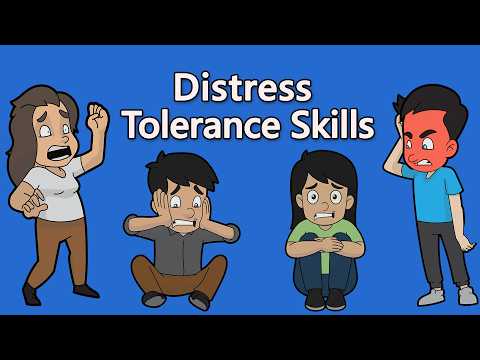
So, let’s talk about crises. You know those moments when everything feels like it’s spinning out of control? Seriously, it can be overwhelming. But guess what? You’re not alone in this.
Coping strategies can be your lifeline, especially if you’re navigating something like Dialectical Behavior Therapy (DBT). It’s all about finding ways to keep your head above water.
Imagine being able to pause, take a beat, and figure things out without totally losing it. Sounds good, right?
In this little chat, I’m gonna share some strategies that could really help you manage those intense moments. Just like a friend would do—no pressure, just support. So, let’s get into it!
Essential DBT Crisis Survival Skills: Download Your Free PDF Guide
Crisis moments can feel like you’re standing on a tightrope, right? One wrong move and you’re plummeting into chaos. That’s where **Dialectical Behavior Therapy (DBT)** comes in with its set of skills designed to help you survive those urgent situations.
So, what are these crisis survival skills all about? Well, DBT is all about teaching you how to manage intense emotions and distress when they hit. Here’s a breakdown of some essential skills that can help navigate those really tough times.
- Self-soothing techniques: When everything feels overwhelming, try engaging your senses. You could listen to your favorite song or wrap yourself in a cozy blanket. These little things can calm your mind and body.
- Distraction: Sometimes it helps to take your mind off things, even for a bit. Pick up a hobby—like doodling or knitting—or binge-watch that show you’ve been meaning to check out.
- Mindfulness: This is about being present in the moment without judgment. You could practice taking deep breaths or focus on what you can see around you—a tree outside, the color of the sky, anything! It pulls you back from spiraling thoughts.
- Radical acceptance: It sounds intense, but accepting reality as it is can be freeing. Instead of battling against difficult feelings or situations, try acknowledging them. Like saying, “This is hard but it’s my current reality.”
- Emotion regulation: This involves recognizing what you’re feeling and why. Maybe you’re angry because someone said something hurtful. Identifying those triggers helps keep emotional responses in check.
Imagine this: You’re having one of those days where every little thing seems like a big deal—maybe you had an argument with a friend or just woke up feeling off. It’s easy to spiral into anxiety or sadness. But if you pause and use something like self-soothing techniques—like sipping herbal tea while listening to calming music—it can ground you again.
Importantly, these crisis survival skills don’t just snap your fingers and make everything okay! They take practice and patience. You might not get it right every time; that’s totally normal.
And if you’re looking for more structured guidance on DBT skills, downloading a free PDF guide could be super helpful! It would give you more detailed exercises and illustrations for each skill mentioned above.
So remember: navigating through crises isn’t about eliminating the storm; it’s about learning how to sail through it without capsizing!
Mastering DBT Crisis Survival Skills: Essential Worksheets for Mental Well-Being
Mastering DBT Crisis Survival Skills can feel like a lifeline when you’re caught in emotional turmoil. Dialectical Behavior Therapy (DBT) is all about equipping you with practical skills to navigate tough moments. It’s like having a toolkit ready for when the storm hits. The essentials you’ll want to know usually involve crisis survival skills that help maintain your emotional well-being.
When you’re in the thick of it, sometimes the simplest strategies are what pull you through. Think about these core DBT concepts:
- Distract Yourself: When emotions run high, diverting your attention can create some breathing room. Grab a book, go for a walk, or binge your favorite show.
- Self-Soothe: Engage your senses to calm down—sip tea, listen to soothing music, or take a warm bath. This helps ground you.
- Improve the Moment: Focus on what’s beautiful or comforting around you. Picture a serene beach or recall a happy memory; imagination works wonders.
- TIPP Skills: This includes techniques like changing your body temperature by splashing cold water on your face, which can snap you out of an emotional spiral.
You might not realize it right now, but being aware of these strategies can really empower you. For example, I remember talking to a friend who felt overwhelmed during finals week. She just couldn’t cope with all that pressure piling up! Using distraction techniques helped her focus on lighter things—she started doodling and ended up feeling way better about facing her studies.
Now let’s talk about worksheets related to these skills. They’re super handy for reinforcing what you’ve learned and helping keep you on track during crises. They typically have sections where you can jot down your thoughts or feelings when emotions hit hard.
Using worksheets encourages self-reflection and understanding triggers that usually lead to overwhelming feelings. Like, when those intrusive thoughts creep in? You can fill out what’s happening in the moment and how you’re feeling—this process helps make those feelings less chaotic.
And hey, even though these skills come from DBT, feel free to adapt them as they suit your style! Maybe combining some with yoga or mindfulness practices might make them feel more personalized for you.
Remember—you’re not alone in this journey of mastering DBT crisis survival skills! There are resources available and people who genuinely want to support you through it all. Embrace learning at your own pace; getting familiar with these tools takes time but leads to real growth in managing challenges.
So keep those skills close at hand; they may just be what helps tilt the odds back into your favor during emotional storms!
Mastering DBT Crisis Survival Skills: Finding Balance for Effective Emotion Regulation
So, you’re in the thick of a crisis, and everything feels like a whirlwind. You know that sinking feeling when emotions seem too intense, like a storm you just can’t escape? Seriously, it happens to all of us. That’s where DBT—or Dialectical Behavior Therapy—comes in with some solid skills you can use to help calm the chaos.
First off, you’ve got crisis survival skills. These are like your emotional first aid kit. They help you manage those overwhelming moments without losing control. Think of them as tools that can ground and stabilize you during tough times.
One key skill is distraction. When emotions are running high, pulling your focus away can be super helpful. You could call a friend, watch a funny movie, or even dive into a hobby you love. Whatever takes your mind off the stressors for a bit is great!
Another vital skill is self-soothing. This means doing things that comfort you. Maybe it’s taking a warm bath, lighting a candle with your favorite scent, or wrapping yourself up in a cozy blanket. These little acts can create a sense of safety and calm.
Then there’s mindfulness. It sounds fancy but really it’s just about being present with yourself—no judgment! Try focusing on your breath or noting what’s happening around you without getting sucked into it emotionally. Picture this: you’re sitting outside and listening to birds chirping while feeling the breeze. Simple moments like that can really anchor you.
Another biggie is using radical acceptance. This doesn’t mean saying everything is okay when it’s not; rather, it’s accepting reality as it is right now without fighting against it. So if things feel outta control at work or home, remind yourself that’s the current situation—but it’s not permanent!
It’s also crucial to consider emotion regulation skills. This helps keep emotions from hijacking your brain completely. You might explore ways to express feelings healthily instead of letting them bubble over in unhealthy ways—like journaling or talking to someone who gets it.
Lastly, remember that practicing these skills takes time and patience—like learning any new thing! Maybe you’ll stumble along the way or have days when nothing seems to work; that’s totally okay!
So yeah, mastering these DBT crisis survival skills isn’t about perfection; it’s more about finding balance in those chaotic times when everything feels heavy. Just think of them as steps on your personal journey toward emotional stability and resilience. You got this!
Alright, let’s chat about coping strategies for dealing with a DBT (Dialectical Behavior Therapy) crisis. You know, those moments when everything feels like it’s crashing down? They can be super overwhelming. I remember a time when a friend of mine felt like they were juggling ten flaming torches while standing on a tightrope. It was chaotic! But with some solid coping strategies, they found ways to keep their balance.
First off, let’s talk about awareness. Seriously, just being able to notice when you’re spiraling can help so much. It’s like standing in front of a mirror and saying, “Okay, I see you,” instead of ignoring what’s happening inside. When my friend did this, it was like the first step to catching those runaway thoughts before they took full control.
Next is grounding techniques. Maybe you press your feet against the floor and feel the solidness beneath you. Or snap a rubber band on your wrist—yikes! But it pulls you back to reality in an instant. My buddy swears by counting things around them; like, “I see three red cars!” It can really help shift focus from that raging storm inside your head.
Then there’s distress tolerance skills like distraction or self-soothing. Sometimes it’s as simple as grabbing your favorite blanket and curling up with some tea or watching a goofy show that makes you laugh until your sides hurt. Laughter truly is awesome medicine! My friend found that putting on their favorite music helped them zone out from the chaos for a bit.
And hey, remember to reach out for support when you need it! Talking to someone who gets it—whether it’s friends or therapists—is so valuable during those crisis moments. Don’t underestimate the power of just saying what you’re feeling aloud; it’s kind of liberating!
Lastly, practice mindfulness—being present can really shift how you handle crises over time. Even if just for a minute or two each day! My friend started doing short breathing exercises and found that they really helped calm racing thoughts.
So yeah, dealing with tough times isn’t easy by any stretch of the imagination; but equipping yourself with these strategies can make navigating those DBT-related crises feel way more manageable—you follow me? Take care!