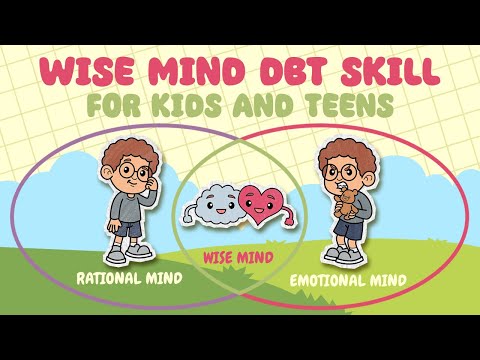
You know how sometimes your thoughts get all jumbled up? Like, one minute you’re fine, and the next, you’re stuck in a mental maze? It happens to all of us.
That’s why I want to share something cool with you. It’s called dbt Define. Seriously, it’s not some fancy term that makes you feel lost.
Think of it as a tool to help untangle your mind and grow in your mental health journey. It’s all about figuring things out without the extra noise.
So if you’re curious about taking a step toward feeling better, keep reading! You might just find something that clicks for you.
Understanding DBT: A Comprehensive Guide to Dialectical Behavior Therapy in Mental Health
Dialectical Behavior Therapy, or DBT, is a type of therapy that takes the best parts of cognitive-behavioral techniques and mixes them with mindfulness practices. It was originally created to help folks with borderline personality disorder (BPD), but it’s turned out to be super helpful for a bunch of other issues too, like depression, anxiety, and even PTSD.
So, what’s the deal with DBT? Well, it’s all about finding balance. The term «dialectical» means looking at two sides of something at once. In DBT, you learn to accept your feelings while also working on changing those feelings. Sounds pretty neat, huh?
DBT has four main parts that really help you get a handle on your emotions and actions:
- Mindfulness: This is the core skill in DBT. Mindfulness teaches you to pay attention to what’s happening right now without getting lost in your thoughts or judgments. For example, when you’re feeling anxious about something—like a big presentation—you could practice being present by focusing on your breathing or the sensations in your body.
- Distress Tolerance: Life can throw some serious curveballs sometimes! Distress tolerance skills are all about learning how to cope when things get tough without resorting to unhealthy behaviors. Imagine you’re feeling really overwhelmed; instead of turning to behaviors like drinking or self-harm, you could try self-soothing techniques like taking a warm bath or listening to music.
- Emotion Regulation: This part helps you understand and manage your emotions better. For instance, if you often feel angry and it leads to fights with friends, emotion regulation skills would help you identify triggers and find healthier ways to express frustration—like using “I feel” statements instead of just lashing out.
- Interpersonal Effectiveness: This is all about improving communication and relationships with others. You’ll learn how to be assertive without pushing people away or giving in too much. So if there’s someone in your life who keeps crossing boundaries and making you uncomfortable—you’ll have tools for bringing that up effectively.
Honestly, one cool thing about DBT is that it can be done in different formats—like individual therapy sessions or group skills training classes—which makes it accessible for different needs.
Maybe you’re curious about the commitment? Well, because it’s such a structured approach with specific goals in mind—like helping you build lasting emotional resilience—it usually takes some time and effort to go through all the skills thoroughly.
The essence here is that DBT meets people where they are—navigating their struggles while also providing powerful tools for making meaningful changes moving forward. It recognizes that life can be complex—and learning how to handle those complexities head-on is totally possible!
And hey, just remember: if any of this resonates with you or someone close, reaching out for support from a mental health professional familiar with DBT can make a world of difference!
You know, when it comes to mental health, we often think about therapy and all the big emotions that come with it. But there’s this cool tool called dbt Define that’s making waves in the mental health world. It’s not your typical therapy session or deep conversation. Instead, it’s more like a friendly chat with yourself about what you’re feeling and how you can grow.
I remember a time when I was struggling with my own thoughts—feeling overwhelmed and kind of lost. It felt like a fog had rolled in, making everything seem heavy and confusing. One day, I decided to sit down and really take stock of what was going on in my mind. That’s when I stumbled upon this idea of defining my feelings instead of just brushing them aside. So I started jotting things down; the good, the bad, the ugly—everything.
So what’s dbt Define all about? Well, it’s a part of Dialectical Behavior Therapy (DBT), which focuses on balancing emotions and promoting growth through self-awareness. In simple terms, it’s all about identifying what you’re feeling—like really diving into those emotions instead of just skimming the surface. By doing this, you can understand where these feelings are coming from and what they might be trying to tell you.
Being clear about your feelings can make such a big difference! Like one time, I found myself scribbling down “anxiety” while trying to figure out why I was avoiding social gatherings. Just naming it made me realize that it wasn’t about hating people; it was more about my fear of judgment or not fitting in. Once you name those feelings, they lose some power over you.
You get to take control here! By harnessing dbt Define, you’re basically giving yourself permission to embrace your emotional landscape without judgment or shame. It’s like shining a flashlight into that foggy area of your mind—you see things clearer than before.
When you put definitions to your experiences—whether it’s happiness, sadness, anxiety or joy—it allows for growth in unexpected ways. You learn how to cope better because now you know exactly who you’re dealing with emotionally speaking! And honestly? It can feel empowering when you start seeing the patterns in your thoughts and actions.
And sure, there will still be tough days ahead; that’s part of life. But with dbt Define tucked under your belt as a handy tool for self-discovery, those tough moments become opportunities for learning rather than walls blocking your path forward.
All in all, getting cozy with your emotions makes a huge difference in nurturing mental health growth over time. So maybe grab a journal or pull up an app—and start defining away! You just might find that brighter path through the fog after all…