So, let’s chat about something cool today—dialectics in mental health. You might be wondering what that even means, right?
Well, it’s kind of a fancy word for balancing opposites. It sounds complicated but think of it like this: you can feel sad and happy at the same time. Crazy, huh?
If you’ve ever tried to make sense of your thoughts and feelings swirling around in your head, you’re not alone. Seriously!
That’s where dialectical behavior therapy (DBT) comes into play. It’s all about helping you find that balance and manage those feelings better. So, stick around as we dig into how these ideas can seriously help you or someone you care about feel a bit more grounded in this wild ride we call life.
10 Effective Dialectical Behavior Therapy Examples to Enhance Emotional Resilience
Dialectical Behavior Therapy, or DBT, is a super interesting approach used to help folks manage their emotions better. It combines cognitive-behavioral techniques with mindfulness. Seriously, it’s all about finding balance and building emotional resilience. So, let’s break down some effective examples of DBT practices that can really make a difference.
1. Mindfulness Skills
Mindfulness is like training your mind to just be in the moment. Instead of getting lost in worries about the past or future, you focus on what’s happening now. You might try exercises like deep breathing or simply observing your surroundings without judgment.
2. Distress Tolerance
When emotions run high, it’s easy to make rash decisions. Distress tolerance skills teach you how to survive tough moments without going overboard. An example could be the «TIPP» skills: Temperature (splash cold water on your face), Intense Exercise (get your body moving), Paced Breathing (slow it down), and Paired Muscle Relaxation (tension and relaxation).
3. Emotion Regulation
This one’s about understanding and managing your emotions effectively. Keeping a mood journal can be helpful here; it lets you track which situations trigger certain feelings and how you reacted to them.
4. Interpersonal Effectiveness
Learning how to communicate effectively with others can totally change the game for relationships! Use strategies like «DEAR MAN» to express what you want while being respectful: Describe what you want, Express how it makes you feel, Assert your needs, Reinforce positive outcomes, Mindfully listen, Appear confident, Negotiate if needed.
5. Radical Acceptance
Sometimes things don’t go as planned—like when a friend cancels last minute or life throws curveballs at you. Radical acceptance means acknowledging reality as it is instead of fighting against it. It doesn’t mean you have to like what happened; it’s just about accepting the moment.
6. Chain Analysis
A little detective work never hurt anyone! This involves breaking down situations that led to emotional responses by identifying triggers and understanding the chain of events that followed.
7. Self-Soothing Techniques
When stress hits hard, having quick self-soothing techniques handy can prevent an emotional spiral—think warm baths or listening to your favorite tunes that calm you down.
8. Validation Practices
Validating yourself or others can really help during tough times—you recognize feelings as real and understandable instead of dismissing them as silly or unimportant.
9. Opposite Action
If you’re feeling something intense—like anger or sadness—you might wanna try doing something opposite to that feeling! For instance, if you’re sad and want to isolate yourself, make an effort to reach out for social connection instead.
10. Values Clarification
What do you truly care about? This exercise encourages reflection on your core values and helps align daily actions with them—this way, even when emotions get messy, you’ll have a stable foundation guiding your choices.
DBT isn’t a one-size-fits-all thing; it’s about finding what resonates most with *you*. Whether you’re facing challenges in relationships or just trying to cope with life’s ups and downs, these examples can seriously enhance emotional resilience over time!
Exploring the Six Key Components of Dialectical Behavior Therapy for Mental Health
So, you’ve heard about Dialectical Behavior Therapy (DBT) and you’re curious about what makes it tick, right? This therapy is a big deal in mental health circles, especially for folks dealing with intense emotions or behavioral issues. It’s like a combo of cognitive-behavioral techniques and mindfulness practices. Let’s break down the six key components that make DBT so effective.
1. Mindfulness
This is where it all starts. Mindfulness is all about being present—like really present—in the moment. It helps you observe your thoughts and feelings without judgment. Imagine sitting quietly and noticing each breath you take. That’s mindfulness in action. It’s super helpful when emotions are running high, giving you a kind of pause before reacting.
2. Distress Tolerance
Life throws curveballs, right? Distress tolerance skills help you handle those tough moments without freaking out or resorting to unhealthy coping strategies. Think of it as having tools in your toolbox for when things get chaotic—like having a fancy umbrella for when the rain starts pouring unexpectedly.
3. Emotion Regulation
This one’s huge! Emotion regulation teaches you how to understand and manage your emotions effectively. You learn to identify what you’re feeling and then figure out healthy ways to cope with those feelings instead of just letting them overwhelm you. For example, if you’re feeling angry, instead of lashing out, maybe you’d take a walk or write in a journal.
4. Interpersonal Effectiveness
Relationships can be tricky—seriously! Interpersonal effectiveness skills help you communicate better and build healthier relationships with people around you. You learn how to ask for what you need while still being respectful of others’ needs too. It’s like negotiating peace treaties but more day-to-day and way less dramatic.
5. Walking the Middle Path
Here’s where dialectics comes into play—a fancy way of saying “finding balance.” You learn that two seemingly opposite things can both be true at the same time, which can feel super freeing! For example, it’s okay to feel happy about achieving something while also being anxious about what’s next.
6. Group Skills Training
Often in DBT, you’ll find yourself in a group setting where everyone learns these skills together. This is great because sharing experiences makes them more relatable and gives extra support from peers who understand what you’re going through—kind of like an emotional workout squad!
DBT has a lot going on under the surface but at its core, it fosters growth by blending acceptance with change—a pretty powerful combo! With these six components working together, many people find themselves navigating life’s ups and downs with more ease than ever before.
So there you have it! Understanding these components can give you insight not only into DBT but also into building emotional resilience overall!
Understanding DBT Therapy: A Comprehensive Guide to Dialectical Behavioral Therapy Techniques
Dialectical Behavior Therapy, or DBT, is one of those buzzworthy terms in mental health that actually lives up to the hype. It’s a special kind of therapy that mixes cognitive-behavioral techniques with concepts like mindfulness and acceptance. So, what’s the big deal? Well, let’s break it down.
What’s DBT About?
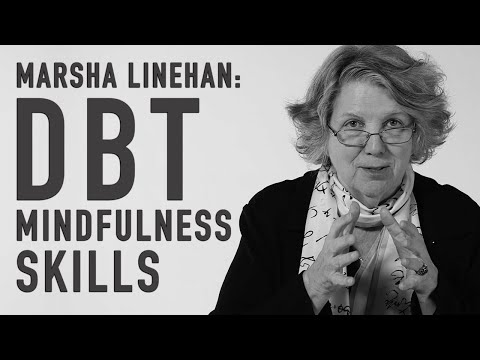
DBT was created by Dr. Marsha Linehan back in the 1980s, mainly to help folks struggling with intense emotions and behaviors. Imagine feeling everything—happiness, sadness, anger—like it’s turned up to eleven on a dial. That’s where DBT comes in. It aims to help people manage those overwhelming feelings and improve their relationships.
Core Techniques of DBT
DBT revolves around some key techniques that make it unique:
- Mindfulness: This is about being present in the moment. You know how sometimes your mind races with thoughts about yesterday or worries for tomorrow? Mindfulness helps you just be here now.
- Distress Tolerance: Life can throw curveballs at you, right? This skill teaches you how to handle crises without making things worse. So when emotions hit hard, you’ve got tools in your toolbox.
- Emotional Regulation: Think of this as your emotional steering wheel. It helps you recognize and change intense emotions before they take control.
- Interpersonal Effectiveness: Relationships are tough! This part of DBT focuses on how to communicate effectively and build healthier connections with others.
The Structure of DBT
DBT usually includes both individual therapy sessions and group skills training. In individual therapy, you’ll work one-on-one with a therapist who focuses on your unique situations and challenges. Group skills training is where you learn those four core skills mentioned earlier in a supportive setting.
Anecdote Time!
Picture someone named Jamie who always felt like they were on an emotional rollercoaster ride—up one minute, down the next. After starting DBT, Jamie learned about mindfulness and discovered that taking five minutes to focus on breathing could seriously change their mood! Instead of reacting immediately when things went south, they started pausing first. Not saying it was magic or anything—but slowly Jamie noticed some pretty cool changes in how they handled stress.
The Role of Dialectics
Now let’s chat about dialectics itself—it sounds fancy but it’s pretty straightforward! In DBT, dialectics means finding balance between two opposites—like acceptance and change. You’re learning to accept where you are while also working toward bettering yourself.
So basically—and I mean *really* basically—you’re saying “I can be okay as I am right now” but also “I want to grow.” It sounds simple but can be really powerful when put into practice!
The Bottom Line
DBT isn’t for everyone but can be enormously helpful for those dealing with intense emotions or certain mental health conditions like borderline personality disorder (BPD). If you’re curious about it for yourself or someone else—chatting with a therapist who specializes in DBT might just be worth your time!
At the end of the day, understanding these techniques might not solve everything overnight—but they give you solid tools for tackling life’s challenges head-on!
Alright, let’s chat about dialectics, particularly in the context of DBT, or Dialectical Behavior Therapy. You might have heard of it as this super cool therapeutic approach that helps folks manage intense emotions and improve relationships. But what’s this whole dialectics thing?
Think of dialectics as a way to hold two opposing ideas at once. Like, you can love someone deeply but still find them frustrating, or be so proud of yourself while also wanting to grow more. It’s not about choosing one over the other; it’s more like embracing the complexity of being human. You follow me?
Let me share a quick story. I once had a friend who was going through a really tough time with anxiety. She felt stuck between wanting help but also being afraid of facing her feelings. We talked about how it felt to be both scared and brave at the same time—how it was okay to feel overwhelmed yet still take tiny steps forward. Just sitting with that mix of emotions was so freeing for her! That’s dialectics in action.
Now, when therapists use dialectics in DBT, they’re basically helping clients understand and accept that life isn’t always black-and-white. In fact, it’s usually all these shades of gray where we wrestle with competing thoughts and feelings. It encourages people to consider alternative perspectives and helps reduce that all-or-nothing thinking that can be pretty paralyzing.
Additionally, DBT mixes up acceptance (like validating your feelings) with change (trying new behaviors). This combo is powerful! Imagine feeling accepted for who you are while also feeling motivated to change aspects of your life—you know what I mean? It just hits different.
Overall, using effective dialectics in mental health practice is all about helping you navigate life’s messiness without getting lost in it. You learn to sit with those complicated feelings instead of pushing them away or being overwhelmed by them. And honestly, that’s a game-changer for so many people out there dealing with emotional struggles or relationship challenges.
So if you’re ever wrestling with conflicting thoughts or emotions—remember: it’s okay! Embrace that complexity because that’s where growth really happens.