You ever have those days where your feelings are all over the place? One minute you’re on top of the world, and the next, it feels like you’re stuck in a fog. Yeah, we’ve all been there.
Sometimes, it’s tough to even figure out what you’re really feeling. That’s where an emotions worksheet can hop in and help out.
Think of it as a little guide to unpacking that emotional luggage you carry around. It’s a simple way to get to know yourself better and, honestly, just breathe a bit easier.
So let’s jump into this together. It could be pretty eye-opening!
Downloadable Emotions Worksheet for Mental Health and Self-Exploration: PDF Guide for Personal Growth
Emotions are tricky little things, aren’t they? Sometimes, they can feel like a wild rollercoaster ride, and other times like you’re just stuck in a rut. This is where an Emotions Worksheet comes into play. It can really help you get to know what’s going on inside your head and heart.
Those worksheets come in handy for digging deeper into your feelings. You might think, “Why do I need a worksheet for that?” Well, it’s not just about jotting things down—it’s about creating a space to explore what makes you tick. Seriously, writing things down can clarify thoughts swirling around in your mind.
So, let’s break down what these downloadable worksheets typically cover:
- Identifying Emotions: You’ll often find sections that prompt you to name your feelings. Are you anxious? Happy? A bit angry? Writing it out helps pinpoint what’s really happening.
- Exploring Triggers: Many worksheets guide you to think about what triggered those emotions. Maybe that tension at work got you feeling stressed or a chat with an old friend brought back joy.
- Understanding Reactions: Reflecting on how you reacted to those emotions is crucial. Did you lash out? Shut down? Knowing this helps change future responses.
- Acknowledging Needs: Sometimes our feelings signal unmet needs. The worksheet might have prompts asking what would help soothe those feelings—like needing space or reaching out for support.
- Setting Goals: Lastly, some sheets encourage setting small goals based on your reflections. Maybe you decide to take a walk when you’re stressed or reach out to someone when lonely.
Here’s the thing: using an emotions worksheet isn’t about overcomplicating stuff; it’s more about getting in touch with yourself. Think of it as a tool for self-exploration—each time you write something down, you’re piecing together bits of who you are.
Imagine sitting down with one of those sheets after a long day at work where everything felt overwhelming. You start jotting down “frustrated” and realize that this feeling stems from unmet expectations at work—like when your boss piled more projects on without asking if you’re swamped already. That little moment of clarity can shift how you view the entire day!
So yeah, whether you’re looking for personal growth or simply want to navigate the emotional waves life throws at you, an emotions worksheet could be worth checking out. Just remember: it’s not about being perfect; it’s about being real with yourself and taking things one step at a time!
Unlock Your Feelings: Free Emotions Worksheet for Self-Discovery and Mental Well-Being
So, let’s talk about feelings for a minute. You know, those tricky little things we all experience? Sometimes, they can feel like a whirlwind in our heads—hard to pin down and even harder to express. That’s where something like a feelings worksheet comes into play. It’s not just some random paper; it can serve as a tool for self-discovery and improving your mental well-being.
Basically, a feelings worksheet helps you break down what you’re feeling and why you might be feeling that way. When you’re aware of your emotions, it’s like switching on a light in a dark room—you start to see things clearer. This isn’t just for people who are “struggling” either; everyone has emotions worth exploring!
Here are some pointers about how this whole thing can help:
- Identifying Emotions: You might think, «Okay, I’m feeling something,» but pinpointing what that “something” is can be tough. A worksheet prompts you to describe what you’re feeling in detail—like happy, sad, frustrated, or overwhelmed. It gets specific!
- Understanding Triggers: Ever notice how certain situations make you feel specific ways? Maybe a friend’s comment gets under your skin or seeing an old song reminds you of an ex. The worksheet encourages you to explore these triggers so you’re not just reacting without knowing why.
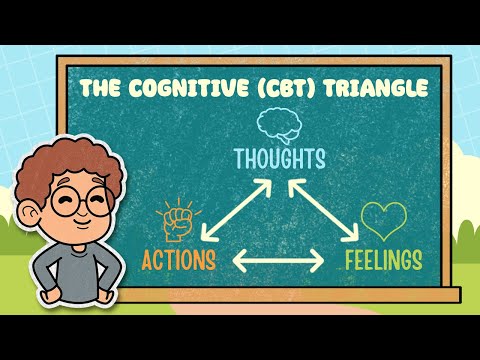
- Exploring Thoughts: Emotions don’t come from nowhere—they often stem from thoughts we might not even realize we’re having. A worksheet can guide you through your thought processes and uncover patterns that might be affecting your mood.
- Connecting with Your Body: Feelings can manifest physically too! Sometimes when I’m anxious, I get this knot in my stomach. A good worksheet helps center those bodily sensations and connects them to the emotions you’re experiencing.
- Finding Solutions: Once you’ve figured out what you’re feeling and why you’ll be better equipped to find ways to cope or manage those emotions. It’s not about pushing them away but understanding them better.
Now picture this: Imagine sitting at your kitchen table with just yourself and this worksheet spread out in front of you—a quiet moment amidst maybe all the chaos outside. You start jotting down what happened today that made you feel off-balance or maybe even joyful! You dive deeper into why it stirred up those feelings—what memories it brought back or how it relates to current events in your life.
What’s pretty cool is that regularly using one of these worksheets can lead to profound changes over time. Just like training muscles by lifting weights—repeatedly going through your emotions builds emotional resilience and self-awareness.
One last thing: no one expects perfection here! Some days you’ll fill out the worksheet quickly; other days it could feel like pulling teeth—or you might skip it altogether—and that’s totally okay! The idea is progress over perfection.
So next time you’re wrestling with how you’re feeling, consider grabbing one of those worksheets (you can find plenty online) and giving it a shot. And remember—you’re not alone on this journey of unlocking emotions; we’re all in this together trying to figure ourselves out step by step.
Free PDF: Emotions Worksheet for Self-Exploration and Mental Health Improvement
Emotions can be like a rollercoaster, right? One minute you’re on top of the world, and the next, you’re spiraling down. It’s totally normal to experience all sorts of feelings—happiness, sadness, anger, confusion. Understanding these emotions is key to improving your mental health. That’s where an emotions worksheet comes in handy.
So, what’s this emotions worksheet all about? Think of it as a tool for self-exploration. It helps you dive into your feelings and get a clearer picture of what’s going on inside your head and heart. You can use it to track moods or pinpoint triggers—those pesky things that set off emotional reactions.
When you fill out one of these worksheets, you’re basically doing some personal detective work. You might list different emotions you’ve felt throughout the week, like anger one day and joy another. Then you reflect on what caused those feelings. Maybe something as simple as a compliment made you happy or an argument with a friend left you feeling ticked off.
Here are a few points about how this worksheet can boost your mental health:
- Awareness: Tracking your emotions creates self-awareness. You start noticing patterns over time.
- Clarity: It gives clarity to complex feelings. Like trying to untangle that knot in your shoelaces—you start seeing what needs fixing.
- Coping Strategies: Once you know what triggers certain emotions, you can develop coping strategies. For example, if stress from work is causing anxiety, maybe planning breaks or talking it out with someone could help.
- Journaling Benefits: Writing down thoughts offers mental relief too. It’s like taking everything swirling around in your mind and spilling it onto paper.
Now here’s something interesting: sometimes people find it hard to identify their emotions accurately. You might feel “bad” without knowing whether it’s sadness or frustration creeping in. This worksheet usually includes lists of emotions that help pinpoint exactly what you’re feeling at any moment.
A little story for ya: I once knew someone who often felt overwhelmed but couldn’t figure out why. One day they started using an emotions worksheet consistently and found out that stress was triggering feelings of inadequacy—like they were never doing enough at work or in personal life. Just acknowledging those feelings helped them talk to their boss about workload concerns and set boundaries with friends.
It’s kinda wild how spotting these emotional threads can lead to real change! So if you’re curious about why certain days feel heavier or lighter than others or just want to connect better with yourself emotionally, check out an emotions worksheet for some serious self-exploration.
In the end, giving yourself space to reflect is super valuable for mental health improvement! Just be patient with yourself—you’re not gonna solve everything overnight but every little step counts!
So, emotions can be, like, a real rollercoaster sometimes, right? You know those days when you feel a little cloud hanging over you and other times, it’s sunshine and rainbows? It’s all part of being human. That’s why using an emotions worksheet can be pretty helpful. It lets you sort through what you’re feeling instead of just rolling with it—or being totally lost in the chaos.
Imagine you’re having a tough day. Maybe you woke up feeling anxious for no clear reason. When you take a moment to jot down those feelings—like “nervous,” “frustrated,” or even “sad”—it’s kinda like shining a flashlight in a dark room. You start to see what’s really going on instead of letting everything swirl around in your head.
And here’s the thing: emotions worksheets aren’t just for the bad days. They help you celebrate the good stuff too! Aren’t those moments of joy so precious? When you’ve had a great day and are feeling excited or proud, writing that down can help you remember how to chase that feeling again later on.
I remember once filling out an emotions worksheet after I had a huge fight with my friend. At first, I was just really mad and didn’t want to talk about it at all. But once I started writing down how I felt—angry, hurt, confused—a light bulb went off in my head. By the end of it, I could see things from my friend’s perspective better than before. It turned out we both just needed to talk it out.
Using this kind of tool is like keeping a map of your emotional landscape. You get to explore where those feelings come from, what triggers them, and how they bounce around inside you. It might feel odd at first—kind of like trying to work out some new yoga pose—but over time it becomes easier and more intuitive.
So if you’re looking for some clarity or even just a way to appreciate your own feelings more, give an emotions worksheet a shot! It’s all about taking time for yourself—to dissect what you’re feeling—so that when life throws its ups and downs at you again (and trust me, it will), you’ll have better tools in your emotional toolbox to handle it all!