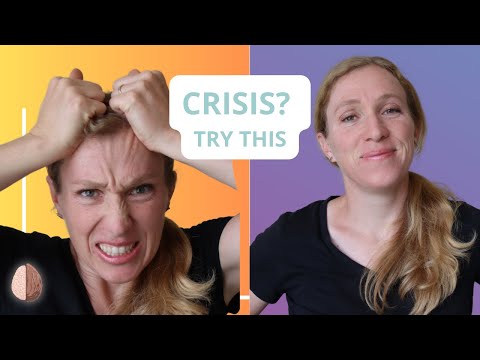
You know, life can be a bit of a roller coaster sometimes. One moment you’re soaring high, and the next you’re just trying to hang on, right? That’s where resilience comes in.
Resilience is like that superpower that helps you bounce back when things get tough. But how do you build it? Well, let me tell you about DBT skills.
DBT, or Dialectical Behavior Therapy, isn’t just for those deep therapy sessions. It’s packed with practical tools that can really make a difference in your life. Picture it as your secret playbook for handling stress, emotions, and everything else life throws at you.
So, if you’re curious about building that emotional strength or simply want to feel more grounded in the chaos, stick around. Let’s explore how DBT skills can help you become more resilient together!
Unlocking Resilience: Essential DBT Skills for Mental Strength and Well-Being
Resilience, you know, is like that sturdy tree that bends but doesn’t break during a storm. It’s important for your mental health and overall well-being. One of the best ways to build resilience is through **Dialectical Behavior Therapy (DBT)** skills. These tools help you manage emotions, improve relationships, and navigate life’s ups and downs more effectively.
1. Mindfulness: This is all about being present in the moment. You can practice mindfulness by simply focusing on your breathe or fully engaging in whatever you’re doing—like eating or walking. When you notice your thoughts drifting to worries or regrets, gently bring your attention back to the now. It’s grounding and can seriously help reduce anxiety.
2. Distress Tolerance: Life throws curveballs at us all the time. Distress tolerance skills teach you how to cope with those tough moments without making things worse. For example, using distraction techniques like listening to music or reading when feeling overwhelmed can help take the edge off until you’re ready to face whatever’s bothering you.
3. Emotion Regulation: Your feelings are valid, but sometimes they can feel like a roller coaster ride! With emotion regulation skills, you learn to understand and manage your emotions rather than letting them control you. You might jot down what you’re feeling in a journal or use a feelings chart to identify what’s going on inside.
4. Interpersonal Effectiveness: Relationships can be tricky, right? Whether it’s with friends or family, learning how to express yourself clearly and assertively makes a world of difference. DBT teaches you strategies for asking for what you need while respecting both yourself and others.
These skills aren’t just helpful; they’re essential for building **mental strength** over time. Resilience isn’t about never feeling down; it’s about bouncing back when life gets tough—and learning from those experiences.
Let me share a quick story here: Imagine Sarah, who faced constant stress at work and struggled with anxiety that made her second-guess every decision she made. Through DBT training, she learned emotion regulation and began journaling daily about her feelings instead of bottling them up inside her head. Over time, she could recognize patterns in her emotions better and found healthier coping strategies—like talking it out with coworkers rather than keeping everything bottled up.
You see? Resilience grows when we invest time into understanding ourselves better through DBT skills! So if you’re looking for practical ways to boost your mental well-being, these skills really do offer solid ground beneath our feet when life gets rocky!
Unlocking Strength: The 7 Essential Resilience Skills for Mental Well-Being
Resilience is like that muscle you gotta strengthen over time. You know, life throws curveballs at you, and sometimes it feels impossible to bounce back. But there are skills you can learn that help improve your mental stamina. Here’s a look at a few essential resilience skills connected to Dialectical Behavior Therapy (DBT).
Mindfulness is the first skill on the list. It’s all about being present in the moment. When you practice mindfulness, you’re tuning into your thoughts and feelings without judgment. You might sit quietly and notice your breath. Or maybe you observe what’s happening around you instead of getting lost in your head. This helps reduce anxiety since you’re not constantly worrying about tomorrow or regretting yesterday.
Next up is emotion regulation. This skill lets you understand what you’re feeling and why. Like, imagine having a conversation with yourself—“Okay, I’m feeling really angry right now because of that comment my friend made.” Recognizing those emotions can help you manage them better instead of just reacting impulsively.
Then there’s distress tolerance. Life can be tough, right? Distress tolerance teaches you how to cope with pain without making things worse. Picture yourself in a rough situation—like waiting for news about a job application that could change everything. Instead of panicking, you learn to accept the discomfort and find ways to soothe yourself—maybe through deep breathing or listening to music.
Interpersonal effectiveness is another critical skill! This one focuses on your ability to communicate clearly and ask for what you need while respecting others’ rights too. Have you ever been afraid to speak up because you’re worried about how others might react? Learning interpersonal effectiveness helps build those skills so you can express yourself without feeling guilty or aggressive.
You can’t forget acceptance. It’s important to acknowledge that sometimes stuff just sucks! Accepting situations as they are—not as we wish they would be—can free up a lot of mental energy for coping strategies instead of fighting against reality.
Self-compassion, oh man, this is key! Imagine treating yourself like you’d treat a good friend who’s struggling. Instead of beating yourself up over mistakes, you’d say something supportive like, “It’s okay; everyone messes up sometimes.” Self-compassion builds resilience by allowing us to feel our feelings without harsh self-judgment.
Finally, there’s goal setting. Setting realistic goals gives direction when everything seems chaotic. Maybe start small; think about something achievable this week—like going for a walk every day or trying out a new hobby. Each small win builds confidence!
So yeah, resilience isn’t some magical trait people either have or don’t have—it’s like training for an emotional marathon! Building these skills takes practice but seriously pays off when life gets tough. What you’ve got are tools that help keep your mental well-being strong as you navigate life’s ups and downs.
Mastering Distress Tolerance: Downloadable Skills PDF for Better Mental Health
Mastering distress tolerance is one of those skills that can really change the game when it comes to handling tough emotions. You know, sometimes life throws us curveballs, and dealing with them can feel overwhelming. That’s where developing distress tolerance comes in.
So, here’s the deal: distress tolerance is about learning how to cope with intense emotions without resorting to harmful behaviors. It’s like building a mental toolbox filled with strategies to help you stay grounded when things get rocky.
Distress Tolerance Skills are often part of a therapeutic approach called Dialectical Behavior Therapy (DBT). This method was created especially for folks dealing with intense emotions and self-destructive behaviors. The goal? To help you ride out emotional storms instead of getting swept away by them.
So, what are some skills in this toolkit? Here are a few:
- Mindfulness: This means being present in the moment without judgment. When you notice intense feelings bubbling up, just take a step back and observe them instead of reacting right away.
- Self-soothing: Think of ways to calm yourself down—like listening to music, taking a warm bath or doing something creative like painting.
- Distraction: Sometimes, it’s okay to take a break from painful emotions. Engage in an activity that takes your mind off things—maybe go for a walk or watch your favorite show.
- Crisis survival strategies: These are techniques for managing acute emotional pain. Techniques like «STOP» (Stop, Take a step back, Observe what’s happening, Proceed mindfully) can be super useful.
Imagine you’re having one of those days where everything seems wrong. You feel anxious and overwhelmed. Instead of turning to unhealthy coping mechanisms like binge-watching three seasons of your least favorite show (we’ve all been there), try using some DBT skills you’ve learned! Maybe practice mindfulness first, and just give yourself a moment to breathe through it all.
And here’s another thing: if you’re looking for resources like downloadable PDFs that lay out these skills nicely? Many therapists create handouts that cover distress tolerance skills in an easy-to-digest format. This way you can have something at your fingertips when the going gets tough.
Remember that mastering these skills takes time and practice—it’s not something you pick up overnight! The important part is sticking with it even when it feels hard or frustrating.
So next time life hands you stress—or let’s be honest, chaos—pull out those distress tolerance tools you’ve been building. They’re there for you!
Building resilience can feel like a journey, you know? It’s like training our minds to handle life’s curveballs better, and one really effective way to do this is through Dialectical Behavior Therapy (DBT). I remember chatting with a friend who was having this really tough time at work. She felt overwhelmed and nearly ready to quit. But she started using some DBT skills she had learned in therapy.
The thing about DBT is it’s pretty practical. It teaches you how to manage your emotions, deal with stress, and improve relationships. Skills like mindfulness—being present in the moment without judgment—can be game-changers. So, when my friend would start stressing out about her deadlines, instead of spiraling into panic mode, she’d take a few deep breaths or focus on what was right in front of her. It honestly helped her regain some control.
Then there’s distress tolerance, which is all about accepting things as they are rather than the way we wish they were. That’s tough! Imagine getting news that makes your heart sink or facing a conflict with someone you care about; it can feel impossible to just sit with those feelings sometimes. But with DBT skills, you learn not just to survive those moments but also to grow from them.
In conversation with my friend, she mentioned using “wise mind,” where you blend your emotional responses with logical thinking instead of letting either side take over completely. Picture her feeling anxious but reminding herself that freaking out wouldn’t solve anything; it would just make things worse. She started feeling more balanced and realigned her focus on problems she could actually tackle.
Resilience isn’t an overnight fix; it takes practice and dedication. As my friend built these skills into her daily life, I noticed how much more grounded she became. The struggles were still there—because life is messy—but now she had tools to face them head-on rather than feeling stuck in the chaos.
So yeah, building resilience through DBT isn’t just about learning techniques; it changes how we relate to ourselves and our experiences. That journey might feel daunting at times, but every little step forward counts!