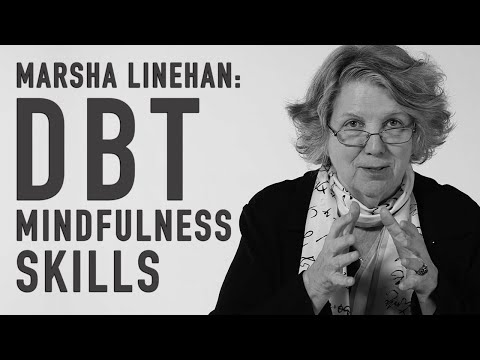
Alright, so let’s chat about something super important—DBT. You might’ve heard of it, but not everyone knows what it really means.
It stands for Dialectical Behavior Therapy. Yeah, I know it sounds fancy, but don’t worry! It’s all about helping people manage their emotions better. Seriously, who wouldn’t want that?
Picture this: You’re feeling like a rollercoaster of emotions, and life feels like one big mess. DBT offers practical skills to help you get through those tough times.
This manual is all about giving mental health pros the tools they need to guide someone through this journey. It’s not just theory; it’s real-life stuff that can make a difference.
So buckle up, because we’re diving into skills that can really change lives! You ready?
Comprehensive DBT Skills Training Manual for Mental Health Professionals – Downloadable PDF Guide
When it comes to supporting people with emotional struggles, Dialectical Behavior Therapy (DBT) stands out as a powerful option. It’s got this unique blend of cognitive-behavioral techniques and mindfulness practices. That’s why, if you’re a mental health professional or even just curious about DBT, a **Comprehensive DBT Skills Training Manual** can be super useful.
This manual is basically a roadmap for teaching DBT skills in an organized way. You find everything from core concepts to detailed exercises that are designed to help clients manage their emotions effectively. Now, if you’re looking for this resource, you’ll likely come across downloadable PDF guides online, which make accessing this valuable information super easy.
Here are some key components you’ll encounter in the manual:
- Mindfulness: This is all about being present in the moment without judgment. It’s like training your brain to focus on now instead of getting lost in worries about the past or future.
- Distress Tolerance: Here’s where folks learn how to cope with pain in tough situations. Think of it as building a toolkit to handle intense emotions without resorting to harmful behaviors.
- Emotion Regulation: This skill helps people understand and manage their emotions better. It’s about recognizing feelings and figuring out how to respond more effectively.
- Interpersonal Effectiveness: This focuses on improving communication skills and relationships. It teaches how to assert oneself while still respecting others—like saying no without feeling guilty.
So here’s the thing: when using this manual, it’s not just about reading through it; it’s also about applying what you’ve learned through practice and real-life scenarios. Maybe you’re working with someone who often feels overwhelmed by anger. You could pull from the **emotion regulation** section and guide them through identifying triggers and developing coping strategies.
Also, there are specific worksheets and exercises throughout the manual that make it easier for both practitioners and clients to engage with the material actively. One moment they might be filling out a «feelings diary,» then switching gears to practice deep breathing techniques—all part of making therapy relatable and applicable.
What’s cool is that these manuals are often based on evidence, meaning they’ve been tested out there in real-world settings! Many mental health professionals rave about their effectiveness when used properly.
In sum, if you’re diving into DBT or looking for structured ways to support your clients emotionally, getting your hands on a comprehensive skills training manual can really help bridge theory and practice. Just remember: using these skills takes time! It’s like learning any new habit; consistency is key for growth over time.
Free PDF Download: Comprehensive DBT Skills Training Manual for Mental Health Professionals
When it comes to mental health, one approach that’s gained a lot of traction over the years is Dialectical Behavior Therapy (DBT). It’s like a toolkit for managing emotions and building healthier relationships. Specifically, there’s something called the **DBT Skills Training Manual for Mental Health Professionals**. This manual is a big deal in the field of therapy.
First off, DBT was originally created to treat borderline personality disorder, but its applications have grown. The skills taught through this manual help people who struggle with intense emotions, impulsivity, and interpersonal issues, among other challenges.
The manual breaks down DBT into some key skill sets:
- Mindfulness: This is all about being present in the moment. Imagine trying to focus on your breath while your mind races with thoughts about yesterday or tomorrow. Mindfulness helps you slow down.
- Distress Tolerance: These are skills that help you cope when things get tough. Think of it as learning how to sit with discomfort without falling apart.
- Emotion Regulation: Here’s where you learn how to manage your feelings instead of letting them control you. It’s like building emotional muscle—stronger responses when life throws curveballs.
- Interpersonal Effectiveness: These skills help you communicate better and handle relationships without drama. You know those conversations that spiral out of control? This can help avoid that.
So what’s in this comprehensive manual? Well, it provides structured lessons on each of these skills along with exercises and worksheets therapists can use in sessions. It’s like having a roadmap for teaching clients how to navigate their emotional landscapes.
Here’s a glimpse into what makes DBT unique: there’s an emphasis on balancing acceptance and change. It doesn’t just say “fix everything.” Instead, it encourages clients to accept their current situation while simultaneously working toward positive change.
If you’re curious about how all this plays out in real-life scenarios… Imagine someone who’s feeling really overwhelmed after a bad breakup. A therapist could pull from this manual to teach mindfulness techniques—like focusing on their breath or surroundings—to help them stay grounded instead of getting swept up by their emotions.
In summary, the **DBT Skills Training Manual for Mental Health Professionals** isn’t just another tool on the shelf; it’s a vital resource for therapists looking to support individuals facing emotional turmoil or relationship struggles. By using these skills outlined in the manual, professionals can guide their clients toward more balanced and fulfilling lives—one skill at a time!
Downloadable DBT Skills Training Manual PDF: Enhance Your Mental Health Toolkit
So, let’s chat about this **DBT Skills Training Manual**. You’ve probably heard of **dialectical behavior therapy (DBT)**, right? It’s super popular for helping people manage emotions and improve relationships. This manual is like a roadmap for mental health pros who want to teach those skills.
You might wonder, what’s in this manual? Well, it’s packed with strategies that can seriously boost your mental health toolkit. Here are some key parts you’d find in there:
- Mindfulness: This is all about staying present and aware. Imagine sipping your coffee and actually tasting it—without thinking about your to-do list.
- Distress Tolerance: When things get tough, these skills help you ride the wave instead of getting pulled under. Think breathing exercises or distraction techniques.
- Emotion Regulation: Learning to understand and manage strong feelings. Like when you’re angry or sad, knowing how to cope without exploding.
- Interpersonal Effectiveness: These skills help you communicate better with others. It’s like having a toolbox for relationships—knowing how to ask for what you want while respecting others.
The thing is, DBT isn’t just about learning these concepts; it’s also about practice. Each section of the manual gives real-life examples and exercises to try out the skills. Imagine working through a situation where you felt overwhelmed and having tools at your fingertips to handle it better next time.
And here’s an interesting tidbit: DBT was initially created for people with borderline personality disorder (BPD), but it’s grown beyond that! Now people use DBT techniques for anxiety, depression, PTSD—seriously, so many different issues!
If you’re looking into this manual as something you might use—whether you’re a pro or someone wanting self-help resources—you’ll find it offers structured lessons that break things down nicely.
Now, you might be thinking: *How do I get my hands on it?* Well, many places offer downloadable PDFs online. Just make sure whatever version you grab is from a trusted source—you know?
In summary, whether you’re a clinician or just curious about enhancing your mental health skills, the **DBT Skills Training Manual** is a solid resource. It provides not only information but also practical tools that can make navigating emotional challenges feel a bit more doable!
So, you know how life can throw some pretty wild curveballs at us? Like, one moment you’re feeling on top of the world, and the next, it’s all just chaos? That’s where Dialectical Behavior Therapy (DBT) comes in. It’s this incredible emotional toolkit that helps people navigate their feelings and relationships. But here’s the deal: it’s not just for those facing intense emotional struggles; it’s also valuable for anyone wanting to improve how they handle life’s ups and downs.
Now, thinking about the DBT Skills Training Manual for mental health pros—man, that thing is packed with gold. Seriously. It breaks down these skills into bite-sized pieces. You’ve got mindfulness, distress tolerance, emotional regulation, and interpersonal effectiveness – each one offering a different flavor of support. Imagine being equipped to ride out those emotional waves instead of getting smashed by them.
Let me tell you a little story here. I once knew a guy named Tom. He was great at sports but struggled when it came to handling stress or conflict with his friends. One day, he stumbled across DBT and decided to give it a shot. With guidance from his therapist using the manual as a reference, he learned how to pause before reacting during arguments—kinda like hitting “snooze” on his emotions! Over time, he became way better at expressing what he needed without blowing up or shutting down entirely.
When therapists apply this manual in sessions, they allow clients like Tom to dig into their feelings without judgment while giving them real tools to work with. It’s hands-on learning! And man, seeing someone go from feeling helpless to empowered? That’s where the magic happens.
But let’s be real here: mastering these skills takes effort and consistency. You may not see overnight changes because emotional growth is often a slow dance rather than an instant explosion of fireworks. That’s why having skilled professionals guiding clients through these manuals can make all the difference.
So yeah, if you’re in mental health or just curious about DBT’s potential impact—definitely check out that manual! It could change someone’s life in ways you’d never expect. Just remember: it’s not a quick fix; it’s more like planting seeds in a garden that needs time and care to flourish.