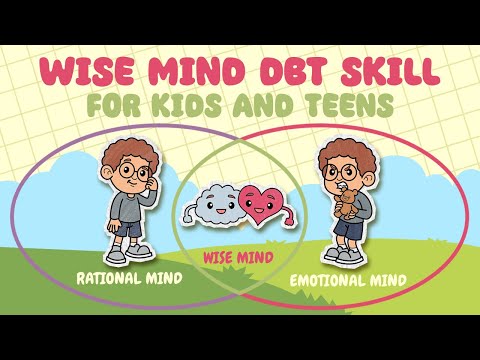
So, let’s talk about DBT, or Dialectical Behavior Therapy. You might have heard of it.
It’s like this cool tool for anyone dealing with intense emotions or tricky relationships. Seriously, it can be a game changer.
But here’s the thing: all these terms can get pretty confusing. You’ve got “mindfulness,” “emotional regulation,” and “distress tolerance.” What’s all that about, right?
Don’t sweat it! I’m here to break it down and keep it real. It’s not as complex as it sounds, promise!
If you’re looking to level up your emotional skills or just want to understand what folks are chatting about when DBT comes up, stick around. You might just find some helpful stuff here!
Comprehensive DBT Skills List PDF: Essential Tools for Mental Health Support
Dialectical Behavior Therapy, or DBT, is all about helping you manage intense emotions and improve relationships. It’s a type of cognitive-behavioral therapy that combines different strategies to really help with emotional regulation. So if you’ve been looking into a **DBT skills list**, you’re on the right track to understanding some essential tools for mental health support.
Core DBT Skills are divided into four main modules. Each area offers practical skills that you can use in everyday life. Here’s a quick rundown:
- Mindfulness: This is all about being present in the moment. You learn to notice your thoughts and feelings without judgment. For example, when you feel anxious, instead of letting it overwhelm you, mindfulness teaches you to just sit with that feeling for a moment.
- Distress Tolerance: Sometimes, things get tough, and this skill helps you cope with those times. Think about using distraction techniques or self-soothing strategies when stress hits hard.
- Emotional Regulation: Here’s where you get to know your emotions! You learn how to identify what you’re feeling and why. Like, if anger bubbles up unexpectedly, emotional regulation skills teach you how to express it appropriately or calm yourself down.
- Interpersonal Effectiveness: This is focused on your relationships with others. It helps you learn how to communicate what you need while also respecting others’ needs. A great example is setting boundaries without guilt.
Now let’s talk about why these skills are vital for your mental health journey. They provide **practical tools** for managing emotions rather than just putting them aside or trying to ignore them. When I was in a tough spot emotionally—like feeling overwhelmed and lost—mindfulness really helped me find my footing again.
A DBT Skills List PDF can be super handy too! Having these skills written down gives you something tangible to refer back to when things get hard. Imagine having a cheat sheet that reminds you of the skills you’ve learned!
Remember that practicing these techniques takes time—they’re not magic solutions but rather steps towards growth and healing over time.
So yeah, if you’re diving into DBT or looking for ways to support your mental health or someone else’s, grab that PDF and keep it close by! These tools are like having an emotional toolbox at your fingertips—ready whenever life throws a curveball your way!
Mastering DBT Coping Strategies: Essential Techniques for Emotional Resilience and Mental Wellness
Mastering DBT Coping Strategies: Essential Techniques for Emotional Resilience and Mental Wellness
So, you’ve probably heard of DBT, or Dialectical Behavior Therapy. It’s a great approach, especially if you feel like emotional ups and downs are running your life. Seriously, it’s designed to help build emotional resilience and improve mental wellness. Here’s a breakdown of some essential DBT coping strategies that can make a real difference.
Mindfulness
This is all about being present in the moment. It might sound simple, but it takes practice. Picture yourself sipping your coffee, noticing every flavor and aroma instead of zoning out while scrolling on your phone. Mindfulness helps you to recognize what you’re feeling without judgment. Like, if you’re stressed at work, acknowledge that stress without piling on guilt for feeling that way.
Distress Tolerance
This one focuses on how to handle painful emotions when they hit hard. Think of it as having a toolbox ready when things get tough. You can use distraction techniques—like watching a favorite show or listening to music—to take the edge off intense feelings. For instance, instead of spiraling into anxiety over an upcoming presentation, you could go for a walk or call a friend until the panic fades.
Emotional Regulation
Learning to manage your emotions is huge. Emotions aren’t bad; they just are! But sometimes they can feel overwhelming. Here’s where DBT shines with its skills like identifying and labeling your feelings or changing unhealthy thoughts into healthier ones. Like if you’re feeling really down about making a mistake at work, flipping that thought to «Everyone makes mistakes» can change how you feel about it.
Interpersonal Effectiveness
You know how communication can sometimes get messy? Well, this skill helps with that! It’s all about asking for what you need while maintaining respect for yourself and others. It’s like walking that fine line between being assertive and not coming off as aggressive. If someone is crossing your boundaries—say at work—you learn how to speak up calmly yet firmly.
Self-Compassion
This one’s underrated but oh-so-important! When things go wrong—and they will—learning to treat yourself with kindness is crucial. Instead of harshly criticizing yourself for not meeting expectations, try saying something gentle like “It’s okay; I did my best.” This shift can ease some burdens off your shoulders.
In **real life**, using these strategies doesn’t mean magically solving everything overnight; it’s more like building muscles over time through practice and repetition. Let’s say you’ve had a rough day filled with anxiety after an argument with a friend. Using mindfulness could help you recognize those feelings rather than getting lost in them.
And remember: nobody’s perfect at this stuff! Mistakes happen along the way—it’s part of the journey toward better emotional health.
To wrap it up: mastering these DBT coping strategies is all about **practice** and **patience**. They give you tools not just to cope but to thrive in daily life challenges too. So go ahead; start small! You’ve got this!
Comprehensive DBT Treatment Plan PDF: A Step-by-Step Guide for Effective Mental Health Management
Alright, let’s break down Dialectical Behavior Therapy (DBT) and how a comprehensive treatment plan can really make a difference in managing mental health. DBT is all about helping you find balance between acceptance and change. It’s got some key components that are super helpful for emotional growth, so let’s jump right in.
First off, a **Comprehensive DBT Treatment Plan** typically includes these core parts:
- Individual Therapy: This is where you sit down one-on-one with a therapist. You’ll explore personal issues, emotions, and behaviors.
- Skills Training Group: Here, you learn specific skills like mindfulness and distress tolerance with others who are on the same journey.
- Phone Coaching: Sometimes you might need support outside of sessions. This allows you to reach out for help when you’re feeling overwhelmed.
- Consultation Team: Therapists meet regularly to discuss cases and offer support to each other, ensuring the best care for everyone involved.
The thing about DBT is that it’s structured yet flexible. Each part of the plan serves a different purpose but ties together to create a supportive network.
Now let’s take a closer look at some essential **DBT terms** that often come up:
- Mindfulness: Being present in the moment without judgment. It’s like when you take a walk outside and actually notice how the sun feels on your skin.
- Distress Tolerance: Skills to help cope with painful emotions without making things worse. For instance, using breathing techniques during stressful times can really ground you.
- Emotional Regulation: Learning how to manage and change intense emotions. It’s that technique of recognizing when you’re angry and figuring out what to do next instead of just lashing out.
- Interpersonal Effectiveness: Practicing how to communicate your needs while building healthy relationships with others—think assertiveness training.
When putting together your DBT treatment plan, it often involves setting **specific goals**—like improving relationships or reducing emotional reactivity. Progress isn’t always linear; some days will be tougher than others. That’s totally normal!
Also, something crucial is the **commitment** from both therapists and clients during this process. You’ll probably need regular check-ins or homework assignments to reinforce what you’ve learned in therapy sessions.
And honestly? Stories from people who’ve gone through DBT can be so inspiring. Like someone I know shared how they went from feeling hopelessly stuck in their emotions to managing them better by applying mindfulness skills consistently—it was life-changing for them!
So yeah, having a well-rounded treatment plan like this can empower you or someone else on their mental health journey significantly. With each layer of skill-building, it becomes less about surviving day-to-day chaos and more about thriving in life’s ups and downs!
So, like, we all know that emotional growth can be a bit of a rollercoaster, right? I mean, one minute you’re feeling on top of the world, and the next, you’re in this emotional pit that feels never-ending. That’s where DBT, or Dialectical Behavior Therapy, comes in handy. Seriously, it’s got some pretty essential terms that might just change how you think about your feelings.
One term that always gets me is “mindfulness.” It’s such a simple idea but can feel so hard to practice. Mindfulness is all about being present. You know when you’re trying to focus on a task but your mind drifts off to what you said at lunch? Well, mindfulness teaches you to pull your thoughts back and stay with what’s happening right now. I remember once I was at this family gathering feeling overwhelmed by everyone talking at once. I took a moment just to breathe and focus on the sounds around me—the laughter, the clinking of glasses—it totally helped calm my racing thoughts.
Then there’s “distress tolerance.” Sounds intense, huh? But it really just means how well you can cope when things go south. It’s like having a toolbox full of skills for those moments when life throws curveballs—like when plans fall apart or someone disappoints you. Instead of spiraling down into negativity or panic (which is sooo easy), distress tolerance helps you ride those waves without getting pulled under.
And let’s not forget “emotion regulation.” If you’ve ever felt like you’re juggling too many feelings at once—anger here, sadness there—you know how chaotic it can get! This term refers to managing those emotions and responding in healthier ways. It reminds me of when I used to react automatically when someone upset me; now I try to take a step back first and consider my response before diving right in.
Lastly, there’s “interpersonal effectiveness.” Essentially, it’s about communicating your needs while maintaining relationships with others—no easy feat sometimes! Like, if you’ve ever tried asking a friend for help but ended up feeling all awkward about it? This concept teaches you how to express yourself clearly while also being respectful of others’ feelings.
These DBT terms are more than just buzzwords—they’re tools for emotional growth and better mental health. So whether you’re navigating personal challenges or helping someone else through tough times, they can totally make a difference. Just remember: it’s okay to feel all the feels; it’s how we learn and grow from them that really matters!