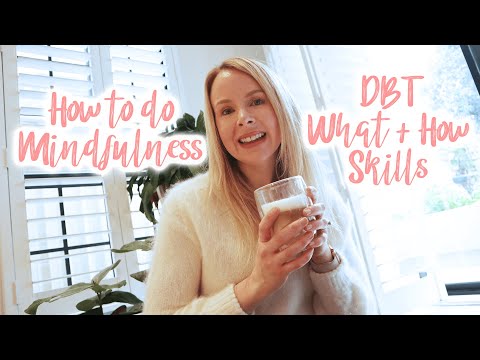
Hey! So, let’s chat about something super important: mental health. It’s like the foundation for everything we do, you know? Sometimes, it can feel a little overwhelming. Like, when life throws those curveballs and you just don’t know how to catch them.
That’s where DBT comes in. Dialectical Behavior Therapy—it sounds complex, but it’s really all about balance. Imagine having tools that help you deal with stress, emotions—basically the ups and downs of life. Sounds good, right?
DBT isn’t just for therapy sessions; it has these amazing wellness practices too. Think of them like little nuggets of wisdom to help you thrive every day. Gotta love that.
So come along as we dive into some of these practices! You might just find a few gems to add to your mental health toolkit.
Understanding Mindfulness: A Comprehensive Guide to Its Benefits and Practices
Mindfulness is one of those concepts that can sound a bit like buzzword soup, but it’s really about being present. You know, tuning into what’s happening right now—your thoughts, feelings, and the world around you. It’s like hitting pause on life and just experiencing it without the usual mental chatter.
So, what are the benefits of mindfulness? Seriously, it can do wonders for your mental health. Research shows that practicing mindfulness can reduce stress, anxiety, and depression. You might feel a greater sense of calm and clarity after just a few minutes of practice. Imagine being stuck in a whirlwind of thoughts and suddenly finding peace in the chaos; that’s the power of mindfulness.
One key aspect is just focusing on your breath.
You could be sitting at your desk or lying in bed—just take a couple of minutes to notice each inhale and exhale. It sounds simple, but giving yourself that space can be super grounding.
Another cool thing? Mindfulness encourages self-compassion.
Instead of beating yourself up over mistakes or stressors, you start recognizing those feelings without judgment. It’s like shifting from being your own worst critic to being your own best friend.
Now let’s get into some practices because knowing about it is cool, but trying it out is where the magic happens. One popular method is called “mindful meditation.”
They say it’s like watching clouds pass by—some are fluffy; others might look stormy—but they’re all temporary.
If sitting still isn’t really your jam (and come on, sometimes it isn’t), try integrating mindfulness into daily activities:
Focus on the taste of food or how your feet hit the ground with every step. That way you’re not just rushing through life; you’re savoring those little moments.
You may have heard of **DBT**, which stands for Dialectical Behavior Therapy. It’s all about combining mindfulness with practical skills for emotion regulation and distress tolerance. A lot of people find relief through DBT because it gives structure while incorporating these mindful techniques into everyday life.
In DBT practice specifically:
Daily meditation can help improve attention span and emotional resilience over time—you start noticing patterns in how you react to things too!
Lastly, if you’re wondering how often should you practice this? There’s no strict rule! Just try to weave mindfulness into your life as often as you can—even setting aside 5 or 10 minutes daily can be helpful.
To wrap this up: Mindfulness isn’t some mystical experience reserved for yoga retreats—it’s genuinely accessible to everyone! Embracing being present can lead to a happier mind and healthier emotional state so why not give it a shot?
Enhance Your Mental Well-Being: Practicing Mindfulness in Dreamlight Valley
So, let’s talk about enhancing your mental well-being through mindfulness, especially in a fun environment like Dreamlight Valley. You know how sometimes life just feels chaotic? Practicing mindfulness can really help ground you and improve your mood.
Mindfulness is all about being present in the moment. It’s like tuning out the noise of your busy thoughts and just focusing on what’s right in front of you. In Dreamlight Valley, this can look a bit different than traditional mindfulness practices.
Here are some simple ways to bring mindfulness into your time there:
- Engage with Nature: Spend time observing the scenery. Notice the colors, sounds, and textures around you. When I first tried this while fishing by the river in Dreamlight Valley, I was amazed at how calming it felt to just watch the water ripple.
- Savor Your Actions: When you’re gardening or cooking, really pay attention to each step. Feel the soil between your fingers or smell the ingredients you’re using. It’s one way to make even mundane tasks feel special.
- Deep Breathing: Yes, it sounds basic, but it works! Take a few deep breaths before engaging in an activity or when you’re feeling overwhelmed by challenges in-game. It can remind you that it’s okay to take a pause.
- Create Rituals: Tie mindfulness into your daily routines within Dreamlight Valley—maybe by starting each gaming session with gratitude for something you appreciate about your experience there.
- Meditate While Gaming: Seriously! Just sit quietly for a moment before playing or after accomplishing something significant in-game. Reflect on what you’ve enjoyed without rushing to move onto the next task.
The thing is, practicing these techniques regularly helps build habits that can spill over into our real lives too! You might find yourself feeling less anxious during tough times or more appreciative of those little moments that usually pass you by unnoticed.
Mental health benefits from these techniques are backed by practices like Dialectical Behavior Therapy (DBT), which emphasizes mindfulness as a core skill. DBT teaches us that being aware of our emotions allows us to respond rather than react impulsively, which is super helpful whether you’re facing virtual dilemmas or real-life issues.
As you navigate through challenges in Dreamlight Valley—like helping friends or completing quests—embracing mindfulness can turn these moments into opportunities for growth and self-care. It’s not just about winning; it’s also about enjoying the journey!
You know? Life doesn’t have to be all hustle and bustle; sometimes we just need to stop and smell the flowers—or watch them grow—if you catch my drift!
Exploring the Connection Between Spirituality and Mental Health: A Comprehensive PDF Guide
When you think about mental health, spirituality might not be the first thing that comes to mind. But the truth is, there’s a pretty interesting connection between the two. Some folks find that tapping into their spiritual side helps boost their mental well-being. Now, let’s break it down a bit.
Spirituality Defined
Spirituality isn’t just about religion. It’s more about seeking purpose, connection, and meaning in life. It’s personal and can look different for everyone. You might find it in nature, meditation, or through community involvement. The thing is, it’s often associated with feelings of peace and fulfillment.
Mental Health Benefits
So why does spirituality matter for your mental health? Here are some key points:
- Stress Reduction: Engaging in spiritual practices like prayer or meditation can really help calm your mind.
- Community Connection: Being part of a spiritual community may provide support and reduce feelings of loneliness.
- Purpose and Meaning: Spirituality can help you find deeper meaning in life’s challenges.
- Coping Mechanism: Many people turn to spirituality during tough times as a way to cope with stress.
Just thinking back to a friend of mine. She went through some pretty tough times after losing her job. Instead of shutting down, she started attending mindfulness classes at her local community center. It was amazing how much more grounded she felt after just a few sessions! She connected with people who shared similar experiences—and that made all the difference.
The Role of DBT
Now, let’s connect this with Dialectical Behavior Therapy (DBT). This therapy focuses on teaching skills like mindfulness and emotional regulation—two things that resonate deeply with spiritual practices.
In DBT:
- Mindfulness: It’s all about being present in the moment without judgment—kind of like being aware during meditation.
- Interpersonal Effectiveness: Building stronger connections with others mirrors the communal aspect of spirituality.
You see? Those DBT wellness practices align really well with what many people experience spiritually.
A Personal Journey
Harnessing spirituality doesn’t mean you have to become religious or join every meditation class out there. Maybe it just means spending some time outdoors or practicing gratitude daily—whatever feels right for you!
For someone else I know, journaling was their jam—they wrote letters to themselves from a place of love and understanding during rough patches! It helped them process emotions while feeling connected to something bigger than themselves.
In summary, combining spirituality and mental health isn’t just some abstract idea—it’s got real-life applications that can make a difference for many people. Whether through DBT practices or personal journeys into spirituality, nurturing these elements can lead to greater emotional resilience and well-being. So why not give it some thought? You never know what connections might change your perspective!
You know, mental health is a tricky thing. It’s like a garden—you gotta tend to it regularly. One approach that’s been gaining traction (and for good reason) is Dialectical Behavior Therapy (DBT). This isn’t just some fancy therapy lingo; it’s got real tools that can make a huge difference in your day-to-day life.
I remember when a friend of mine was feeling overwhelmed. Everything felt chaotic—work, relationships, just life in general. She found DBT and started practicing some of its wellness techniques. It was amazing to see her grow! One day she mentioned how the mindfulness exercises really helped her feel more grounded. Just being present, you know? It’s like hitting pause on that racing mind.
What’s cool about DBT is it combines acceptance with change. You learn how to accept your feelings without judgment while also figuring out how to move forward. Seriously, that balance is so important! The skills you pick up can be all about emotion regulation, distress tolerance, interpersonal effectiveness, and mindfulness—just gorgeous stuff for your mental garden!
Another great practice from DBT involves self-soothing techniques. Imagine coming home stressed after a long day and just wanting everything to feel better instantly. Instead of diving into some unhealthy habits—like binge-watching for hours or scrolling endlessly through socials—DBT gives you healthier options. Things like taking a warm bath or listening to your favorite music can be game-changers.
Also, there’s this neat idea called “Wise Mind” from DBT, which teaches you to find the intersection between your emotional mind and rational mind. You can picture it as two circles overlapping—where logic meets emotion—a sweet spot where decisions are clearer and more balanced.
So yeah, nurturing mental health through these practices isn’t just beneficial; it’s essential! I mean, who wouldn’t want tools that help them cope better with life? Like my friend discovered, little changes make huge ripples in our overall wellbeing! So if you’re looking to bolster that mental garden of yours, maybe consider giving some DBT techniques a shot—you might find them refreshing!