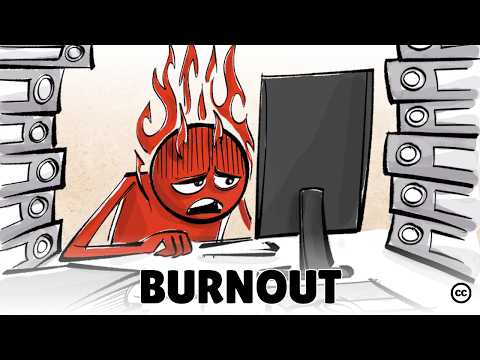
Hey there! So, let’s talk about something that’s totally relatable: workplace burnout. You know, that feeling when your job has sucked the life out of you? Yeah, that one.
It creeps up on you. One day you’re all fired up to tackle your tasks, and before you know it, you’re dragging yourself through the day like a zombie. Ugh!
But guess what? You’re not alone in this. Seriously! Tons of folks are feeling the same way. It’s like we’re all on a rollercoaster ride we didn’t sign up for.
The good news is that there are ways to fight back. Yep, there are mental health strategies that can help reclaim your spark and keep burnout at bay.
Let’s break it down together and see how you can turn things around!
Essential Burnout Prevention Strategies: Download Your Free PDF Guide
Burnout, man. We’ve all felt it at some point, right? It’s that overwhelming exhaustion that creeps in when work just feels like a never-ending treadmill. You know how it goes—tasks pile up, deadlines loom, and suddenly you’re just running on empty.
Understanding burnout is the first step to preventing it. Basically, it’s a state of physical, emotional, and mental exhaustion caused by prolonged stress. At work, this can lead to feelings of cynicism or detachment from your job. But there are ways to combat this! Let’s dig into some strategies that can really make a difference.
- Set Boundaries: Don’t let work spill over into your personal life. That means setting clear times when you’re “off the clock.” If you’re checking emails at midnight or answering calls during dinner, you might need to hit the brakes.
- Take Breaks: Seriously, take those breaks! Whether it’s a quick walk around the block or a five-minute meditation session at your desk, stepping away from your work is crucial. Think of it like hitting refresh on your brain.
- Prioritize Self-Care: You can’t pour from an empty cup! Make time for what recharges you—whether that’s reading a book, going for a run, or catching up with friends. Just something that gets you feeling good again.
- Communicate: Sometimes talking things out is all you need to lighten the load. If you’re feeling overwhelmed at work, don’t be afraid to bring it up with your boss or team. They might not even realize what you’re dealing with until you say something.
- Limit Multitasking: Juggling too many things can lead to more stress and less productivity. Focus on one task at a time—it helps reduce anxiety and boosts overall quality in what you’re doing.
- Engage in Mindfulness: This might sound like buzzword nonsense but hear me out—practicing mindfulness can seriously help ground you in the moment and lower stress levels. Just take a few minutes to breathe deeply and focus on right now.
The thing is burnout isn’t just about being tired; it affects how we function day-to-day. Taking proactive steps not only benefits our mental health but also improves productivity in the long run!
And look—it’s totally okay to ask for help if you’re feeling swamped. Sometimes just chatting with someone who gets it can lift some weight off your shoulders.
So while these strategies sound super simple—and honestly they are—you’d be surprised how many people forget about them when life gets hectic. Prioritizing your mental health isn’t selfish; it’s necessary! If we don’t take care of ourselves first, we end up running out of steam fast.
Take these tips to heart, give them a go in your daily routine—and notice how much better things start feeling over time!
Effective Strategies for Preventing Workplace Burnout and Promoting Employee Well-Being
When it comes to workplace burnout, it’s a serious issue. So many people feel overwhelmed, stressed, and just plain worn out from their jobs. But the good news? There are effective strategies to help prevent this kind of burnout and foster a healthier work environment.
First up, communication is key. Open lines of dialogue between employees and management can make a world of difference. When people feel they can voice concerns or share feelings without fear, it helps reduce stress. Imagine a workplace where you could say, «Hey, I’m feeling overwhelmed,» without worrying about being judged. That would be refreshing, right?
Another important strategy is creating a supportive culture. This means encouraging teamwork and showing appreciation for everyone’s hard work. Small gestures—like saying «thank you» or recognizing someone’s effort in a team meeting—can boost morale immensely. It makes employees feel valued and connected.
Flexible work schedules are another fantastic way to combat burnout. Allowing employees to adjust their hours or even consider remote options can help them balance work and personal life better. Think about it: if you can start work earlier to leave sooner for family commitments, isn’t that totally worth it?
Access to mental health resources is crucial too. Firms should encourage therapy or counseling sessions as part of their health benefits package—or at least provide information on local resources. If someone feels burned out or anxious, having that support readily available can truly change things up.
Also, mindfulness practices, like meditation or yoga sessions during breaks, can really help lower stress levels in the office environment. Picture your coworkers taking 10 minutes at lunch to breathe deeply and clear their heads instead of scrolling through social media—sounds peaceful!
And let’s not forget about setting realistic expectations. Sometimes supervisors might not realize how unrealistic deadlines can wear people down over time. Helping employees prioritize tasks effectively makes things more manageable.
Another cool idea? Encourage regular breaks! It might sound simple but taking short breaks throughout the day helps recharge our brains so we can come back focused and ready to tackle tasks with renewed energy.
Lastly, consider offering professional development opportunities. When employees feel invested in their own growth—whether through training or workshops—they’re less likely to feel stagnant at work. Stagnation often leads straight into burnout territory.
All these strategies together create an environment that values well-being over simply pushing for productivity. And let’s be real—that kind of environment just feels better! It nurtures individuals instead of grinding them down until they’re exhausted.
Remember this: healthy employees are happy employees who contribute positively to the workplace vibe! So take these ideas seriously; they’re not just fluff—they matter!
7 Effective Strategies to Prevent Burnout and Enhance Well-Being
Burnout, man, it’s a real struggle. You get to that point where everything feels overwhelming, right? It just sneaks up on you when you’re juggling deadlines, meetings, and a million emails. So here are some effective strategies to help you dodge that burnout bullet and keep your well-being in check.
1. Set Boundaries
Establishing clear boundaries at work can make a big difference. Tell your boss or coworkers when you’re available and when you need time for yourself. Just because work is there doesn’t mean it has to consume all your hours. For instance, if you finish at 5 PM, try not checking emails after that.
2. Take Regular Breaks
You know those long stretches of work without breaks? Yeah, they’re killers! Seriously, stepping away—even for just 5 minutes—can recharge your brain. Maybe go for a quick walk or grab some water; it’s surprising how refreshing a little movement can be.
3. Prioritize Self-Care
This one sounds generic but hear me out: self-care isn’t just bubble baths and candles (though those are nice too). It’s about what makes *you* feel good—maybe it’s reading a book or doodling during lunch breaks. Incorporate activities that fill your energy tank every day.
4. Ask for Help
Sometimes we think we have to do everything ourselves—nope! Asking for help isn’t weakness; it’s smart! If your workload is stacking up like laundry on a Sunday night, reach out to colleagues or supervisors. Sharing responsibilities can lighten the load significantly.
5. Practice Mindfulness
Have you tried mindfulness? It’s all about being present in the moment and can help reduce stress levels dramatically. Just take a minute or two each day to breathe deeply and focus on the now—maybe while sipping coffee in the morning or before bed.
6. Cultivate Connections
Don’t underestimate social support! Keeping connections with colleagues helps create a positive work environment where everyone feels valued. Whether it’s grabbing coffee together or just chatting about life during breaks, these interactions boost morale.
7. Reflect Regularly
Taking time to reflect can be super valuable. Check in with yourself weekly or monthly about how things are going at work and in your life overall. What stresses you out? What makes you happy? This process can help identify issues before they snowball into full-blown burnout.
These strategies aren’t one-size-fits-all; the thing is finding what works best for *you*. Keep experimenting until you’ve got the right combo that keeps burnout at bay—because let’s face it: nobody has time for that kind of exhaustion!
You know, workplace burnout is something that can sneak up on you. One minute you’re motivated, feeling like you can take on the world. The next, it’s like an anchor of exhaustion pulls you down. It’s that insane feeling of being totally drained, both mentally and physically, right?
I remember a time when I was working on a big project. Days turned into weeks filled with constant emails and late nights. I thought I could just power through it all. But eventually, I found myself staring at my computer screen, completely blank. It was frustrating because I loved what I did; but it felt like the joy was just… gone.
So yeah, combating that burnout is crucial. One strategy that really helped me was actually setting boundaries. Sounds simple enough, right? But saying “no” to extra work when you’re already overloaded is harder than it seems. You might worry about what your boss will think or let guilt creep in for not being a team player. But protecting your energy is so important.
Another thing that helped me was taking breaks during the day—like genuine breaks to recharge instead of mindlessly scrolling through social media or checking emails. Even stepping outside for fresh air made a difference! It’s such a simple act but one that many of us forget to do when we’re knee-deep in tasks.
And let’s not forget about mental health days! If you’re sensing that burnout creeping in, taking a day off isn’t weakness; it’s self-care! Seriously, allowing yourself to rest and reset can have this amazing ripple effect on your productivity and mood.
Talking things out with someone also plays a huge role for me—whether that’s friends or even professionals who get it. Just voicing those feelings can lift some weight off your shoulders.
I guess the thing is: recognizing burnout before it becomes overwhelming is key. Keeping an eye on our mental health at work means we can stay more engaged and maybe even find joy again in what we do—without burning out completely! So next time you start feeling those familiar signs, take a step back and remember to care for yourself first; you deserve it!