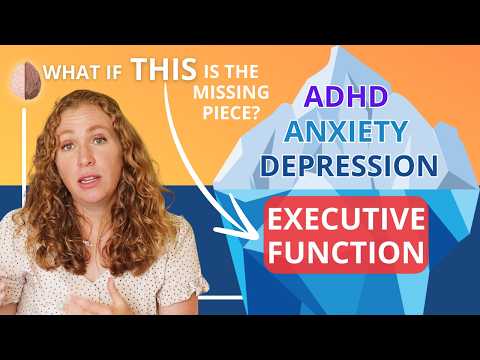
You know that feeling when your brain is just, like, all over the place? Yep, that’s what we’re talking about. Executive function is kinda like your brain’s manager. It helps you plan, focus, and make decisions.
But what happens when that manager starts slacking off? Things can get tangled up real quick. You might find it tougher to juggle tasks or remember stuff. Suddenly, simple things feel overwhelming.
This decline affects not just how we think and act but also our mental health. It’s a wild ride that can lead to stress, anxiety, or even depression.
So let’s chat about why this matters and how it sneaks into our daily lives without us even realizing it. Sounds good?
Exploring Executive Dysfunction in Individuals with ADHD: Understanding the Connection
So, let’s chat about executive dysfunction, especially in the context of ADHD. You might not know exactly what that is, but it’s basically how our brains handle planning, decision-making, and managing tasks. For folks with ADHD, this can be a real challenge.
When we say **executive dysfunction**, we’re talking about trouble with things like organizing your thoughts or keeping track of time. Imagine trying to juggle multiple balls but having one hand tied behind your back. That’s kind of what it feels like for someone dealing with this.
Here’s where ADHD comes into play. People with ADHD often experience **declines in executive function**. This isn’t just about being forgetful or disorganized; there are deeper layers involved:
- Planning Issues: You might find it hard to map out steps for a task.
- Time Management: Deadlines can sneak up on you and feel impossible to meet.
- Emotional Regulation: You may struggle to control your emotions in stressful situations.
- Task Initiation: Starting projects can feel overwhelming, leading to procrastination.
Let me give you a quick example. Picture a student who has an essay due next week. They start off strong—maybe they even outline their ideas! But as the due date approaches, they may find themselves overwhelmed and unable to even start writing it. It’s frustrating! They want to do well but can’t seem to get going.
So, why does this matter? Well, when executive function is impaired, it can lead to some pretty significant impacts on mental health:
- Anxiety: The pressure of unfinished tasks can cause serious anxiety.
- Low Self-Esteem: Repeated struggles can lead individuals to feel inadequate or unsuccessful.
- Depression: Chronic frustration with managing everyday life can create feelings of hopelessness.
It’s like a cycle—struggling with tasks leads to stress and anxiety, which makes it even harder to manage those tasks effectively.
And here’s the kicker: not everyone experiences these challenges in the same way. Some people might have minor issues while others face severe difficulties that impact their daily lives significantly. Recognizing these differences is super important for tailoring support and strategies.
It’s really about understanding that **executive dysfunction** is not just laziness or lack of motivation; it’s a genuine struggle that affects people’s abilities in various aspects of life—schoolwork, jobs, relationships—you name it.
So if you—or someone you know—are grappling with ADHD and feeling overwhelmed by executive dysfunction, remember that there are ways to cope and manage these issues effectively!
In summary? Executive dysfunction linked with ADHD is complex but very real. Knowing what you’re up against gives you power over it—and that’s something worth holding on to!
Understanding How Mental Illnesses Impact Executive Functioning: Key Insights and Connections
Understanding how mental illnesses can mess with executive functioning is super important. It’s like shining a light on a really big part of how we think, plan, and get stuff done. Executive functioning refers to a bunch of mental skills that help you manage your thoughts and behaviors. So, when these skills take a hit, it can seriously impact your daily life.
You know that feeling when everything feels just too overwhelming? That’s often what happens when executive functioning declines. Mental illnesses like depression, ADHD, or Anxiety disorders can muddy the waters of your brain’s ability to organize, prioritize, and execute tasks.
A big part of this issue is the way your brain processes information. Take someone with ADHD for example; they might struggle to stay focused on tasks or remember details you’d expect them to keep track of. Imagine trying to navigate a busy street without knowing the directions—frustrating, right? It’s that kind of confusion but happening in their heads all the time.
When you have depression, that mental fog can feel like trying to move through quicksand. You might find it hard to make decisions or even start things—like getting out of bed or responding to texts from friends. Those «simple» choices become monumental because your executive function isn’t working at its best.
Then there’s anxiety; it doesn’t just make you worry all the time—it also ties up those executive functions in knots. You could be so caught up in overthinking choices that planning even simple tasks feels paralyzing. And saying “I’ll do it later” becomes a habit that’s hard to break.
Some people may not realize how these conditions play off each other. For instance:
- Depression leads to low motivation.
- Anxiety can create indecisiveness.
- ADHD amplifies issues with attention.
- Mental clutter puts those functions under serious stress.
And when those skills are challenged, it opens up all sorts of emotional problems—like frustration and low self-esteem—which just makes everything worse.
Let’s consider someone who juggles work and home life while managing anxiety: they might have trouble remembering deadlines at work because their mind is racing about potential worst-case scenarios happening with family or friends. This constant back-and-forth disrupts their ability to function efficiently—and, well, life gets complicated fast.
Interventions like therapy focus not only on coping strategies but also on rebuilding those broken-down executive functions. Whether it’s through cognitive-behavioral therapy (CBT) techniques or organizational skills training, getting back on track isn’t impossible; it just takes patience and practice.
Basically, if you’re looking at mental health issues through the lens of executive functioning, you start seeing connections everywhere – like pieces of a puzzle coming together (or sometimes falling apart!). Understanding this relationship helps not only in self-awareness but also in finding effective ways to cope with whatever life throws at you next.
So next time you’re feeling overwhelmed by everyday tasks or making decisions, remember: it’s not just you—it’s how those pesky mental health challenges are messing with your headspace!
Understanding the Decline in Executive Function: Impacts on Mental Health and Well-Being (PDF Guide)
Executive function, in simple terms, refers to your brain’s ability to manage thoughts, actions, and emotions. It’s like the conductor of an orchestra, making sure all the musicians play in harmony. When this function starts to decline, it can really mess with how you think and feel.
So, what does a decline in executive function look like? Well, it can show up in several ways:
- Difficulty concentrating: You might notice you’re easily distracted or find it hard to focus on tasks.
- Poor decision-making: Simple choices can feel overwhelming. You second-guess yourself more than usual.
- Struggles with time management: Maybe you’ve found yourself late for appointments or forgetful about deadlines.
- Impulse control issues: Acting without thinking? Yeah, that could increase when executive functions are weak.
Imagine you’re juggling responsibilities at work and home. One day you’re on top of everything—emails getting answered promptly and dinner cooked on time. Then suddenly, it’s like someone switched off the lights; you forget appointments and miss deadlines. This gradual decline can feed feelings of anxiety and frustration.
Now, let’s talk about how this impacts mental health. For starters:
- Anxiety disorders: When your ability to plan is shot, it can lead to worry about what’s next or feeling out of control.
- Depression: The weight of everything piling up because you can’t sort through it can pull you down into a funk.
- Low self-esteem: Struggling with tasks that were once easy? That can chip away at your confidence.
Think about a time when life felt like an uphill battle. Maybe you had so much to do but couldn’t figure out where to start. It feels heavy and suffocating—like being stuck in mud.
There are several reasons why executive function might take a hit. Stress is a biggie; when your mind’s racing all the time, it can wear down those cognitive gears. Other factors include neurological conditions or even aging—which naturally comes with some cognitive slowing down.
So what does this mean for well-being? First off:
- You might isolate yourself: As tasks feel harder, socializing might fade because you don’t want to deal with organization or plans.
- Your overall health may decline: Forgetting meals or not managing stress effectively leads to physical issues too—like weight gain or insomnia.
It’s a snowball effect: as your capability declines, so does your quality of life.
You’re not alone if you’ve noticed these changes; many people experience fluctuations in their executive functioning at different life stages or due to stressors. The key is identifying these shifts early so that support can kick in before things spiral out too far.
Consider reaching out for help if things feel overwhelming—therapy could provide tools for better managing these challenges. Cognitive-behavioral strategies might help rewire some thought patterns and bolster those weakened functions.
Being aware of these feelings is already a solid first step towards improving mental health and overall well-being!
So, let’s chat a bit about executive function. You know, those mental processes that help you plan, focus, remember things, and juggle tasks? It’s like the control center of our brains. When it’s functioning well, life feels a bit smoother—you can manage your responsibilities and keep your emotions in check, which is super important for mental health.
But what happens when that control center starts to decline? I mean, it’s kind of scary. Imagine waking up one day and feeling like you can’t find your keys because your memory’s off or struggling to keep track of a conversation because focusing feels impossible. I remember chatting with a friend who’d gotten overwhelmed with work. At first, she was just forgetting small stuff—like appointments and deadlines. But then it snowballed into feeling anxious about not being able to handle everything. It was tough to watch because she’d always been so organized and on top of her game.
So yeah, when executive function declines, it can lead to all sorts of troubles like anxiety or even depression. You might feel stuck in this loop where the more overwhelmed you get, the harder it becomes to take action—like trying to run in quicksand or something! And then that stress just compounds the feelings of inadequacy.
What’s tricky is that people often don’t realize this is happening until they’re deep into it. They might think they’re simply lazy or distracted instead of recognizing there could be something deeper going on with their cognitive abilities.
Addressing these issues isn’t just about getting organized or making lists (though that helps!). Sometimes it’s about finding support from professionals who get what you’re going through or even exploring strategies like cognitive behavioral therapy (CBT). This kind of therapy can help restructure thought patterns and improve how you manage tasks and stress.
Anyway, keeping an eye on executive function isn’t just some high-level brain stuff; it’s pretty crucial for our overall well-being. When we notice those little signs—like forgetfulness or difficulty concentrating—it might be worth digging deeper into what they mean for us mentally and emotionally. Because at the end of the day, understanding this part of ourselves can really help us feel more in control—and isn’t that what we all want?