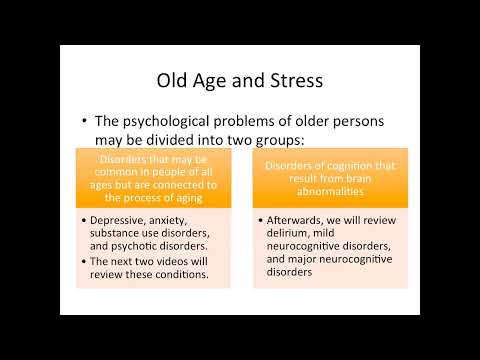
You know, cognitive decline can feel like a thief in the night. One minute, you’re acing trivia night; the next, you’re struggling to remember what you walked into a room for. It’s wild how quickly things can change.
And it doesn’t just mess with your memory. It can really shake up your emotions, too. Imagine feeling lost in your own mind. That’s tough, right?
So many people are affected by this, and it’s not just the older crowd. Younger folks can experience it too—stress, anxiety, and even life changes can play a huge role.
Let’s chat about what cognitive decline really means and dive into its psychological ups and downs. You might find some surprising connections there!
Understanding the Cognitive Consequences of Cognitive Decline: Insights and Implications
Cognitive decline can feel like a heavy weight, you know? It often sneaks up on you or a loved one, bringing along confusion and forgetfulness that can be tough to face. Basically, it’s when our thinking abilities—like memory, attention, and reasoning—start to fade.
Understanding cognitive decline means looking at how it affects daily life. You might notice someone struggling with tasks they once found easy or forgetting things that seemed second nature. For example, imagine your grandma who used to whip up her famous lasagna without a recipe but now needs reminders for basic ingredients. It can be frustrating and heartbreaking at the same time.
The implications of cognitive decline go way beyond just forgetting names or where you left your keys. Emotional consequences come into play here too. When cognitive abilities wane, it can lead to feelings of embarrassment, anxiety, and even depression. Suddenly, people may feel like they’re losing their identity or independence.
Also, family dynamics can shift dramatically during this time. People often take on caregiver roles that come with their own set of challenges—like frustration or exhaustion—and relationships may become strained. It’s kind of like walking on eggshells; everyone wants to help but doesn’t know how best to do that.
You’ve got some common signs of cognitive decline popping up here:
- Forgetfulness in recent events
- Difficulties with problem-solving
- Confusion about time or place
- Struggling with familiar tasks
- Changes in mood and personality
Getting diagnosed is key for addressing these issues early on. Once you have a clearer picture, treatment options come into play! Therapies that focus on mental exercises can help keep those brain cells moving a bit longer. Engaging in activities like puzzles or social outings also work wonders by keeping the mind active and connected.
But that’s not say medication isn’t sometimes in the mix; doctors might prescribe something if they think it’ll help ease symptoms related to conditions like Alzheimer’s or other forms of dementia.
So yeah, cognitive decline isn’t just about losing memories—it spirals into emotional distress and changes how we interact with the world around us. Recognizing these cognitive shifts is vital because early intervention can make all the difference in maintaining quality of life for both individuals facing these challenges and their families too.
As this journey unfolds—whether for yourself or someone close—you realize support is essential as well as understanding what’s happening mentally and emotionally so everyone feels heard and valued through it all.
Exploring the Spiritual Impact of Cognitive Decline: Understanding the Connection Between Mind and Soul
Cognitive decline is a tough topic, you know? It’s not just about losing memories or struggling to focus; there’s this whole spiritual side to it that often gets overlooked. When you think of cognitive decline, like in Alzheimer’s or dementia, the mind and soul connection gets pretty deep.
The first thing to grasp is how cognitive decline affects a person’s sense of self. When someone starts forgetting important things—like names, faces, or even their life stories—it can feel like they’re losing pieces of themselves. Imagine being at a family gathering and not recognizing your own grandkid. That can be heartbreaking. It’s like part of your identity just slips away.
But there’s more to it. This loss can stir up some intense feelings—grief, anxiety, and sometimes even anger. You might find yourself wondering about the meaning of life and what happens when we don’t remember what made us who we are. It’s not uncommon for someone experiencing cognitive decline to reflect on their past decisions and relationships deeply. They may seek comfort in faith or spirituality, trying to find some answers or solace.
- The search for meaning: Many individuals look towards their spiritual beliefs for guidance during these tough times.
- Connection with others: Family members may start seeing the impact on their own spirituality too. Caring for someone with cognitive decline can be a journey that strengthens family bonds or brings existential questions to the forefront.
- Legacy concerns: People often worry about how they will be remembered. The fear of fading away mentally can lead them to want to leave messages or memories behind.
Consider this: A friend of mine’s grandfather was diagnosed with Alzheimer’s disease a few years back. At first, he struggled with losing his memory; he’d get upset not recalling his favorite fishing spots or how to play chess with his buddies. But then something shifted—he found peace in chatting about his life stories from earlier days instead of focusing on what he couldn’t remember now. Family members would gather around him, and those stories became moments of laughter and love rather than sadness.
This feeling of shared experiences can make all the difference. For many families, those moments create a sort of spiritual connection that transcends the cognitive decline itself. Understanding that while the mind might falter, the essence—the spirit—can still shine through is incredibly powerful.
Also important is recognizing the role community plays. Groups focused on caregiving often help both caregivers and those suffering find support in shared struggles and victories over feelings of isolation and despair.
In summary, exploring the spiritual impact of cognitive decline isn’t just about understanding what happens to our minds—it also dives into our souls’ responses as we navigate through loss and rediscovery. Connecting with ourselves spiritually during these changes gives people strength when facing life’s challenges head-on!
Understanding the Personal Impact of Alzheimer’s Disease on Individuals and Their Families
Alzheimer’s disease is a real heartbreaker. It affects memory, thinking, and behavior, and it doesn’t just impact the person diagnosed. It changes the whole family’s dynamic. You might see your loved one fading away, maybe forgetting who you are or what you’ve done together. That can be super hard to witness.
What is Alzheimer’s? Essentially, it’s a type of dementia that causes problems with memory, thinking skills, and even daily tasks. People with Alzheimer’s may struggle to recall recent events or even names of their relatives. It’s like watching someone you love slowly slip through your fingers.
The psychological implications can be profound for both the individual and their family members. For those living with Alzheimer’s, feelings of frustration and confusion may pop up quite a bit. Imagine one day you’re fine, but the next, simple tasks become mountains to climb. That’s rough!
Now for the families—wow, it can feel like an emotional rollercoaster. Family members often deal with grief before the loss actually happens. Watching someone change so drastically can create feelings of helplessness or anxiety about what’s coming next. Some people describe this as mourning while they’re still alive!
Let’s break down a few key points:
- Emotional Toll: Caregivers often experience stress and burnout as they navigate new roles.
- Communication Barriers: Conversations become tricky when words are forgotten or lost; this can lead to frustration for everyone.
- No More Memories: Family traditions may fade away as memories diminish, which is heartbreaking.
- Coping Mechanisms: Families need support too; therapy or support groups can help share the load.
Many families find themselves in tough situations where they feel isolated from each other because they’re struggling to deal with these changes alone. One friend mentioned how her family used to gather every Sunday for dinner but now it’s awkward because her dad doesn’t remember our conversations anymore.
It’s also worth noting that support systems, both professional and informal, are crucial here. Therapy isn’t just for the person diagnosed; caregivers benefit massively from counseling services too! Having someone to talk to makes a big difference.
Ultimately, while Alzheimer’s brings overwhelming challenges into lives—like unpredictable emotional shifts—it also highlights *how vital connection is*. Finding ways to stay present with loved ones—even in difficult times—can create moments of joy amidst all the chaos.
So yeah, understanding Alzheimer’s isn’t just about knowing its symptoms or treatment options; it’s much more about recognizing how deeply it affects relationships and emotional well-being within families. A little compassion goes a long way in these scenarios!
Cognitive decline is, let’s face it, pretty scary. You know that moment when you walk into a room and forget why you went there? Yeah, we all have those moments. But what happens when those slip-ups start to pile up? That’s cognitive decline in action. It’s like your brain’s software is glitching, and it can lead to all sorts of emotional turbulence.
Imagine this: a close friend of yours—let’s call her Mary—was always sharp as a tack. We’d spend hours chatting about everything from politics to the latest Netflix binge. But over time, she started repeating stories or forgetting things she just told me. At first, I thought she was just having an off day. But then it became more frequent; she’d mix up names or even struggle with simple tasks that used to be second nature for her.
It’s heartbreaking watching someone you care about lose bits and pieces of themselves like that. There’s this deep emotional weight tied to cognitive decline—not just for the person experiencing it but for loved ones too. A lot of people might feel frustration or sadness, even anger sometimes as they grapple with the changes in someone they love.
Now, let’s talk about the psychological implications here. Cognitive decline often brings along friends like anxiety and depression. People can feel isolated when their mind doesn’t function like it used to; they might think others will see them as “less than.” It can spiral into a sense of helplessness when basic tasks become hurdles—like reading a book or cooking dinner.
And then there’s the fear factor—fear of losing independence, fear of being a burden on family or friends. That kind of worry can really mess with your head! You might find yourself withdrawing from social activities because you don’t want anyone to notice your struggles.
It’s important to remember that there are ways to cope. Engaging in mental exercises, staying socially connected, and even seeking therapy can help navigate these rough waters. And while some changes might be pretty tough, focusing on what remains—the memories shared over coffee or laughter at silly jokes—can provide comfort amidst the confusion.
So yeah, cognitive decline is no joke; its psychological impacts are real and profound! But knowing you’re not alone in facing these challenges can make a world of difference—you’re in this together with your loved ones!