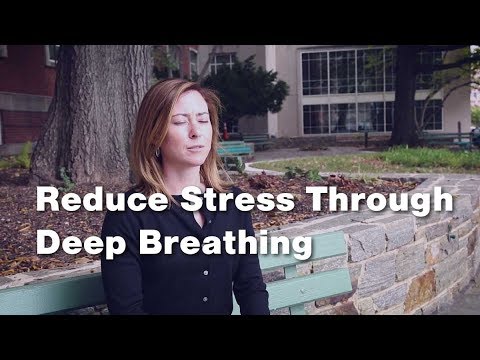
Hey! So, you know those days when it feels like the world’s just piling on? Seriously, stress can hit you like a ton of bricks. You’re not alone in feeling that way.
There’s this super simple trick that can help. Ever think about deep breathing? Yeah, I know it sounds basic, but it actually works wonders. It’s like a reset button for your brain.
Imagine standing in line or dealing with an overwhelming email. You take a breath, and suddenly things feel a little less chaotic. Cool, right?
Stick around, ‘cause I’m gonna spill the beans on how breathing deeply can seriously transform your stress game.
Mastering Deep Breathing Techniques: Your Ultimate Guide to Stress Reduction
Deep breathing techniques are like a little gift you can give yourself whenever stress starts creeping in. It’s amazing how something so simple can help you feel way more grounded and relaxed. So, let’s break down how deep breathing works and how to use it effectively.
First off, what is deep breathing? It’s all about slowing down your breath and taking deeper, fuller breaths rather than those quick, shallow ones that often happen when you’re anxious. You know that feeling—when your heart starts racing and your chest feels tight? Yeah, that’s when deep breathing comes in handy.
One of the most popular techniques is called **diaphragmatic breathing**. Basically, it just means using your diaphragm—the muscle right under your lungs—when you breathe. This helps fill your lungs with air more completely. When you do this properly, your belly should rise as you inhale and fall as you exhale.
Here’s a quick rundown of how to do it:
- Find a comfortable position: Sit or lie down somewhere nice.
- Close your eyes: This can help block out distractions.
- Inhale deeply through your nose: Take a slow breath counting to four.
- Hold for a moment: Just pause for one or two seconds.
- Exhale slowly through your mouth: Count to six as you release the air.
- Repeat: Do this for five to ten minutes if you can!
It might feel weird at first, but stick with it! One time I was super stressed about an upcoming presentation at work. I felt like I was going to burst into flames or something! So I took five minutes in my car before heading in and tried this technique. By the end of the session, my heart rate had slowed down significantly, and I didn’t feel like I was going to pass out on stage!
Another deep breathing method worth mentioning is **4-7-8 breathing**. This one’s great because it really focuses on controlling your breath:
- Breathe in through your nose for 4 seconds.
- Hold that breath for 7 seconds.
- Breathe out slowly through your mouth for 8 seconds.
This technique can be super soothing if you’re feeling anxious before bed—it might even help improve sleep quality!
You may wonder why these techniques work so well? Stress often triggers our body’s fight-or-flight response which speeds everything up—your heart rate spikes; hormones flood in, making things feel chaotic. Deep breathing sends signals back to the brain saying “Hey! It’s cool now!” Your body goes from being on high alert to chill mode.
And here’s the kicker: Incorporating breath exercises into your daily routine doesn’t have to be complicated or time-consuming! You could do it while waiting in line at the grocery store or before starting a meeting at work.
So next time life throws some stress at you—and trust me it will—remember these simple techniques: they’re affordable (free!) tools right at your fingertips.
These deep breathing methods aren’t just nice ideas; they’re practical skills that can truly boost how you handle pressure and anxiety day-to-day. Give them a shot—you might find they become a regular part of how you manage stress!
Mastering Stress: Discover the 4 A’s of Effective Stress Management
Stress can feel like this overwhelming cloud hanging over you, right? But don’t worry, there are ways to tackle it. The 4 A’s of stress management are **Avoid**, **Alter**, **Accept**, and **Adapt**. Let’s break each one down so you can really see how they work, especially when paired with something like deep breathing.
Avoid means steering clear of stressors when possible. Think about situations or people that drain your energy. If you know that attending a specific event will leave you feeling anxious or stressed, maybe skip it! For example, if social media tends to make your heart race due to constant comparisons, consider taking a break.
Alter is all about changing the way you communicate or behave in stressful situations. This is where deep breathing comes in handy! Let’s say you’re at work and your boss piles on last-minute assignments. Instead of reacting impulsively, take a moment—close your eyes for a sec and just breathe deeply. This can actually help clear your mind so you can respond thoughtfully rather than blowing up.
Now let’s talk about Accept. Sometimes things are just out of our control. It’s like getting stuck in traffic; getting mad won’t change the situation! When you accept that something has happened but can’t be changed, it frees up emotional space for more positive feelings. Deep breathing techniques here can help center you; inhale deeply for four counts, hold for four, exhale for four—gives you the ability to handle the frustration better.
Finally, there’s Adapt. This means learning how to adjust to stressors by looking at things from a different angle or finding new solutions. For instance, if you’ve been overwhelmed by long hours at work, maybe it’s time to set some boundaries—like saying no sometimes! Again, deep breathing helps when those adaptations feel tough; it calms your nervous system and gives you clarity on what changes might be necessary.
So next time stress creeps in—remember those 4 A’s: Avoid what drains you, Alter how you approach situations, Accept what can’t be changed, and Adapt for healthier responses. And don’t underestimate the power of just taking a few deep breaths during all of this; it’ll help keep everything in perspective!
Mastering the 4-7-8 Breathing Technique to Alleviate Anxiety and Stress
So, let’s talk about this really cool breathing technique called the **4-7-8 method**. If you’re feeling anxious or stressed out—like, totally overwhelmed—this could be a lifesaver. Seriously, just taking a few minutes to focus on your breath can make a world of difference.
The basic idea is super simple: You breathe in for 4 seconds, hold it for 7 seconds, and then breathe out for 8 seconds. Sounds easy enough, right? But there’s actually some science behind it that makes this work. By controlling your breath like this, you’re sending signals to your body that it’s time to chill out.
So here’s how you can do it:
1. Find Your Spot: Pick a nice, quiet place where you won’t be bothered. It could be in your room, at the park—wherever you feel comfy.
2. Get Comfortable: Sit or lie down in a position that feels good for you. Just make sure your back is straight—it helps with the breathing.
3. Close Your Eyes: This isn’t mandatory, but closing your eyes can help you focus better on your breathing instead of getting distracted by everything around you.
4. Breathe In: Take a deep breath in through your nose for **4 seconds**. Count slowly in your head: “One-one-thousand, two-one-thousand…” You get it?
5. Hold It: Keep that air in for **7 seconds**! This part might feel tough at first but just hang in there.
6. Exhale Slowly: Now here’s where the magic happens—let out all that air through your mouth for a whole **8 seconds**! Make it nice and slow; visualize all that stress leaving with each breath out.
You might want to repeat this cycle about four times or so when you’re first starting out until it feels more natural.
Now here’s an emotional tip: Think about a moment when you were super stressed—like maybe before an important meeting or after a tough day at work. Imagine using this technique right then and there! Believe me, taking those moments to breathe could have flipped the script on how you felt.
But hey, don’t get discouraged if it doesn’t work perfectly the first time! It takes practice to really master it.
And guess what? There are no special tools needed here; just you and your breath! So next time anxiety creeps up on you like an uninvited guest, remember to breathe deeply and use the 4-7-8 technique to help kick that stress to the curb!
Okay, let’s chat about breathing. Sounds simple, right? Just inhale, exhale. But honestly, have you ever noticed how much stress can mess with your breath? When life gets overwhelming, you might find yourself taking shallow little breaths, like your lungs are just… stuck. So weirdly enough, focusing on your breathing can be a real game changer.
I remember this one day when everything felt tight and chaotic. You know that moment when your thoughts are racing a million miles an hour? I had bills to pay, work deadlines looming over me, and just a general sense of impending doom. Seriously! I was all wound up like a spring. It wasn’t until a friend suggested taking some deep breaths that I actually paused long enough to try it out.
So there I was, sitting on my couch, feeling like the world was crashing down around me. But then came the deep breathing. In through the nose for four counts—hold for four—and then out through the mouth for six. Repeat that cycle a few times. At first, it felt silly and ineffective but gradually I could feel the tightness in my chest easing up just a bit. My thoughts slowed down too; one by one they sort of unraveled like a ball of yarn when you pull too hard on one end.
What happens is when you focus on deep breathing, it activates your body’s relaxation response—kind of like pressing a “pause” button on stress. It sends signals to your brain to chill out and lets go of that fight-or-flight mode we get stuck in during stressful times.
This isn’t some miracle cure or anything; it’s not gonna fix your problems overnight or make them disappear completely. But imagine having this super simple kind of tool right there in your back pocket! Anytime you feel the weight closing in on you or those racing thoughts start flaring up again, you can just… breathe.
And when you’re feeling calm? Well, it’s way easier to tackle whatever is bugging you next. You might even find yourself thinking clearer and making better decisions instead of acting out of panic or frustration.
So yeah, if you’re ever feeling stressed or overwhelmed—take a few moments to breathe deeply. It’s such an underrated tool for managing stress! You’ll probably find it helps more than you think. Just remember to give yourself the grace to take that pause.