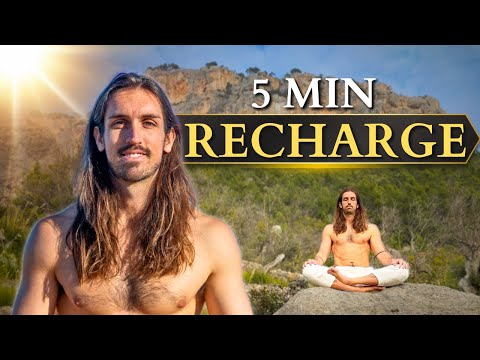
Hey! So, let’s chat about something we all kind of forget to do but really need to: breathing. Yeah, seriously. That thing you do without even thinking about it?
But have you noticed how sometimes it feels like your brain is running a marathon? Stress, anxiety, a million thoughts swirling—it’s exhausting, right? Well, that’s where deep breathing comes into play.
It’s super simple but can be a total game changer. You just take a moment, focus on your breath, and bam! You can clear out some of that mental clutter.
Imagine feeling more grounded and calm amidst all the chaos. Sounds good? Let’s get into some easy exercises that’ll help you find that peace of mind.
Unlock Mental Clarity: Effective Breathing Techniques for a Clear Mind
Breathing, right? It’s such a simple thing that we often ignore. But trust me, the way you breathe can seriously change how clear your mind feels. It’s like, when you’re stressed or anxious, your breath gets all shallow and frantic. But if you focus on breathing deeply, it’s like giving your brain a little tune-up.
So let’s break it down. Here are some effective breathing techniques that can help you find that mental clarity:
- Diaphragmatic Breathing: This one is all about using your diaphragm instead of just your chest. To do this, sit comfortably and place one hand on your chest and the other on your belly. Inhale deeply through your nose for about four seconds—feel that belly rise! Hold it for a moment, then exhale slowly through your mouth for about six seconds. Do this for a few minutes. It helps slow down your heart rate and clears out mental cobwebs.
- Box Breathing: Ever heard of this? It’s popular with folks like athletes and even soldiers to calm nerves before big moments. You inhale for four counts, hold for four counts, exhale for four counts, and hold again for four counts before starting over. Repeat this cycle up to five times! It creates a nice rhythm that can really ground you.
- Nostril Breathing: This one’s fun! You block one nostril with a finger while breathing in through the other side, then switch—so it’s breathe in from one side, out from the other. This helps balance energy levels and focuses the mind.
- 4-7-8 Breathing: Developed by Dr. Andrew Weil, this technique is super calming. Breathe in through your nose for 4 seconds, hold it for 7 seconds (I know that’s tough!), then exhale slowly through your mouth for 8 seconds. It can really help ease anxiety and promote better sleep too.
Now, I remember when I first tried diaphragmatic breathing during an intense week at work—I was feeling all kinds of overwhelmed with deadlines piling up like laundry at home! I set aside just five minutes to practice that deep breathing exercise in my office (yes, I felt a bit silly at first). But wow! By the end of it? I felt way more focused and ready to tackle whatever was next.
All these techniques don’t just help with stress; they actually change how our brain works in real-time. When you breathe deeply and consciously—your body gets more oxygen which helps improve clarity of thought.
Now keep in mind: practice makes perfect here! You won’t feel super zen after one session (though wouldn’t that be nice?). Making these exercises part of your routine can help create lasting clarity over time.
So give them a shot whenever you’re feeling foggy or anxious! They could be just what you need to hit refresh on those thoughts swirling around in there.
Exploring the Connection: Can Breathing Exercises Effectively Lower Blood Pressure?
Breathing exercises can be a pretty powerful tool when it comes to managing stress and, believe it or not, lowering blood pressure. It’s like your body hits the reset button when you take a few moments to focus on your breath. So, let’s dive into how this works.
First off, when you practice deep breathing, your body activates the parasympathetic nervous system. This is the part of your nervous system that calms you down. You know how sometimes life feels overwhelming? That rush of stress kicks in your fight-or-flight response. Deep breathing helps turn that down a notch, easing anxiety and promoting relaxation.
Another thing to consider is that deep breathing increases the amount of oxygen in your bloodstream. More oxygen means better overall function for your organs—including your heart! When your heart gets enough oxygen, it can pump more efficiently. This can help keep blood pressure in check.
You might be wondering how exactly this all ties together with blood pressure. Well, high blood pressure often comes from stress and tension in the body. When you practice deep breathing regularly, it can help lower those stress hormones like cortisol and adrenaline. Less of those bad boys floating around translates to lower blood pressure.
Here are some quick points on how deep breathing can make a difference:
- Enhances relaxation by activating the parasympathetic nervous system.
- Increases oxygen intake for better organ function.
- Lowers stress hormones associated with high blood pressure.
- Promotes mindfulness, which can shift focus away from daily stresses.
Let’s chat about some simple techniques too. One popular method is called “4-7-8 breathing.” You inhale through your nose for a count of four, hold that breath for seven seconds, and then exhale through your mouth for eight seconds. It sounds simple—and it is! But it really gets you focusing on each breath and calming things down.
Another approach is diaphragmatic breathing or belly breathing. Instead of just letting your chest rise and fall as you breathe, try to engage your diaphragm fully by pushing out your stomach as you inhale deeply through your nose. Seriously gives a different vibe!
You might have heard about meditation too—well, deep breathing often gets paired with meditation practice because they complement each other perfectly! Just focusing on what’s happening in the moment while letting go of racing thoughts really helps bring clarity.
Now let me share a little story here: A friend of mine was dealing with major work-related stress. She had noticed her blood pressure creeping up during her annual check-ups but wasn’t really sure what to do about it. After doing some research—and honestly trying everything from yoga to stretching—she settled on dedicating just five minutes daily to deep breathing exercises before bed. Fast forward a couple of months later… she returned to her doctor feeling way calmer and more centered! Not only did she report improved well-being generally but also got the good news: her blood pressure had gone down significantly!
So yeah, while deep breathing isn’t going to solve every health issue out there or replace medication prescribed by professionals if needed—it does show promise as an effective tool for lowering stress levels and potentially keeping blood pressure at bay.
In summary, if you’re looking for ways to chill out those nerves while keeping track of that blood pressure number too—that’s where these techniques come into play! It’s all about finding what works best for you and making it part of your routine—your future self will totally thank you!
Transform Your Mind: Deep Breathing Exercises for Enhanced Mental Clarity and Calm
Alright, let’s talk about deep breathing exercises. These little gems can really work wonders for your brain and mood. When you’re feeling overwhelmed, anxious, or just plain foggy-headed, deep breathing can help clear things up a bit. It’s like giving your mind a much-needed reset!
So what exactly is deep breathing? Well, it’s pretty simple. Basically, instead of the shallow breaths most of us tend to take without paying attention, you focus on taking fuller, deeper breaths. Doing this slows down your heart rate and calms your nervous system. It’s as if you’re pressing the pause button on stress.
Here are some key points about why deep breathing is beneficial:
- Increases oxygen flow: When you breathe deeply, you’re allowing more oxygen to get into your bloodstream. This boosts energy levels and mental clarity.
- Reduces stress: Deep breathing activates your body’s relaxation response. It helps lower cortisol levels—the hormone that spikes when you’re stressed out.
- Enhances focus: By clearing away the mental clutter that comes from anxiety, it helps improve concentration so you can tackle tasks more efficiently.
You know? A lot of people have their own ways to do this. For example, I had a friend who would take a “breathing break” during chaotic workdays. She’d step outside for five minutes, close her eyes, and just breathe deeply in through her nose and out through her mouth. Honestly? She swore it made a huge difference in how she handled stressful situations afterward.
If you’re looking to try this out yourself, here’s a super simple exercise: Find a comfy spot—sit or lie down; whatever feels good for you! Then follow these steps:
- Inhale slowly: Breathe in through your nose for 4 counts—feel that air filling your lungs.
- Hold the breath: Keep that breath in for 4 counts—let it gather its energy!
- Exhale gently: Now slowly breathe out through your mouth for 6 counts—like you’re blowing up a balloon.
Repeat that cycle several times and notice how much lighter your mind feels afterwards. It’s wild how such a simple act can do so much for our brains!
The key here is consistency. You might not feel an instant change after one session but give it time! Just like building muscles at the gym takes regular effort, kind of like that—your brain will thank you in the long run.
If you’re ever feeling stuck or overwhelmed by racing thoughts or anxiety spirals—and trust me we all hit those rough patches—it’s worth giving deep breathing another shot! It might just be the calming tool you’ve needed all along.
The bottom line? Deep breathing isn’t just about calming down; it’s like hitting refresh on your mental clarity too. Give it a whirl—you might be surprised at what this little practice does for you! Seriously.
You know those days when your mind feels like it’s racing a mile a minute? Like, thoughts are bouncing around, and you can’t focus on anything? I totally get it. It can be overwhelming. But I’ve found that deep breathing exercises can really help bring a bit of clarity and calm.
So here’s the deal: deep breathing is one of those simple things that we often overlook. It sounds almost too easy, right? Like, how can just breathing make any difference? Well, when you focus on your breath, it’s like pressing pause on all the chaos swirling around in your head. You inhale deeply and then exhale slowly. It’s a small act but has this amazing ability to ground you.
I remember this one time, I was having the worst day ever. Everything felt heavy—work stress, relationship worries; it was all piling up. To shake off that intense feeling of being overwhelmed, I decided to step outside for a few minutes. Standing there in the fresh air, I closed my eyes and took deep breaths. In for four counts, hold for two, then out for six counts… Repeat this a few times and suddenly everything shifted. The noise in my mind quieted down a bit.
And it’s not just about feeling calm in the moment; regular practice really can help clear your mind over time. It builds resilience—you find you’re better equipped to handle whatever life throws at you. Plus, you start noticing things more clearly instead of rushing through like some sort of zombie.
Sometimes life pushes us in different directions so fast we forget to check in with ourselves. Deep breathing offers that chance to reconnect—to slow things down even if it’s just for a moment or two amidst our busy lives. It’s kind of freeing! So next time you feel that pressure building inside, give it a shot. Breathe deeply and just be present with yourself for a little while. You might surprise yourself with how much clearer everything feels afterward!