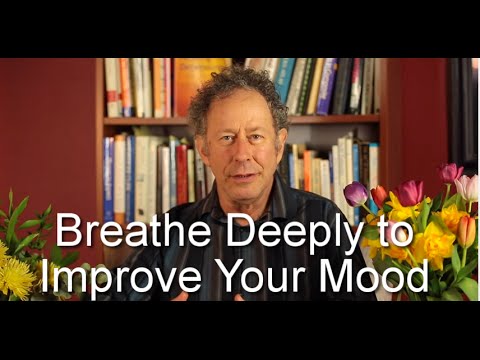
You know that feeling when everything seems heavy? Like life is just weighing you down? Yeah, I’ve been there.
Sometimes, we get so trapped in our thoughts and emotions that it feels impossible to break free. But what if I told you there’s a simple trick to help lighten that load? Seriously.
Deep breathing can be a game changer for those gloomy days. We often forget how powerful our breath really is.
Think of it as a little reset button for your mind. It’s easy, doesn’t cost a dime, and anyone can do it anywhere—no special training needed!
So, let’s chat about how harnessing this simple tool might just lift some of those heavy feelings off your shoulders. Sound good?
Exploring the Benefits of Deep Breathing for Alleviating Depression
Deep breathing might sound simple, but it can be, like, really powerful when it comes to lifting your mood and easing the heavy weight of depression. You know how sometimes just taking a deep breath can make you feel a bit lighter? Well, there’s a lot more to it than that! It actually plays with your body and mind in ways that can help calm the storm of negative feelings.
First off, let’s talk about why deep breathing works. When you take slow, deep breaths, you’re sending signals to your brain that everything’s okay. It activates the parasympathetic nervous system, which is like flipping a switch from “fight or flight” mode to “chill out” mode. This can help reduce feelings of anxiety and sadness.
Breathing techniques are super accessible too. Seriously! You don’t need any special equipment or fancy classes. Just you and your breath. To give you an idea:
- Inhale deeply: Breathe in through your nose for about four counts.
- Hold it: Keep that air in for another four counts.
- Exhale slowly: Let it all out through your mouth over six counts.
Repeat this for a few minutes whenever you feel that cloud of depression rolling in.
Now, picture this: Imagine having one of those days where everything feels heavy—like walking through mud. You’re stuck in negative thoughts and just feeling blah. But then you remember to take some deep breaths. So you find a quiet spot and start. Inhale… hold… exhale… With each cycle, it’s like you’re slowly untangling those stuck thoughts and feelings.
Another benefit? Deep breathing can improve supply of oxygen to your brain! Your brain is constantly working hard processing everything from emotions to daily tasks. More oxygen means better brain function—and who doesn’t want that? It can boost your mood just by helping you think clearer.
Aside from the immediate perks, practicing deep breathing regularly might help build resilience against depression over time too. Think of it as adding tools to your emotional toolbox—great for when life throws curveballs at ya.
Now, if you find yourself struggling with depressive episodes often—you’re not alone! Many people face similar feelings at some point in their lives. That’s why incorporating techniques like deep breathing could make a real difference alongside other treatments such as therapy or medication.
Sure, it’s not gonna be the magic fix for everyone—and that’s okay! But adding deep breathing into your routine could be one more way to give yourself a boost on tough days.
So next time you’re feeling overwhelmed or sad, remember this: just take a moment to breathe deeply and let some fresh air in—both literally and metaphorically! You might just find it’s easier to tackle whatever life throws at ya next.
Transform Your Mood: Effective Breathing Exercises to Alleviate Anxiety and Depression
We all know those days when anxiety and depression feel like they’re crashing the party, right? It’s tough, but there’s this surprisingly simple tool that can help: breathing exercises. Seriously, breathing isn’t just for staying alive. It can actually *transform* your mood.
When you’re feeling overwhelmed, your body goes into fight or flight mode. Your heart races, and your breath gets shallow. This is no fun at all and it’s like a spiral that just keeps going down. But, the good news? You can break that cycle with some deep breathing techniques.
Here are a few effective breathing exercises:
It might feel goofy at first—like you’re trying to blow up a balloon—but give it time! I remember when I first tried these exercises; I felt ridiculous lying on my back, hands on my belly while I breathed in and out slowly in my room at night after a rough day. But guess what? It really helped calm those racing thoughts.
Now let’s talk about why these work. When you focus on deep breathing, it directly alters how oxygen flows through your body and calms the nervous system down—like hitting pause on the chaos inside you. It also helps reduce cortisol levels (that pesky stress hormone) which can contribute to feelings of anxiety and depression.
You might not notice instant results every time, but trust me; with practice, these techniques become easier and more effective over time—like learning to ride a bike! Remember that feeling when you finally took off without support? That’s what consistent practice does here!
So next time those feelings hit hard, take a moment to breathe deeply, focus on each breath and know you’re doing something powerful for yourself!
Unlock the Power of Deep Breathing: How Simple Techniques Can Transform Your Mental Health
Okay, let’s talk about something that might sound super simple but can really pack a punch when it comes to your mental health: deep breathing. Seriously, it’s like the hidden gem of stress relief and mood enhancement.
First off, what is deep breathing? Well, it’s just that—taking slow, deep breaths instead of those quick, shallow ones we often do when we’re stressed or anxious. When you breathe deeply, you engage your diaphragm, which helps your body get more oxygen. This can send a signal to your brain that it’s time to chill out.
There are a bunch of techniques you might wanna try out:
- 4-7-8 Breathing: Inhale through your nose for 4 seconds, hold that breath for 7 seconds, then exhale through your mouth for 8 seconds. Sounds easy, right? This method can help calm anxiety and may even help with sleep!
- Box Breathing: Picture a square in your mind. Breathe in for 4 counts, hold for 4 counts, breathe out for 4 counts and hold again for another 4. Repeat this as needed! It’s great for grounding yourself during panic attacks.
- Pursed Lip Breathing: This one’s simple: inhale through your nose and exhale slowly through pursed lips—like you’re blowing gently on hot soup. This technique can help if you feel short of breath during stressful times.
You know what I love about these techniques? They don’t take much time at all. Just a few minutes here and there can seriously shift how you’re feeling. Maybe you remember a time when everything felt like it was crashing down—work stress piling up or that gnawing feeling of loneliness. In those moments, deep breathing might have been just what you needed to find some peace.
The brain-body connection is super fascinating too! When we practice deep breathing regularly, it can trigger the body’s relaxation response. Basically, our heart rate slows down and blood pressure lowers—your body starts to say “Hey! We’re safe now!”
This kind of technique isn’t limited to just short-term relief; research shows that consistent practice over time could actually help alleviate symptoms of depression. It can be part of a broader strategy alongside therapy or medication if that’s where you’re at.
The thing is though: don’t pressure yourself to get it perfect right away. It’s all about being gentle with yourself while exploring these techniques. Maybe try setting aside some time each day—5 minutes when you first wake up or before bed could make a big difference. You follow me?
If you’re feeling overwhelmed by emotions or life events, remember: deep breathing isn’t gonna solve everything—but it’s like adding an important tool to your mental health toolbox.
So next time life throws you a curveball—take a deep breath (or several!) You might find it transforms how you cope with whatever comes your way.
You know, it’s pretty interesting how something as simple as breathing can play a massive role in feeling better. Like, when you’re in a funk or dealing with those heavy clouds of depression, sometimes just taking a moment to breathe deeply can shift your whole vibe.
I remember this one time when I was feeling really low—really just not myself. Everything felt like it was weighing down on me. A friend told me to try deep breathing, and honestly, I was skeptical at first. I thought, “Really? Just breathing? What’s that gonna do?” But I gave it a shot anyway.
So there I was, sitting on my couch like a lump, and I started inhaling deeply through my nose, holding for just a few seconds, then exhaling slowly through my mouth. At first, the thoughts were racing in my head—like why am I doing this? Is it working? But after a couple minutes of that deep rhythm, something shifted inside me. It felt like all the tightness in my chest started loosening up.
What happens is that deep breathing kind of acts like a reset button—it’s grounding. It taps into your body’s natural relaxation response and helps quiet the mental noise we get caught up in when we’re feeling down. When you focus on how your belly expands with each breath and then sinks back down again as you exhale, it’s like your mind shifts away from all those swirling worries.
Plus, there’s something really powerful about making that conscious choice to slow things down a bit—like you’re taking control back for those brief moments instead of letting those dark feelings dictate everything.
Now don’t get me wrong; deep breathing isn’t gonna fix everything overnight or replace professional help if you need it—but it can be such an easy tool to have in your pocket when things feel overwhelming. It’s one of those small acts that can start to help lift some weight off your shoulders.
So next time you’re feeling bogged down by life or just having one of those days where getting out of bed feels impossible, maybe give some deep breathing a try! Just find a comfy spot and let yourself breathe deeply for five minutes. You might surprise yourself with how much better you feel afterward—it’s worth a shot!