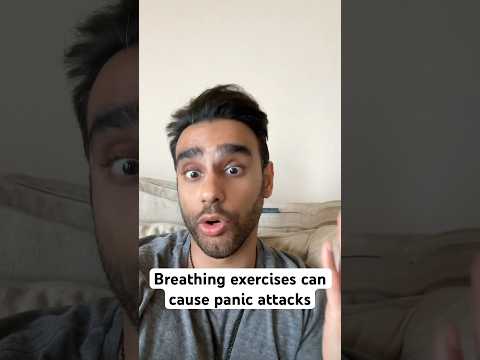
You know how people always say, “Just take a deep breath” when you’re feeling anxious? Yeah, I get that. It’s like the go-to advice.
But here’s the thing – what if deep breathing isn’t really your buddy? What if it actually makes your anxiety worse? Sounds bizarre, right?
Stick with me for a minute. We’ll unpack this together and see what’s really going on. Who knew breathing could be so complicated? But trust me, it can be.
Why Deep Breathing Might Worsen Anxiety: Insights from Reddit Discussions
When you think of calming anxious vibes, deep breathing often comes to mind. But here’s the kicker: for some people, it can actually make things worse. Seriously! You might find this surprising, so let’s break it down.
First off, deep breathing is supposed to help by activating your parasympathetic nervous system. This is the part that calms you down after stress. But sometimes, when you’re already feeling anxious, focusing on your breath can feel like a new kind of pressure. Just imagine you’re in a room full of people and someone says, “Okay, just breathe deeply.” You might start to hyper-focus on your breaths instead of relaxing. That pressure can feel overwhelming!
Then there’s the whole idea of hyperventilation. When you take in too much air too quickly or deeply, it can lead to feelings of dizziness or even panic—totally counterproductive! It’s like you’re trying to do the right thing but end up feeling worse.
Some folks on Reddit pointed out that when they tried deep breathing during anxiety episodes, they ended up feeling more anxious because they were worried about doing it correctly. But that’s not how it should be! Instead of feeling relaxed, they felt stressed about whether their breathing was «good enough.» Talk about a double whammy!
Also, let’s not forget about different body responses. Some people have a natural tendency to feel lightheaded or shaky when focusing too much on their breath. That sensation can trigger more anxiety. Like you’re stuck in this loop where one thing leads to another.
And here’s another interesting tidbit: mindfulness practices may not work for everyone either. For some individuals with anxiety disorders or trauma histories, bringing awareness to their breath can tap into old emotional wounds rather than provide relief.
What all this means is that breathing exercises aren’t a one-size-fits-all deal. There are other ways to cope with anxiety that might work better for different folks. So if deep breathing isn’t doing the trick for you and feels more like a struggle than a solution? You’re definitely not alone!
In short:
- Deep breathing isn’t always calming; sometimes it creates pressure.
- Hyperventilation from overdoing it can increase feelings of panic.
- A focus on performance while breathing may add anxiety.
- Some bodies react negatively to concentrated breath work.
- Mindfulness practices can rehash old emotional wounds instead of healing them.
So if deep breaths aren’t your thing? No worries! There are plenty of other techniques out there that might suit you better—like distractions or physical activities that don’t require focusing on your breath at all!
Why Deep Breathing May Worsen Anxiety: Exploring the Science Behind Relaxation Techniques
So, let’s talk about deep breathing—something that’s often touted as the go-to solution for calming yourself down. On the surface, it seems like a no-brainer, right? Just inhale deeply and exhale slowly. Easy peasy. But here’s the kicker: for some folks, deep breathing can actually worsen anxiety. Yup, you heard that right!
The main idea is that when you’re anxious, your body goes into this state called “fight or flight.” It’s all about survival and getting ready to run from danger—or whatever feels dangerous at that moment. In this situation, your breathing tends to speed up and become shallower. When you then force yourself to take deep breaths, it might not always feel helpful.
- Hyperventilation: The thing is, some people might start to feel lightheaded or dizzy when they breathe too deeply. This can happen because they’re actually over-oxygenating their blood. Instead of feeling calm, they end up feeling more panicked.
- Discomfort: If you’ve ever tried to take a deep breath and felt pressure in your chest instead of relief, that’s not fun! For those struggling with anxiety or panic attacks, focusing on how to breathe deeply can create more tension in their bodies.
- Cognitive Reactions: When you’re anxious and focusing on your breath too much, it could lead to racing thoughts or even feelings of being out of control. You might start thinking stuff like «Am I doing this right?» which only makes things worse.
Let me share an example—imagine someone named Sarah. She gets anxious before presentations at work. One day her friend suggests she try deep breathing before going on stage. But as she closes her eyes and focuses on her breath, she starts feeling dizzy instead of relaxed. That spirals into a full-blown panic moment; not exactly what she was hoping for!
The science behind all this lies in understanding how anxiety works. For many people dealing with anxiety disorders, paying attention to physical sensations—like breath—can actually ramp up the anxiety instead of helping it fade away.
If you’re one of those who doesn’t vibe with deep breathing as a relaxation technique, there are other options! You might want to look into things like gentle movement or mindfulness practices that don’t put so much emphasis on controlled breathing.
It’s cool if something widely recommended doesn’t work for you—it doesn’t mean you’re doing anything wrong! Everyone’s different when it comes to managing their mental health.
Why Deep Breathing Can Trigger Anxiety: Understanding the Paradox
You know, deep breathing is often touted as this magical solution for anxiety. Seriously, it’s like the go-to advice everyone gives you when you’re feeling anxious. But here’s the kicker: for some people, it can actually make things worse. Let’s unpack that.
First off, breathing techniques are meant to calm you down. When you’re anxious, your body tends to go into this fight-or-flight mode. Your breath gets quick and shallow. So the idea behind deep breathing is to slow that down, right? You take a big breath in, hold it for a sec, and then let it out—like relaxing vibes in a bottle.
But here’s where it gets interesting. For some folks, focusing too much on their breath can backfire. When you’re hyper-aware of how you’re breathing, it can create this weird feedback loop. You start thinking about every inhale and exhale, which makes you feel more anxious instead of less! It’s like staring at your own reflection until something feels off.
- Panic Response: For some people with anxiety disorders or panic attacks, trying to control their breathing can trigger the very symptoms they’re trying to avoid.
- Overthinking: A focus on breathing can lead thoughts swirling around your head—what if I can’t take a deep enough breath? What if I get dizzy?
- Body Sensations: Deep breathing might cause sensations like lightheadedness or tingling fingers. These sensations might mimic panic symptoms and amplify fear.
Let me tell you about a friend of mine named Sam. Sam decided to try deep breathing after hearing how great it was for managing stress. He would sit there and count his breaths like he was meditating on some mountain top or something. But instead of feeling relaxed, he started to feel this tight knot in his stomach—like he was hyperventilating without even realizing it! The more he focused on his breaths, the more anxious he became. Can totally relate!
This doesn’t mean deep breathing is bad; not at all! It just means that for some people—it doesn’t hit the right note due to their unique experiences with anxiety or trauma history.
A better approach could be gently shifting your focus away from just *the act* of breathing itself. Maybe connecting with surroundings might help instead? Or grounding yourself by doing something physical—like feeling your feet on the ground or squeezing a stress ball—can shift attention away from racing thoughts and still provide relief without triggering anxiety.
The paradox is real; while deep breathing has its place in relaxation techniques, it’s not one-size-fits-all. So if you try it out and notice increased anxiety? Don’t sweat it! There are plenty of other ways to find peace that might suit you better.
So, deep breathing, right? You probably heard it’s supposed to help with anxiety. I mean, people always say, «Just breathe deeply.» But here’s the thing: sometimes it can actually make you feel worse.
Let’s say you’re in a situation that makes your heart race. Maybe it’s a crowded room or an important meeting. You try to calm down by taking those big, controlled breaths. But what often happens? As you focus on trying to breathe deeply and slowly, your body can start reacting differently than you hoped. The more you think about making each breath perfect, the more anxious you might get about whether you’re doing it right! It’s like pressure on top of pressure.
I remember this one time when I was super stressed about a big exam and someone told me to do deep breathing exercises before going in. I sat there trying to inhale and exhale perfectly while my mind was racing with thoughts like “What if I forget everything?” or “What if I bomb this test?” Instead of calming down, I ended up feeling more lightheaded and panicky! Seriously, talk about counterproductive.
And there’s another twist here. For some folks, focusing intensely on breathing can actually trigger hyperventilation symptoms—like dizziness or feeling tingly fingers—which only adds fuel to the fire of anxiety. It feels super frustrating because you’re just trying to find peace but end up feeling worse.
So what do you do instead? Well, maybe try something like gentle mindfulness instead of strict deep breathing techniques. Just pay attention to how your body feels without forcing yourself into any specific rhythm. This way, you’re grounding yourself without the added expectation.
Look, everyone has their way of coping with anxiety; it just goes to show that what works for one person might not work for another—or sometimes even backfires! So next time someone tells you to take deep breaths when anxiety strikes, just remember: it’s okay if that doesn’t help your situation! There are other ways out there that might work better for you—you just gotta find them at your own pace.