You know those days when your heart feels like it’s racing, and it just won’t calm down? Yeah, we all have those moments. Stress can really mess with our bodies, right?
But what if I told you there’s something super simple you can do to chill out—and it involves your breath? Seriously! Breath control isn’t just for yoga classes or meditation gurus. It’s something you can totally incorporate into your daily life.
Imagine taking a few minutes just to focus on breathing. Like, really paying attention to how you inhale and exhale. Sounds easy enough, huh? Well, it might be the key to keeping that blood pressure in check.
Let’s chat about how this mindful practice can help you feel more relaxed and grounded. Because honestly, who doesn’t want that?
Exploring the Benefits of Breathing Treatments for Lowering Blood Pressure
Breathing treatments can be a game changer when it comes to lowering blood pressure. You probably know that stress plays a big role in how your body functions, right? Well, focusing on your breath—like practicing controlled breathing or mindfulness—can really help keep your blood pressure in check.
What’s the deal with breath control? Basically, it’s about mastering your breathing rhythm. When you take deep, slow breaths, it signals your body to relax. This can lower cortisol levels, which is that pesky stress hormone. So when you’re feeling anxious or overwhelmed, just taking a moment to breathe deeply can make a world of difference.
Now let’s talk about some benefits. Here’s what practicing breath control can do for you:
- Reduces Stress: Regular practice helps calm your nervous system.
- Lowers Heart Rate: As you relax, your heart doesn’t have to work as hard.
- Improves Circulation: Better oxygen flow means improved cardiovascular health.
- Makes You Mindful: Focusing on your breath brings awareness to the present moment.
A friend of mine once shared how she felt completely overwhelmed at work. Her heart raced and her blood pressure shot up—I mean, who hasn’t been there? But she started doing a simple breathing exercise every day. Just five minutes in the morning made her feel calmer and helped her manage her stress levels better throughout the day.
Another important thing to mention is techniques like diaphragmatic breathing or box breathing. With diaphragmatic breathing, you fill your belly instead of just your chest with air. It sounds silly but it really works! It helps engage more of your lung capacity and delivers more oxygen to your body.
Box breathing is another neat trick where you inhale for four counts, hold for four counts, exhale for four counts, and hold again for four counts before starting over. This technique not only calms you down but also improves focus and concentration—seriously cool stuff!
But remember: while these techniques are beneficial, they shouldn’t replace medical advice or prescribed treatments if you have serious health concerns. Just think of them as tools in your mental health toolbox.
In short, working on breath control isn’t just some fluffy idea; it has real benefits for lowering blood pressure and promoting overall well-being. And hey—next time you’re feeling stressed out or anxious, try stopping and taking a few deep breaths. You might be surprised at how much better you feel!
Unlocking Relaxation: The Optimal Minutes of Deep Breathing to Effectively Lower Blood Pressure
You know, taking a few minutes to just breathe can really do wonders for your health. Seriously, deep breathing might sound like something you do when trying to calm down after a long day, but it’s got some serious science backing it up too. It’s all about getting your body to chill and helping lower that pesky blood pressure. Let’s break it down.
First off, what is deep breathing? It’s simply inhaling slowly and deeply through your nose, then exhaling gently through your mouth. You’re basically giving your lungs a nice full workout while signaling to your brain that it’s time to relax.
Now here’s the cool part: just a few minutes of this practice can really make a difference in how you feel physically and mentally. Research suggests that around 5 to 10 minutes of deep breathing can help lower blood pressure effectively. It’s like hitting the reset button for your body!
- The key is consistency. Doing this daily or several times a week is much better than waiting until you’re stressed out.
- You might want to pair it with other techniques if you’re feeling particularly high-strung; things like meditation or gentle stretches work great alongside breathing exercises.
- A good time for this could be in the morning when you wake up or at night before bed. But hey, if you’re feeling stressed during the day? Go for it then too!
I remember once talking to my friend Jenna who was having trouble managing her stress levels and felt constantly overwhelmed with work and life stuff. She started taking 10 minutes every evening just to focus on her breath—nothing fancy, literally just sitting there and counting her breaths. And you know what? Over time, Jenna not only noticed she was less anxious but also experienced some drops in her blood pressure readings during doctor visits!
The thing is, when you practice deep breathing, you’re engaging your parasympathetic nervous system—the part of your nervous system that helps calm everything down after stress kicks in. So every inhale can help reduce that fight-or-flight response we all hate.
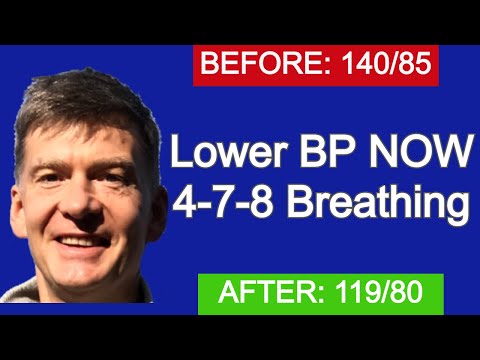
If you want to get started right now, here’s one simple technique: Try the 4-7-8 method! Inhale through your nose for 4 seconds, hold for 7 seconds, then exhale through your mouth for 8 seconds. It sounds super easy but gives an awesome boost of relaxation!
So yeah, while deep breathing isn’t some miracle cure-all—it’s not going to transform everything overnight—it can definitely help manage stress and lower blood pressure over time if you stick with it! Just think about giving yourself those few mindful moments daily; who knows what kind of changes you’ll see?
7 Effective Breathing Exercises to Naturally Lower Blood Pressure
Breathing exercises can be a surprisingly powerful way to help lower blood pressure naturally. Sounds simple, right? Well, it’s all about tapping into that stress response of yours. So, let’s talk about seven effective techniques you can try.
1. Diaphragmatic Breathing
This one focuses on engaging your diaphragm. Rather than breathing shallowly from your chest, fill your belly with air. You can do this by placing one hand on your chest and the other on your belly. Breathe in deeply through your nose for about four counts; you should feel your belly rise more than your chest. Then exhale slowly through pursed lips for six counts. Give it a few minutes.
2. Box Breathing
Think of it like a mental reboot. You breathe in for four counts, hold for four counts, exhale for four counts, and hold again for four counts. It’s called «box» breathing because it creates a nice little rhythm—like drawing a box in the air with each breath cycle! This helps calm the mind and lowers stress levels.
3. 4-7-8 Breathing
Created by Dr. Andrew Weil, this technique is all about the numbers! Inhale quietly through your nose for four seconds, hold the breath for seven seconds (this part is key), and then exhale completely through your mouth for eight seconds with a whoosh sound. It’s great to help you chill out before bed or during stressful moments.
4. Alternate Nostril Breathing
This one’s kind of unusual but very effective! Use your thumb to close one nostril while you inhale through the other nostril for four counts. Then switch sides—close that nostril and exhale from the opposite one! Repeat it several times; it’s believed to balance both sides of the brain while calming anxiety.
5. Progressive Muscle Relaxation with Breathing
This combines breath control with muscle tension release—a double whammy! Start by taking deep breaths while focusing on tensing and then relaxing different muscle groups in your body, starting from toes to head (or vice versa). As you breathe out, let go of tension really consciously; visualize it leaving with every exhalation.
6. Mindful Breathing
Just simply pay attention to how you’re breathing without changing it at first—that’s mindfulness at work! Notice if you’re tense or anxious during these moments and just observe those feelings without judgment as you breathe normally. Eventually, ease into deeper breaths when you feel more relaxed.
7. Guided Visualization with Breath
Pairing deep breathing with visualization can be super calming too! As you inhale deeply, picture a peaceful scene—maybe a quiet beach or serene forest—and hold onto that image while you breathe out slowly or even as you inhale again next time around!
It might sound cheesy but trust me—a little calm time goes a long way when it comes to lowering blood pressure naturally! Find what works best for you and practice them regularly—you’ll probably notice some positive changes over time!
Breath control, huh? It’s kind of wild how something so simple can have such a big impact on our bodies and minds. I remember one time, I was feeling super anxious before a big presentation. My heart was racing, and I thought I might just faint right there in front of everyone. Then, a friend told me to take a few deep breaths. At first, it felt silly, but then something clicked. As I focused on breathing in slowly and letting it out just as gently, the tension eased a bit. It’s like my body got the memo that everything was gonna be okay.
So, here’s the thing: taking those deep breaths isn’t just some fluffy concept for yoga enthusiasts; it can actually lower blood pressure too. When you breathe mindfully—like really paying attention to each inhale and exhale—you activate your body’s relaxation response. Not sure if that sounds too technical, but it’s basically your body saying “chill out” when things get stressful.
You know how when you’re stressed or anxious, your heart starts to speed up like it’s trying to run away from something? Well, practicing breath control helps counteract that. You’re sending signals to your brain saying everything’s cool and safe. It really works wonders over time.
And this isn’t just for people who feel overwhelmed or anxious all the time; even if you’re feeling pretty good but want to keep it that way? Breath control can help maintain balance too. Just think about how often we breathe without even noticing it. Taking that awareness into those breaths makes all the difference.
Honestly, giving yourself a few moments each day to tune in can be key. Like setting aside five minutes in the morning or evening—just you and your breath—that’s powerful stuff! So go ahead and give it a shot next time you’re feeling wound-up or even when you’re totally chill—it could be just what you need to keep things steady!