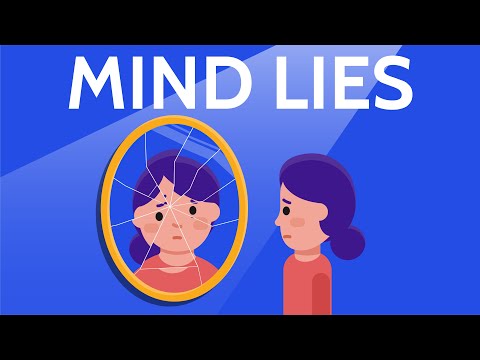
Okay, so let’s chat about something that trips a lot of us up. You’ve probably heard the term cognitive distortion, right? It sounds all fancy and stuff, but it’s really just a way our minds can mess with us.
Like, have you ever caught yourself thinking something totally negative about a situation, like it’s the end of the world? Yeah, that’s what I’m talking about. It’s your brain playing tricks on you.
We all do it sometimes. And honestly? It can make life feel a lot heavier than it needs to be. So what even are these distortions?
Let’s break it down together!
Understanding Cognitive Distortions: Free PDF Guide to Transform Your Mindset
Cognitive distortions are like little tricks your mind plays on you. They can mess with how you see yourself, others, and the world. Basically, they’re irrational thoughts that can lead to negative emotions and behaviors. You might not even realize you’re doing it! But here’s the thing: understanding these distortions can help turn your mindset around.
So, what are these cognitive distortions? Let’s break it down a bit. They come in various flavors, and recognizing them is key to managing your mental health.
- All-or-Nothing Thinking: This is when you view situations in black-and-white terms. For example, if you don’t get an A on a test, you think you’ve failed completely.
- Overgeneralization: This happens when one bad event leads you to believe that everything will go wrong. Like if you mess up at work once and start thinking you’ll always screw up.
- Mental Filtering: Imagine focusing only on the negative while ignoring the positive aspects of a situation. You might get ten compliments but fixate on that one piece of criticism.
- Diminishing the Positive: Here’s where good stuff doesn’t count. You might say things like, «I just got lucky» instead of acknowledging your hard work.
- Jumping to Conclusions: This means making guesses without any real evidence. Like assuming someone is upset with you because they didn’t text back right away.
- Emotional Reasoning: Believe it or not, emotions can take over logic. If you feel worthless, then you assume that’s an accurate reflection of reality.
You might be thinking about times when you’ve caught yourself in these traps—and it totally happens to everyone! One time I was convinced my friend was mad at me just because they didn’t answer my call right away—it drove me nuts! Once I realized I was jumping to conclusions, it helped me chill out.
Understanding cognitive distortions isn’t just about knowing what they are; it’s also about finding ways to challenge them. When a thought pops up—like “I’ll never be good enough”—pause for a moment. Ask yourself if there’s real evidence for that thought? Or maybe flip it around: “What proof do I have that I *am* enough?”
Practicing this kind of mental flexibility can really change how you feel over time. So if you’re curious about digging deeper into this stuff—lots of folks create guides or PDFs that lay out practical steps for transforming your mindset further.
Just remember: being aware of cognitive distortions is half the battle! It’s like shining a light on those sneaky shadows in your mind so they don’t control your day-to-day life anymore. Take things one step at a time—you got this!
Understanding Cognitive Distortions: 10 Common Examples and How They Affect Your Mental Health
Cognitive distortions are basically fancy terms for the ways we can mess up our thinking. You know how sometimes you might feel like you totally bombed a test, even when you actually did okay? That’s an example of cognitive distortion. They’re those little lies our minds tell us that can make life seem way tougher than it really is.
The thing is, these distortions can seriously affect your mental health. They twist your perception of reality and can lead to feelings of anxiety, depression, or frustration. So, let’s break down some common ones.
1. All-or-Nothing Thinking
This is when you see things in black-and-white terms. Like, if you don’t get an A on a project, you think you’ve failed completely. It’s like throwing the baby out with the bathwater.
2. Overgeneralization
If one thing goes wrong, this distortion makes you believe everything will go wrong in similar situations. Like if you get rejected from one job and then think you’ll never get hired anywhere again.
3. Mental Filter
This is like putting on sunglasses that only let in negative stuff while blocking out the positives. Maybe someone gives you a compliment, but all you remember is that one critical comment from earlier.
4. Disqualifying the Positive
You accomplish something great but brush it off as luck or coincidence instead of recognizing your hard work. It’s ignoring what went well because it doesn’t fit into your negative view.
5. Jumping to Conclusions
This involves assuming something negative without any evidence—like thinking your friend didn’t text back because they’re mad at you when they might just be busy or their phone died.
6. Catastrophizing
Here’s where things get dramatic! You take an issue and blow it way out of proportion, believing it’ll lead to disastrous consequences—even if there’s zero evidence to support that idea.
7. Emotional Reasoning
Your feelings become facts! If you’re feeling anxious about a situation, then it must be dangerous or impossible—totally ignoring actual evidence that says otherwise.
8. «Should» Statements
When you tell yourself how things should be rather than accepting them as they are, it creates unnecessary pressure and guilt—like feeling bad for not exercising today when maybe your body just needed rest.
9. Labeling and Mislabeling
Instead of saying, “I made a mistake,” you label yourself as a failure. This kind of self-talk can be super damaging over time and affect how you view yourself overall.
10. Personalization
You take responsibility for things totally beyond your control—like thinking you’re the reason your friend is upset when maybe they’re dealing with something completely unrelated.
These distortions warp your reality and influence how you react to situations and others around you—you follow me? Recognizing them takes practice but doing so can help reshape how we tackle our thoughts every day!
Understanding Cognitive Distortion: Definition and Impact on Mental Health
Cognitive distortion might sound like a fancy term, but it’s really just about how we mess with our own thoughts. Basically, it’s when your mind takes a situation and spins it in a negative way. You might not even realize you’re doing it!
What are Cognitive Distortions?
So, here’s the thing: cognitive distortions are patterns of thinking that lead us to see things inaccurately or gloomily. They often happen without you even noticing. Like, if you fail at something and suddenly think you’re worthless—yikes! That’s a distortion right there.
Here are some common types of cognitive distortions:
- All-or-Nothing Thinking: You see everything in black-and-white. If things aren’t perfect, they’re terrible.
- Overgeneralization: You take one instance and make it a sweeping statement. «I didn’t get that job; I’ll never work again!»
- Catastrophizing: You imagine the worst possible scenario, blowing everything out of proportion.
- Diminishing Positives: When something good happens, you totally ignore it or brush it off.
These distortions can really mess with your mental health. Think about that friend who always thinks they’re bad at everything because they made one mistake. It can lead to feelings of hopelessness and anxiety.
The Impact on Mental Health
Imagine dealing with these thoughts constantly. It can feel pretty draining! Cognitive distortions can contribute to issues like depression, anxiety disorders, or even stress-related conditions. When your brain keeps telling you you’re not good enough or that bad things will happen all the time, it’s like living in a fog.
And here’s an example: Let’s say you get criticism at work about a project. Instead of seeing it as constructive feedback, you might spiral into thinking “I’m terrible at my job.” That thought can create stress and anxiety every time you go into the office.
Breaking the Cycle
It’s possible to challenge these thoughts and change how you see situations. A therapist might help you identify these distortions in your thinking. They may guide you through techniques like cognitive behavioral therapy (CBT), which helps reframe those negative thoughts into something more realistic.
Taking small steps—like keeping a journal where you note those distorted thoughts and then rewrite them positively—can also help shift your perspective over time.
So remember, everyone has unhelpful thoughts sometimes! The key is recognizing them so they don’t take control of your life. If you’re feeling stuck in this cycle, reaching out for support is always a solid move!
Cognitive distortion, huh? It’s one of those terms that sounds a bit technical but honestly, it’s super relatable once you get into it. Basically, cognitive distortions are these sneaky little ways our brains twist reality. They can, like, mess with how we see ourselves and the world around us. You know when you’re feeling down and suddenly everything feels so much worse than it really is? Yep, that’s distortion in action.
I remember a time when I was stressing out about a presentation at work. My brain started going wild, convincing me that if I stumbled over one word, everyone would think I was a total failure. That fear just spiraled. I couldn’t shake the thought; it felt so real! But looking back now—yeah, I realize it was just my brain playing tricks on me. The thing is, we all have these moments where our thoughts drift into distortion territory; it’s like an emotional rollercoaster that you didn’t even buy a ticket for.
So many common cognitive distortions exist—like black-and-white thinking or catastrophizing—which can lead to serious mental health challenges if left unchecked. These thoughts create this weird echo chamber in your head where negativity just bounces around endlessly. And guess what? The more you engage with those distorted thoughts, the stronger they become.
But here’s the bright side: recognizing these patterns can be liberating! Once you see them for what they are—little lies your brain tells you—it becomes easier to challenge them. Therapy often helps with this by giving you tools to reframe those distorted thoughts into something more balanced and real. Instead of saying “I’ll never get this right,” you can try pushing back with “I’m learning, and mistakes are part of it.”
It’s kind of like doing a mental spring cleaning. You just have to be willing to sift through some junk and toss out what doesn’t belong anymore. So next time your mind tries to convince you of something negative or exaggerated about yourself or your situation, take a moment to question it! It could be life-changing—not just for your mood today but for your overall mental well-being down the line too!