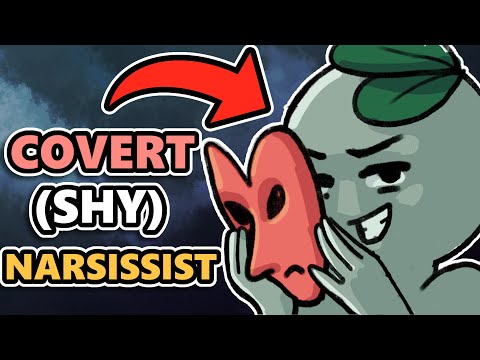
You know, when we think of narcissism, we often picture someone loud and brash. That classic “look at me!” vibe. But covert narcissism? It’s a whole different ball game.
Imagine someone who seems humble on the outside but has this inner need for admiration and validation that’s kinda sneaky. They don’t wear their ego on their sleeve like some folks do. Instead, they might play the victim or act all self-deprecating.
It can be confusing, right? You’re trying to figure out if they’re just shy or if there’s more going on beneath the surface. Trust me, it can really mess with your head after a while.
So, let’s unpack this together! We’ll dive into those subtle signs of covert narcissism and how it affects not only them but also you and others around them. Sound good?
Understanding Covert Narcissism: Unraveling the Psychology Behind Hidden Self-Importance
Covert narcissism, huh? It’s like that hidden form of narcissism that slips under your radar. You might be thinking, «How can someone be a narcissist if they’re not all flashy and self-important?» Well, it’s all about how they express their self-importance.
People with covert narcissism don’t strut around demanding attention. Instead, they might come across as shy or sensitive. But, like, don’t be fooled! They still crave validation and see themselves as superior to others. Here are some key points to help you understand this sneaky personality trait:
- Victim Mentality: Covert narcissists often play the victim card. They see themselves as misunderstood or mistreated, which can make you feel guilty for not giving them the attention they seek.
- Lack of Empathy: Even though they might appear sensitive, they generally struggle to genuinely empathize with others’ feelings. Their focus is mainly on themselves.
- Passive-Aggressiveness: Rather than being openly confrontational, covert narcissists use subtle digs or sarcasm to express their frustration or anger.
- Need for Admiration: They secretly crave admiration but might disguise it with self-pity or humility. You could hear them say things like, “I don’t need anyone’s approval,” while fishing for compliments.
So imagine you have a friend who always seems down in the dumps. They tell you about all the hard things happening in their life—a tough job situation, issues in their relationships—then suddenly switch gears by saying, «Talking about my problems must bore you.» It’s like they’re looking for your reassurance while pretending they don’t care.
Covert narcissists can be really hard to spot because they don’t fit the stereotype of a loud and boastful individual. But trust me; the emotional toll on those around them can be significant.
Being with a covert narcissist means dealing with constant unpredictability in emotional responses and feeling responsible for their happiness. You might end up walking on eggshells just to avoid triggering one of their mood swings.
In relationships—friends or partners—this can create an ongoing cycle where you’re expected to validate their feelings but never receive genuine support in return. It’s exhausting!
Understanding covert narcissism helps you maintain boundaries and recognize when someone may be using emotional manipulation without even realizing it themselves.
If someone in your life fits this description and you feel overwhelmed, remember that it’s okay to take a step back and put yourself first! Your mental health is super important too—you know?
Understanding Covert Narcissism: Key DSM Criteria Explained
Covert narcissism can be a tricky topic, right? It’s not as loud and flashy as the classic image of narcissism, but it packs its own punch. If you’re trying to wrap your head around it, let’s break down what you need to know, especially focusing on the key DSM criteria.
What is Covert Narcissism?
Unlike overt narcissism that’s all about grandiosity and attention-seeking, covert narcissists tend to be more reserved. They often feel superior but aren’t comfortable flaunting it. Instead of boasting, they might sulk or play the victim. This can make them harder to spot because their behaviors are more subtle.
Key DSM Criteria
The Diagnostic and Statistical Manual of Mental Disorders (DSM) outlines a few criteria for Narcissistic Personality Disorder (NPD), and covert narcissists can still tick many of those boxes—just in a less obvious way. Here’s how:
- Grandiose Sense of Self: Covert narcissists may not always express this outright. Instead, they often harbor feelings of being misunderstood or unappreciated despite their secretly inflated self-image.
- Lack of Empathy: They struggle to recognize or care about others’ feelings. You might see them dismiss your problems while talking about their own struggles—totally ignoring what you just said.
- Need for Admiration: While they don’t demand attention like overt narcissists do, they crave validation in more subtle ways. Compliments from friends can make their day—or send them into a spiral if they don’t get enough praise.
- Sensitivity to Criticism: Covert narcissists are often defensive or hurt by any critique you throw their way—even if it’s constructive. They might respond with passive-aggressive comments rather than just taking it on the chin.
- Envy: They may struggle with envy toward those who seem more successful or happy than them, even if they don’t express it openly.
- Interpersonal Relationships: Their relationships can feel one-sided. They often expect you to cater to their emotional needs while neglecting yours altogether.
So yeah, these individuals might appear shy or introverted, but beneath that surface lies a significant amount of self-absorption.
The Psychological Impact
Engaging with someone who has covert narcissistic traits isn’t easy. You might find yourself feeling drained or even guilty for expressing your own needs. Their cunning ability to flip situations around can leave you questioning your reality—a common experience known as gaslighting.
Sometimes, people in these relationships feel isolated since covert narcissists can manipulate social situations subtly, creating an atmosphere where you’re left doubting others’ intentions too.
In short? It’s complicated! Covert narcissism might not scream for attention like its overt counterpart but nonetheless creates significant emotional dynamics that affect everyone involved.
Understanding these nuances helps build awareness and supports healthy boundaries—so you’re better equipped when faced with such personalities in your life.
Identifying Hidden Traits: What Common Behaviors Can Be Confused with Covert Narcissism?
Covert narcissism is, like, a sneaky version of narcissism. It’s not always obvious, which is why some behaviors can get mixed up with other traits. You might think someone is just shy or insecure when they’re actually displaying covert narcissistic tendencies. So, let’s break down this tricky topic.
Understanding Covert Narcissism
Covert narcissists don’t strut around bragging about their accomplishments like the classic narcissist. Instead, they might seem humble but feel superior deep down. Their behaviors can often be confused with other emotional traits or struggles.
Common Behaviors
Here are some common behaviors that can easily get mistaken for covert narcissism:
- Victim mentality: They often feel like the world’s out to get them. This can come off as genuine victimization but might also be a way to seek sympathy and attention.
- Constant need for validation: Rather than being openly boastful, they may express insecurity and look for compliments or reassurances from others regularly.
- Apathy towards others: They can seem indifferent to others’ feelings unless it directly relates to them. This might read as introversion or emotional distance.
- Subtle manipulation: Using guilt trips or passive-aggressive behavior to control situations seems low-key but serves their self-interest and need for admiration.
- Lack of genuine empathy: It’s not that they don’t care; it’s more complex. They may struggle to see things from other perspectives while still wanting attention.
You see, it can be really hard sometimes to tell the difference between covert narcissism and regular insecurities or social awkwardness. Let’s say you have a friend who always talks about how hard their day was but never asks about yours—this could come off as self-absorbed behavior, right? But maybe they just don’t realize how their actions impact you.
The Emotional Toll
Being around someone with these traits can be exhausting! You start feeling guilty for your own feelings because it seems like they’re always struggling more than you are. You think you’re helping by listening but end up feeling drained; it’s tough!
It’s important to note that not everyone who exhibits these traits is a covert narcissist. Some individuals may genuinely struggle with depression or anxiety, masking their pain in ways that mimic narcissistic behavior without the underlying motive of self-enhancement.
Navigating Relationships
So if you find yourself questioning whether someone is just insecure or has those covert narcissistic tendencies, keep your eyes peeled! Pay attention to patterns over time rather than isolated incidents; context matters a lot here.
Understanding this subtlety helps not only in maintaining your sanity but also in figuring out how best to interact with them without losing yourself in the process. Just remember: setting boundaries is totally okay!
So yeah, while identifying covert narcissism requires some detective work on our part (seriously!), knowing these common behaviors makes it easier. Stay aware and trust your instincts!
Covert narcissism is a bit of a sneaky beast, isn’t it? Like, on the surface, everything looks fine. You might be dealing with someone who appears shy or humble. But deep down, there’s this undercurrent of self-absorption that can really mess with your head.
You know that feeling when you’re talking to someone and they somehow shift the conversation back to themselves? It doesn’t always scream “narcissist”, but it’s like little whispers that something’s off. Maybe they share a story about their day, then suddenly make it all about how tired they are or how much pressure they’re under. You can’t help but think: Wait, what about my stuff?
One time I was at this gathering where a friend was opening up about some personal struggles. It was heartfelt and raw. But then this other person chimed in—making it about their challenges instead. It felt hurtful, like the genuine moment got overshadowed by this need to compete for attention or sympathy. Afterward, I was left feeling a bit empty, which is wild because I went in wanting to support.
The thing with covert narcissists is they often use guilt trips or emotional manipulation without being overtly aggressive. So it can be hard to pinpoint their behavior as narcissistic right off the bat. They may even play the victim card pretty smoothly, turning your empathy against you. It’s like you’re caught in this emotional tug-of-war.
And let me tell you—the psychological impact of dealing with someone like this can be real and draining! Over time, you might feel anxious or start second-guessing yourself constantly. You think: Am I too sensitive? Is it me? When reality is that these subtle signs lead to this constant cycle of self-doubt.
Social interactions should feel uplifting and supportive—not like an emotional rollercoaster where you’re trying not to lose your grip. If you’re navigating a relationship tinged with covert narcissism, it’s crucial to set boundaries and protect your own mental space while recognizing those signs for what they are.
So yeah, it’s important not just to focus on how these folks make us feel but also to acknowledge our own feelings and seek support if needed—because everyone deserves healthy connections where mutual respect is actually a thing!