So, depersonalization, huh? It’s one of those things that sounds super complicated, but really, it’s about feeling kinda disconnected from yourself. Like you’re somehow watching your life happen instead of actually living it.
Imagine standing at a party, surrounded by people but feeling like you’re just a ghost or even like you’re in a movie. It’s weird and honestly kind of unsettling.
You might be thinking: “Hey, I’ve felt that way!” You’re not alone, my friend. Lots of folks experience this. And it can show up for different reasons—stress, anxiety, trauma—whatever the trigger is, it feels intense.
In the world of psychology, depersonalization gets tossed around a lot but often misunderstood. So let’s break it down together and see what’s really going on here!
Understanding Depersonalization: A Comprehensive Guide to Its Psychological Definition and Implications
Depersonalization is one of those terms that can sound a bit fancy, but it’s really just about feeling detached from yourself. Picture this: you’re going through your day, maybe at work or out with friends, and suddenly you feel like you’re watching yourself from a distance. You know what you’re doing, but it’s like you’re not really there. That’s depersonalization in action.
So, let’s break it down a bit. In psychological contexts, depersonalization is often tied to anxiety and stress. It’s not uncommon for folks who are going through tough times or traumatic experiences to feel this way. It’s kind of the mind’s defense mechanism—like a way to protect itself from overwhelming emotions or realities.
- Feeling Disconnected: You might feel like your body doesn’t belong to you or that everything around you is unreal.
- Common Triggers: Stressful events, mental health issues like anxiety or depression, or even substance use can lead to these feelings.
- Not Just Daydreaming: While everyone has moments of zoning out, depersonalization is more intense and persistent.
Here’s something relatable: imagine after a particularly stressful week at work where deadlines have been insane. One night while hanging out with friends, you suddenly feel like they’re all just characters in a movie—you’re there physically, but emotionally and mentally? Not so much. It can be jarring.
Now consider how common it actually is! Many people experience depersonalization at least once in their lives. For some, it becomes a frequent occurrence that can interfere with daily living. If it happens often, it might be labeled as Depersonalization-Derealization Disorder (DPDR), which sounds heavy but isn’t the end of the world.
If you’ve ever felt this way for an extended period—like days or weeks—you might start to worry something’s wrong with you. That’s totally understandable! Often the best course of action is talking to someone about these feelings—a friend or a therapist could really help sort through what’s going on.
Treatment usually involves therapy focused on processing emotions and developing coping strategies. That means finding ways to reconnect with yourself and tackle any stressors head-on.
The takeaway? Depersonalization can be unsettling but understanding it’s just your mind trying to cope can lessen the fear around it. You’re not alone in this; many people experience similar feelings at some point in their lives! Just remember that reaching out for support can make all the difference when navigating these intense emotional landscapes.
Understanding Depersonalization Disorder: Key DSM-5 Criteria Explained
So, let’s talk about Depersonalization Disorder. It might sound a bit heavy, but hang tight; I’ll break it down for you in a way that’s easy to get. Basically, this disorder is all about feeling detached from yourself or your surroundings, like you’re in a dream or watching your life unfold from the outside. Sounds weird, right? Well, it can be pretty unsettling.
First off, according to the DSM-5, which is the manual that mental health professionals use to diagnose mental disorders, there are key criteria that help define Depersonalization Disorder.
1. Persistent or recurrent experiences: People with this disorder often have ongoing episodes of feeling detached. This isn’t just an occasional feeling; it’s more like a constant companion that shows up unexpectedly. You might feel like you’re observing yourself from outside your body or noticing things around you as if you’re in a movie.
2. Reality testing remains intact: This means even when you’re feeling weird and disconnected, you still know what’s real and what isn’t. You understand that these feelings aren’t the same as losing touch with reality—like in some other severe mental illnesses.
3. Significant distress or impairment: Let’s face it: feeling detached isn’t fun and can seriously mess with how you live your daily life. It can impact relationships, work performance, and overall quality of life. If you’re struggling because of these feelings—you’re not alone.
4. Not attributable to another condition: When diagnosing this disorder, it’s crucial to rule out other issues first—like PTSD or substance use—that could cause similar feelings of detachment.
Now here’s something real: imagine someone named Jake who was just going about his regular day when suddenly he felt completely spaced out during an important meeting at work. He could hear his coworkers talking and see their faces clearly but felt like he was watching everything on a screen rather than participating himself. Jake knew he wasn’t actually losing his mind; he just couldn’t shake that surreal feeling.
It’s tough heat know—it can pop up after trauma too! Like stress from moving cities or losing someone close can trigger these episodes for some people.
If you’re connecting with any of this stuff or wondering if what you’re experiencing fits these criteria, talking to someone—a therapist or counselor—can really help sort things out! You deserve support and understanding during those moments when life feels a little too distant.
So yeah! That’s a rundown on Depersonalization Disorder as per the DSM-5 criteria without all the fluff! This stuff matters because understanding what you’re going through is key to finding ways to feel more like *you* again.
Understanding Depersonalization: A Clear Guide to Its Feelings and Experiences
Depersonalization can feel like being stuck in a movie where you’re the main character, but everything seems off. You might feel detached from your own thoughts, body, or even emotions. It’s kind of like watching yourself from the outside, and let me tell you—it can be unsettling.
What is Depersonalization?
So, depersonalization is a psychological experience where you feel disconnected from yourself. It’s not just feeling out of sorts; it’s more intense. You may look in the mirror and not recognize yourself or think your actions don’t belong to you. Imagine going through your day but feeling like you’re just a passenger in your own life. Weird, right?
Associated Feelings
When people experience depersonalization, they often describe it as feeling robotic or like they’re living in a dream. You might notice that familiar sensations become muted or distorted. Like, maybe when you touch something warm, it feels cold instead—totally disorienting!
Common Triggers
This sensation can pop up due to various triggers such as stress, trauma, anxiety attacks, or even significant life events. For instance, let’s say someone went through a rough breakup—they might start to feel depersonalized during moments of high stress because their brain is trying to cope by emotionally distancing itself.
- Anxiety: When anxiety runs high, it can lead to feelings of unreality.
- Trauma: Past traumatic experiences often fuel these sensations.
- Substance Use: Some drugs can induce feelings of depersonalization while you’re under their influence.
Derealization vs. Depersonalization
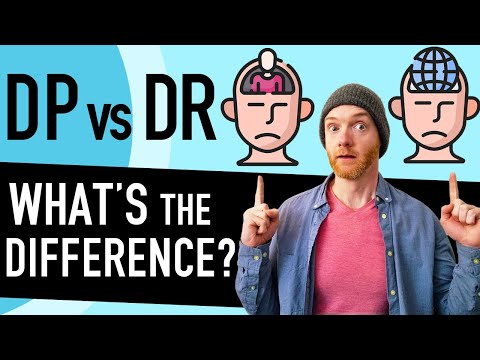
Now hold on—often people mix up **derealization** and **depersonalization**. While both involve feelings of detachment from reality, derealization relates more to feeling disconnected from the world around you—like everything is surreal or foggy. If depersonalization is about losing touch with *you*, derealization is about losing touch with *the world*.
The Experience
Imagine waking up one day and everything feels “off.” You go brush your teeth; it’s like you’re watching someone else do it. Your thoughts float away before you can grab them, and emotions seem less vibrant — understatement for sure! These experiences may last for minutes or even longer.
Some folks report episodes happening more frequently when they’re stressed out or after traumatic events—like suddenly feeling disconnected during an important meeting at work when anxiety creeps in.
Coping Strategies
If this sounds familiar to you or someone close by, there are ways to manage those feelings better:
- Acknowledge: Just recognizing what’s happening can be a first step toward grounding yourself.
- Breathe: Deep breathing exercises can anchor you back into your body.
- Tactile Reminders:: Holding something familiar—a favorite pen or a soft cloth—can help bring awareness back.
Talking to someone who gets it—whether that’s friends or trained professionals—can really help too! Therapy options range from cognitive-behavioral therapy (CBT) to mindfulness practices that ground you back into the moment.
In short: Depersonalization isn’t just “feeling weird” for a few minutes; it’s an actual psychological experience that needs understanding and compassion. If you’re going through this—or know someone who is—good support makes all the difference!
You know, the first time I really understood depersonalization, it kind of hit me like a ton of bricks. I was talking to a friend who described feeling completely disconnected from themselves during a panic attack. They said it was as if they were watching their life through a foggy window. That concept—feeling detached from your own thoughts, emotions, or body—is pretty intense. It’s like living in your own mind but feeling like a stranger.
So, let’s break this down. Depersonalization is often categorized as a dissociative disorder, which basically means you’re experiencing that disconnect from reality in some way. Imagine you’re super stressed or overwhelmed, and your brain flips a switch; suddenly everything feels unreal. You might feel like you’re floating above yourself or that the world around you is just a dream—a weird dream where nothing feels exactly right.
It can be triggered by trauma or extreme stress or sometimes even happens out of the blue without any clear reason. That’s what makes it so unsettling! Picture someone driving down the road and suddenly forgetting how they got there—it’s scary because you’re not controlling things anymore; it feels like you’re just along for the ride.
For some people, this experience is temporary and fades away as stress levels drop. But for others, depersonalization can stick around for weeks or months. That can lead to anxiety about when it will happen next—a bit of a vicious cycle there.
When I think about what my friend went through, I see how isolating this can be. It’s tough to explain to others when you’re feeling this way—like trying to describe color to someone who’s never seen it before. One moment you’re fine, then suddenly you’re living in this surreal state where nothing feels solid anymore.
Therapy can really help those dealing with depersonalization—not just talking about feelings but also grounding techniques that bring them back into their bodies and the present moment. It’s all about reconnecting with yourself and finding ways to manage what’s happening up in your head.
So yeah, depersonalization might sound complex, but at its core? It’s all about that intense disconnection from oneself and reality—something that many people face silently every day.