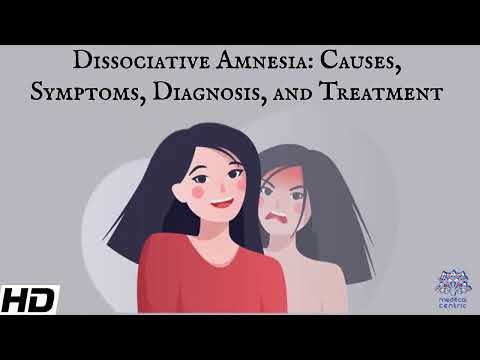
You know those moments when you forget something important? Like, you walk into a room and totally blank on why you went in there?
Well, dissociative amnesia is a little more intense than that. It’s not just forgetting where you left your keys. It’s about losing memories—sometimes big chunks of your life—due to stress or trauma.
Imagine going through something so overwhelming that your brain kinda hits the pause button. Yeah, it sounds wild, but it happens to people for real.
So, let’s chat about what this means for mental health and how it affects lives. Buckle up!
Understanding Dissociative Amnesia: What It Means in Psychology and Its Impact on Mental Health
Dissociative amnesia can feel pretty confusing, both for people who experience it and those around them. Basically, it’s a condition where someone loses their memory—usually for specific events or periods in their life. But it’s not like forgetting where you left your keys; it dives way deeper than that.
The key feature of dissociative amnesia is the inability to recall important personal information. This often relates to traumatic or stressful events. For example, let’s say someone went through a really tough time, like experiencing an accident or a violent event. Later on, they might find they just can’t remember any details about that specific incident. It’s like their brain hits the “delete” button.
Now, there are different types of dissociative amnesia. One way to look at it is:
- Localized Amnesia: Forgetting events within a particular time frame.
- Selective Amnesia: Remembering some but not all events during that time.
- Generalized Amnesia: Losing memory about one’s entire life history.
- Systematized Amnesia: Forgetting specific categories of information, like family memories.
It’s interesting how our minds try to protect us from intense emotional pain. That’s often what happens here—you know? Your mind takes away those memories because they’re just too hard to handle. It makes sense in a way; we all have our coping mechanisms.
Imagine this: You meet someone who survived a traumatic event but can’t talk about it because they don’t even remember what happened. Frustrating, right? They might be walking around feeling lost and disoriented not knowing why certain things trigger anxiety or fear in them.
In terms of mental health impact, dissociative amnesia can lead to feelings of confusion or distress. People might feel disconnected from themselves or their surroundings—like they’re watching their life from the sidelines instead of really living it. This can spur issues with anxiety and depression since those feelings are tangled up with the unresolved trauma.
And hey, treatment is possible! Therapy often plays a crucial role here—especially approaches focused on trauma recovery like Eye Movement Desensitization and Reprocessing (EMDR) or Cognitive Behavioral Therapy (CBT). These methods help individuals process those painful memories over time without feeling overwhelmed by them.
But here’s the thing: understanding dissociative amnesia isn’t just about knowing facts; it ultimately connects to compassion—both for oneself and others suffering from similar experiences. If you encounter someone dealing with this condition, just know that their journey is complex and layered.
Understanding Amnesia in Psychiatry: Causes, Types, and Treatment Options
Amnesia can be one confusing topic, right? It’s not just forgetting where you left your keys. Amnesia, especially in psychiatry, can really shake up someone’s life and understanding it helps us figure out how to support those affected. Let’s break this down into manageable pieces.
First, what is amnesia? Well, it’s basically a loss of memory. But there are different flavors of it. In the context of mental health, we often talk about **dissociative amnesia**. This is when someone can’t recall important personal information typically tied to traumatic or stressful experiences. It’s sort of like your mind saying: “Nope! I’m not dealing with that right now!”
Now let’s look at some causes. Dissociative amnesia usually occurs because of trauma or extreme stress. Maybe you’re a soldier who faced something horrific during deployment or a survivor of abuse—these experiences can trigger memory loss as a protective mechanism. Your brain might say, “Let’s just block out that part of your life for now.”
The causes of amnesia aren’t just emotional pain though; they can also include physical events like a traumatic brain injury or substance abuse. Imagine being in an accident and hitting your head hard—it could lead to memory gaps too.
Moving on to the types of amnesia:
- Dissociative Fugue: This is when someone not only forgets their past but might also wander off and start a new life elsewhere without remembering who they are.
- Localized Amnesia: This type involves losing memories surrounding a specific event—like completely forgetting the details of a car crash.
- Generalized Amnesia: Here’s where things get intense—this involves losing all memories about oneself.
Treatment options vary based on the individual and situation but often include therapy as a starting point. Cognitive Behavioral Therapy (CBT) can be particularly helpful since it encourages you to process trauma in more manageable bits while working through feelings.
Also, some people find **psychotherapy** beneficial which digs deeper into the emotional aspects behind those lost memories. The idea here is to create a safe space for exploration and healing rather than just focusing on retrieving forgotten memories.
Sometimes medications can help too, especially if there are co-existing issues like anxiety or depression—think antidepressants or anti-anxiety meds—but these aren’t specifically targeting the amnesia itself.
So what does this all mean? It means that if you know someone going through this tough time, compassion goes a long way. Remember that their experience is real and complex; healing can take time.
A friend once shared her struggle with dissociative amnesia after a tragic event in her life; she felt isolated because people didn’t quite understand what she was going through. Being patient and supportive helped her open up over time about her experiences and seek help from professionals.
In short, understanding amnesia in psychiatry isn’t just academic—it’s essential for offering the right support to those who need it most. Whether it stems from trauma or physical injury, every story matters in this journey towards healing.
The Best Therapies for Overcoming Dissociative Amnesia: Techniques and Approaches
Dissociative amnesia can be a real challenge. Basically, it’s when someone can’t remember important personal information, often tied to trauma or stress. So, if you’re dealing with this, understanding what therapies can help is super important.
Cognitive Behavioral Therapy (CBT) is one of the most common approaches. In CBT, the therapist works with you to identify negative thought patterns and replace them with more positive ones. Imagine you’re feeling lost about something that happened years ago. A therapist might help you process those memories in a safe way and challenge any distorted beliefs you’ve formed around them.
Trauma-Focused Therapy is another effective option. This therapy zooms in on traumatic experiences and helps you process them bit by bit. It often includes techniques like narrative therapy, where you tell your story—so to speak—and then work on understanding it better in a supportive environment. This can be really powerful because you’re not just sidelining those memories; you’re giving yourself space to heal.
Then there’s EMDR, or Eye Movement Desensitization and Reprocessing. Sounds fancy, huh? But it’s all about helping your brain reprocess traumatic memories that might be causing your dissociation. During EMDR sessions, you’d follow the therapist’s fingers as they move back and forth while recalling distressing events. It’s like helping your brain get “unstuck.” Some people find it kind of incredible how effective this method can be!
Don’t forget about mindfulness-based therapies. These approaches focus on grounding yourself in the present moment which can help reduce feelings of dissociation when they creep up on you again! Techniques might include meditation or breathing exercises to keep you centered.
Lastly, there are some holistic approaches—like art therapy or music therapy—that may not sound traditional but could really resonate with someone who struggles with verbal communication about their trauma. Expressing feelings through creativity can unlock memories and emotions more gently.
Support groups can also play a role! Sharing experiences with others who «get it» might lighten the load even just a little bit.
So yeah, navigating through dissociative amnesia isn’t easy at all. But the good news? There are plenty of effective therapies out there tailored for various needs and experiences! With time and patience, healing is definitely possible!
Dissociative amnesia can feel like a tricky concept, right? It’s one of those things where you might think, “Wait, how does forgetting something completely even happen?” So, let’s break it down a bit.
Imagine you’re in a car accident. Your brain is overwhelmed by the shock of it. Later on, you might find that you can’t recall certain details—the exact moments leading up to the crash or how you felt afterward. That’s dissociative amnesia in action. It’s like your mind is saying, “Nope! Too much to handle. Let’s tuck that away for a while.”
You know, I had a friend who went through something similar after experiencing a traumatic event. She was always bubbly and full of energy, but suddenly after this incident? It was like someone shut off the lights inside her head. She couldn’t remember anything about that day; it was just blank. It tugged at my heartstrings seeing her struggle with something she didn’t even know she had forgotten.
In the mental health context, this type of amnesia typically happens as a defense mechanism when your brain tries to cope with distressing memories or too much emotional pain. So, it can be pretty normal for someone facing trauma—an attempt to protect oneself from feelings that are just too heavy to carry.
But what’s important is recognizing that while this might seem like an escape route, it can also lead to bigger issues down the line if those memories stay buried for too long. Therapy could help bring some of that back into focus—a way to gently face what’s been tucked away and start healing.
Dissociative amnesia isn’t just about forgetting; it’s about your mind trying its best to deal with life’s ugly curves while still keeping you safe-ish. So if you or someone you know is navigating these waters, know there’s help out there and it’s totally okay to seek support when things get tough!