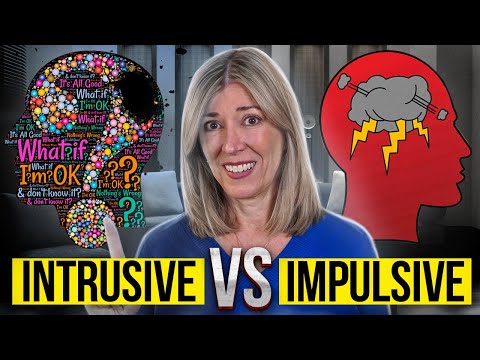
You know those moments when your brain just goes off the rails? Like, you’re sitting there, and suddenly it throws a wild idea at you, and you’re like, “Whoa, where did that come from?”
That’s impulsive thinking. It can feel pretty strange. Sometimes it’s just a flicker—like wanting to yell out in a quiet room. Other times, it might lead you down a rabbit hole of choices you didn’t think twice about.
And hey, we all deal with this stuff in different ways. It’s part of being human! But understanding what these thoughts really are? That can help you figure out how to handle them better. Let’s dig into this together!
Understanding Impulsive vs. Intrusive Thoughts: Key Examples and Insights
Impulsive and intrusive thoughts are two concepts that often get tangled up, but they’re really different in how they show up in our minds. Let’s break this down a bit so it makes sense.
Impulsive thoughts are those sudden urges or ideas that pop into your head without much, if any, forethought. Think about it like this: you’re at a party and someone suggests a game of truth or dare. You suddenly feel this wild urge to say something outrageous, like revealing a secret you’ve never told anyone. It’s that split-second decision without thinking about the consequences. Sometimes these thoughts lead to fun experiences, but they can also create problems if they’re risky.
On the flip side, we have intrusive thoughts. These are unwanted ideas or images that keep creeping into your mind, often causing anxiety or distress. You might be sitting quietly at home when suddenly a thought drops in: “What if I accidentally hurt someone I love?” These thoughts can be pretty overwhelming and might stick around longer than you’d like. They feel less like choices and more like intrusions from some dark corner of your mind.
Now, let’s dive into some key differences between these two:
- Origin: Impulsive thoughts usually come from a desire to do something thrilling or different on the spot. Intrusive thoughts often come from underlying anxiety or fear.
- Control: With impulsive thoughts, there can be some measure of control; maybe you decide whether to act on them or not. Intrusive thoughts feel invasive, as though you don’t have much say in what pops up.
- Consequence: Acting on impulsive thoughts can lead to either fun memories or regrettable decisions. Intrusive thoughts typically cause distress and worry rather than immediate action.
You know what’s interesting? Many people experience both types of thinking at different times in their lives. For instance, let’s say you’re driving home when an impulsive thought drifts through: “I should stop for ice cream!” It sounds harmless and even sweet! But then you get home and out of nowhere comes an intrusive thought about how you’ve forgotten something important at work. One feels free-spirited while the other feels heavy with pressure.
Dealing with impulsive behavior can sometimes feel thrilling—it’s all those spontaneous things we love to talk about later with friends! But managing intrusive thoughts takes a bit more work because they’re often associated with anxiety disorders like OCD (Obsessive-Compulsive Disorder). Here’s where therapy comes in handy—techniques such as cognitive-behavioral therapy (CBT) really help people manage these pesky intrusions effectively.
Understanding these differences is key for yourself or if you’re trying to help someone else out who might be struggling with either impulsivity or unwanted intrusive images. It helps us navigate our mind’s tricky pathways better and encourages us reach out for support when we need it.
So really it’s about knowing where those thoughts come from and how they affect us—because hey, our minds can be wild places sometimes!
Understanding Impulsive Thoughts: Examples and Insights for Better Mental Health
Impulsive thoughts can sometimes feel like a wild rollercoaster in your mind. Seriously, they’re those spontaneous ideas or urges that pop up out of nowhere and can lead to actions you might regret later. It’s like you’re just sitting there, and suddenly you’re thinking about diving into a spontaneous road trip or perhaps, maybe, saying something mean to someone without really meaning it.
So, what’s the deal with impulsive thoughts? Basically, in psychology, these thoughts are often linked to emotional regulation. When we’re stressed or overwhelmed, our brains can get a bit jumbled. Instead of pausing and thinking things through, we react on impulse. It’s almost like your brain is trying to keep things exciting or escape boredom but ends up creating chaos instead.
Here are some common examples of impulsive thoughts:
You know that feeling when you’re stuck in traffic and just want to honk at everyone? That’s impulsivity speaking! Sometimes it springs from that little voice inside pushing for instant gratification or relief from frustration.
Now, let’s talk about why understanding these thoughts is important for better mental health. Impulsive thoughts can lead to temporary relief but often create long-term consequences. They might harm relationships or finances; they can even boost anxiety later when you reflect on what happened.
Imagine a time when you acted on an impulsive thought. Maybe it was telling off a friend during an argument. At that moment, it felt good—like releasing pressure from a balloon. But then came the regret afterward when you realized how much it hurt them—or maybe even yourself!
Understanding where these thoughts come from is key. They can arise because of stress, anxiety, boredom, or even just feeling overwhelmed by emotions—it’s sort of like your brain’s emergency signal trying to get attention.
To manage impulsive thoughts better:
It’s all about recognizing those wild thoughts as they bubble up. The more conscious you become of them, the easier it’ll be to respond rather than react.
Look, dealing with impulsivity isn’t always easy—it takes practice! But understanding these thought patterns really helps steer your mental health in the right direction over time. So whenever those spontaneous urges crop up again? Just remember: take a moment—connect with yourself—and decide if it’s worth acting on!
Understanding the Difference Between Intrusive and Impulsive Thoughts: A Guide to Mental Clarity
Understanding the Difference Between Intrusive and Impulsive Thoughts
Alright, let’s get into the nitty-gritty of thoughts that can mess with your mind a little. You’ve probably heard people mention intrusive thoughts and impulsive thoughts. They might sound similar, but they’re actually quite different.
Intrusive thoughts are those pesky ideas that pop into your head without you wanting them there. It could be anything—like suddenly thinking about something really embarrassing from years ago or a random fear, like what would happen if you hurt someone around you, even if you don’t want to. It’s like your brain just decides to throw in a surprise party for anxiety, and you didn’t even RSVP. These thoughts can feel really intense and are often distressing. You know, the kind that makes you question yourself or feel uneasy.
Now, on the flip side, we have impulsive thoughts. These are more like sudden urges or ideas that might tempt you to take action without thinking too much about it first. Let’s say you’re walking past a bakery; an impulsive thought could be “I should totally buy that giant chocolate cake right now!” But here’s the kicker—you might not even be hungry! This type of thought tends to push people toward decisions that can feel exciting but also risky.
So, why should this matter? Knowing the difference can help you manage these experiences better. When intrusive thoughts arise, it’s often beneficial to acknowledge them without acting on them. You’re not alone in feeling overwhelmed by these random tidbits of negativity; tons of folks experience it.
But with impulsive thoughts? Well, sometimes they can lead to thrill-seeking behavior or rash decisions. And while spontaneity can be fun—think road trips and last-minute adventures—it can also lead to trouble if you’re not careful.
Let’s touch on some key points:
- Intrusive Thoughts: Unexpected and often disturbing; they create anxiety.
- Impulsive Thoughts: Urges for immediate action; they may lead to pleasure or regret.
- Acknowledgment is Key: Recognizing intrusive thoughts helps lessen their power over time.
- Add Mindfulness: This practice helps ground you when faced with both types of thoughts.
Sometimes I think back to a friend who would suddenly panic over an old mistake during chill hangouts. He’d get lost in those invasive memories while I was just trying to enjoy pizza! Then there’s my sister; she once bought an expensive jacket on impulse because it was “such a good deal,” but then regretted it later when she realized her budget had gone out the window!
By understanding these differences between intrusive and impulsive thoughts, you can start recognizing what’s going on in your head—a big step toward mental clarity! When those unwanted ideas pop up or when you’re hit with sudden cravings for something wild and reckless, you’ll know what you’re dealing with—and maybe find ways to cope better too!
Impulsive thoughts are like those wild, unfiltered ideas that pop into your head when you least expect them. You know, the ones that make you wanna act before really thinking it through? It’s fascinating because everyone experiences this to some degree. Just think about it: one minute you’re chilling with friends, and suddenly you think about jumping into the pool fully clothed—no warning, just a spark of spontaneity!
In psychology, impulsive thoughts often get tied up with all sorts of mental health issues. Like, for some people, these thoughts can be a symptom of conditions such as ADHD or even anxiety disorders. When my buddy was struggling with anxiety, he’d get these racing thoughts that seemed to come out of nowhere. They’d lead him down a rabbit hole—»What if I fail this test?», «What if no one likes me?»—and before he knew it, he was in full-on panic mode.
The tricky part? Impulsive thoughts are not always bad! Sometimes they push us to try new things or take risks we wouldn’t normally consider. Ever had a sudden urge to call an old friend out of the blue? Maybe it turned out to be a great reconnection! But then there are those other times when acting on an impulsive thought can lead to regret or even harm—like yelling at someone in anger or making a rash decision at work.
Understanding why we have these impulsive moments—those little brain fireworks—can be super helpful. They can signal something deeper going on in our minds or simply reflect stress and external pressure. It’s like your mind’s way of saying, “Hey! Pay attention!” The key is figuring out how to manage those thoughts so they don’t control your actions.
If you’re grappling with impulsive thoughts that feel overwhelming or disruptive, don’t hesitate to reach out for support. Sometimes talking it through or learning healthy coping strategies can make a world of difference! And remember: it’s perfectly okay to have these ups and downs; they’re just part of being human!